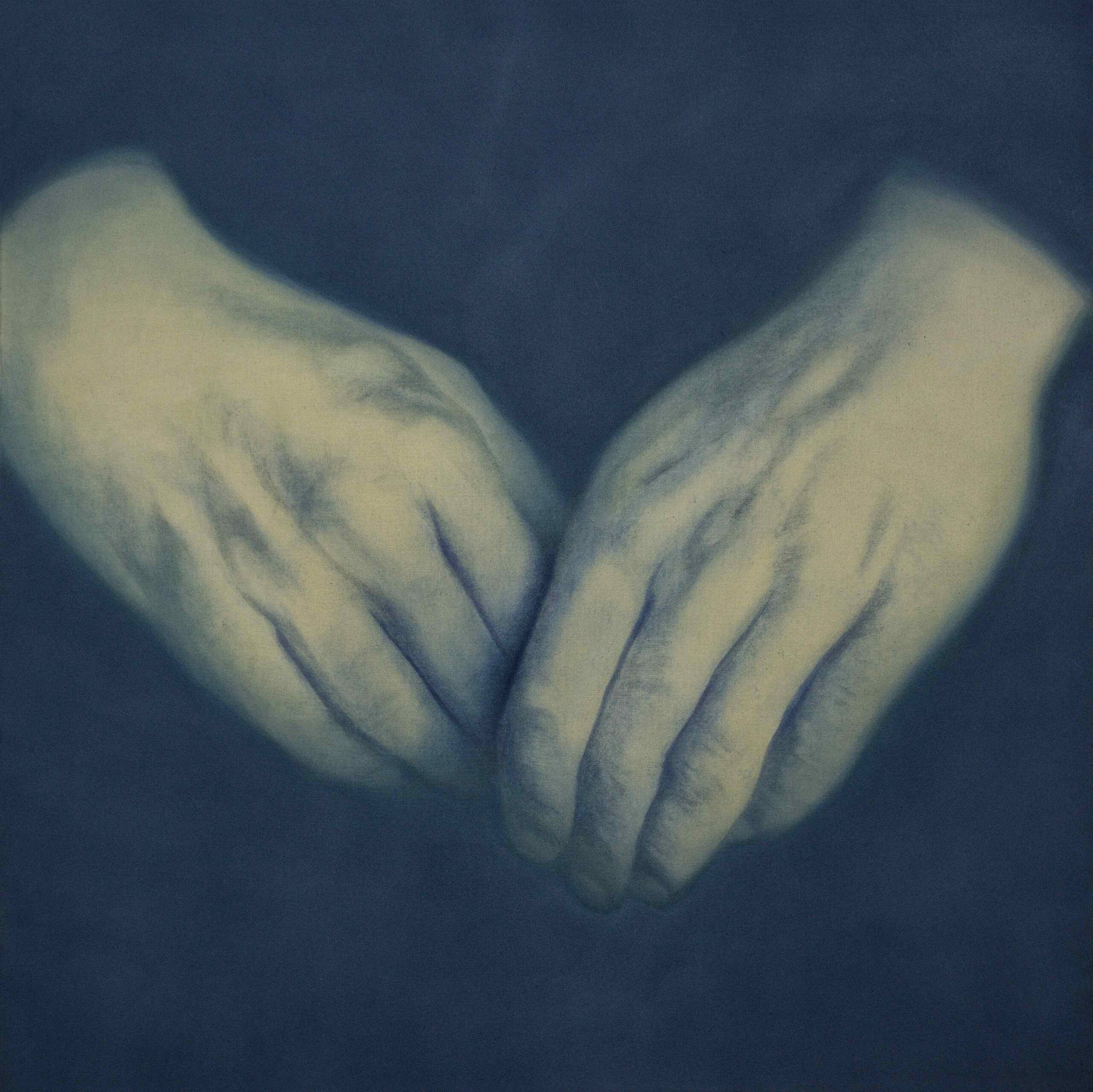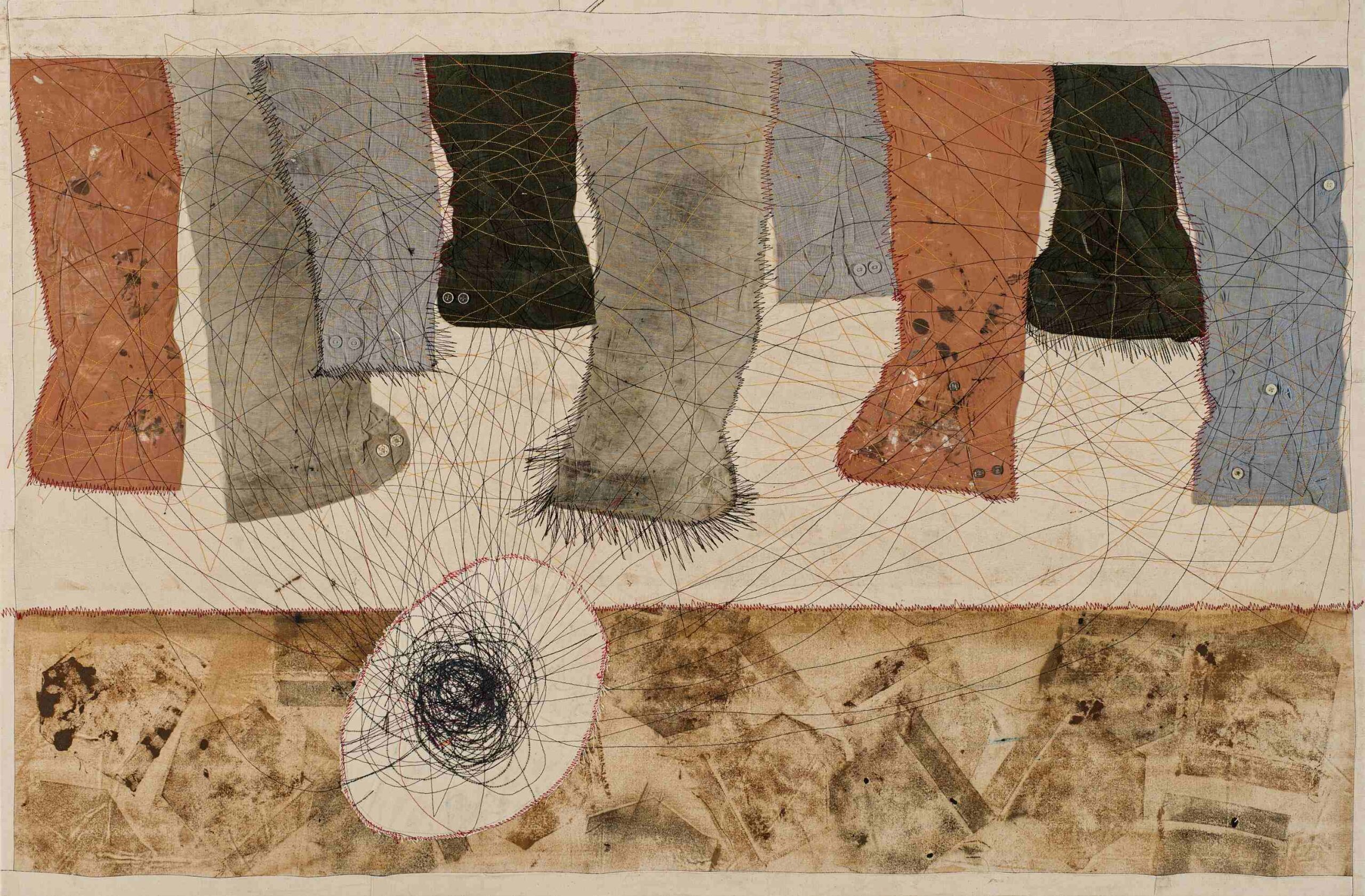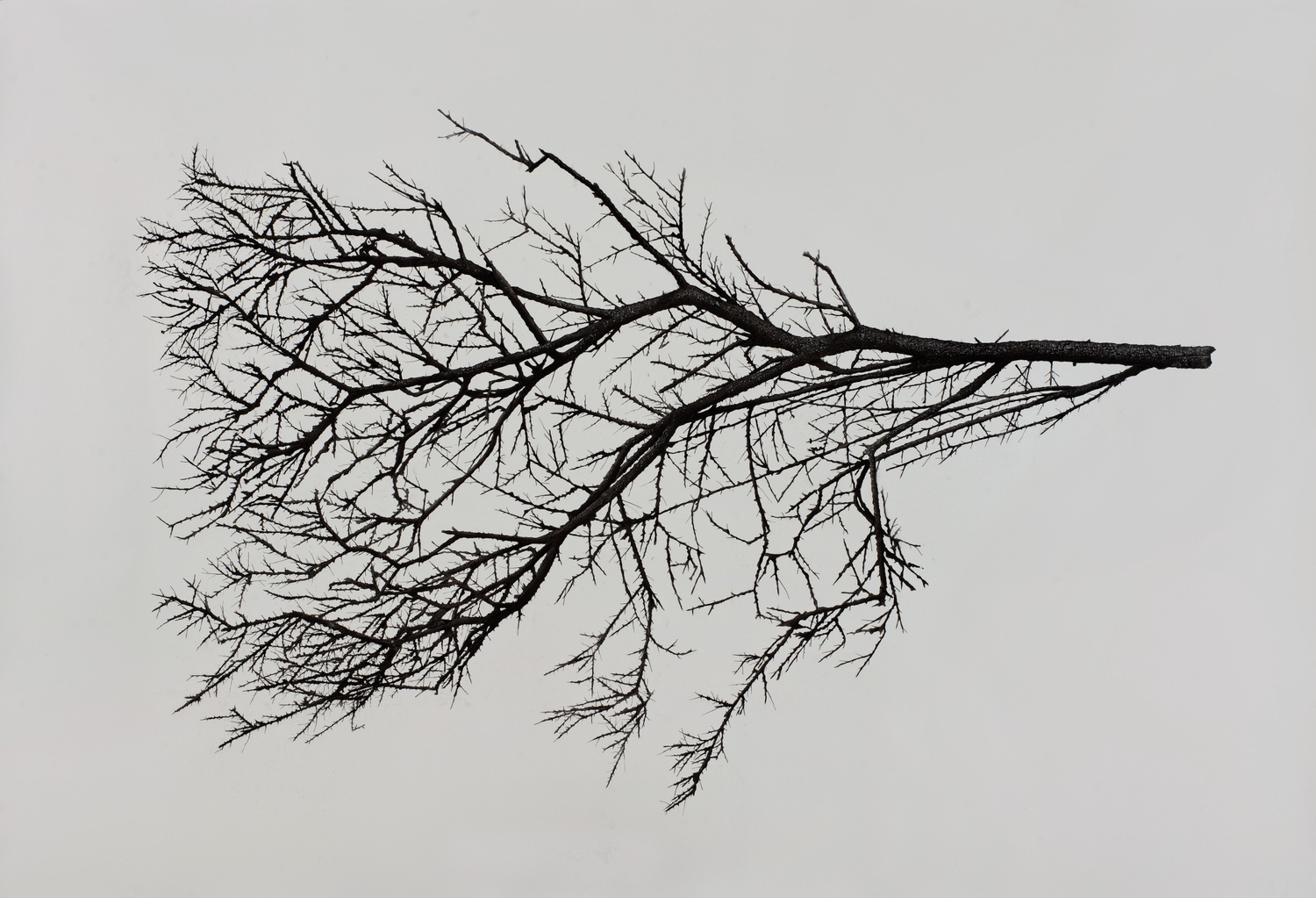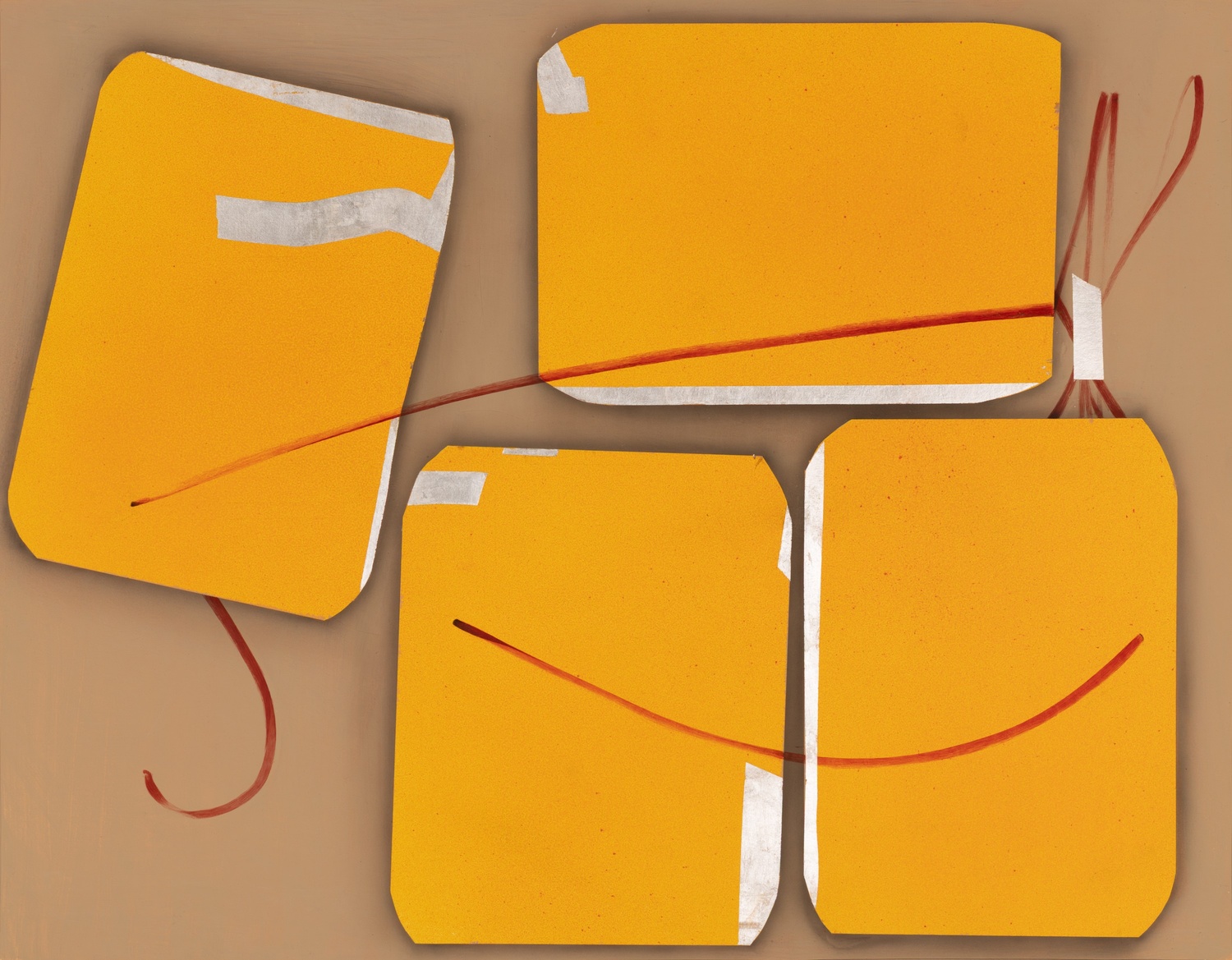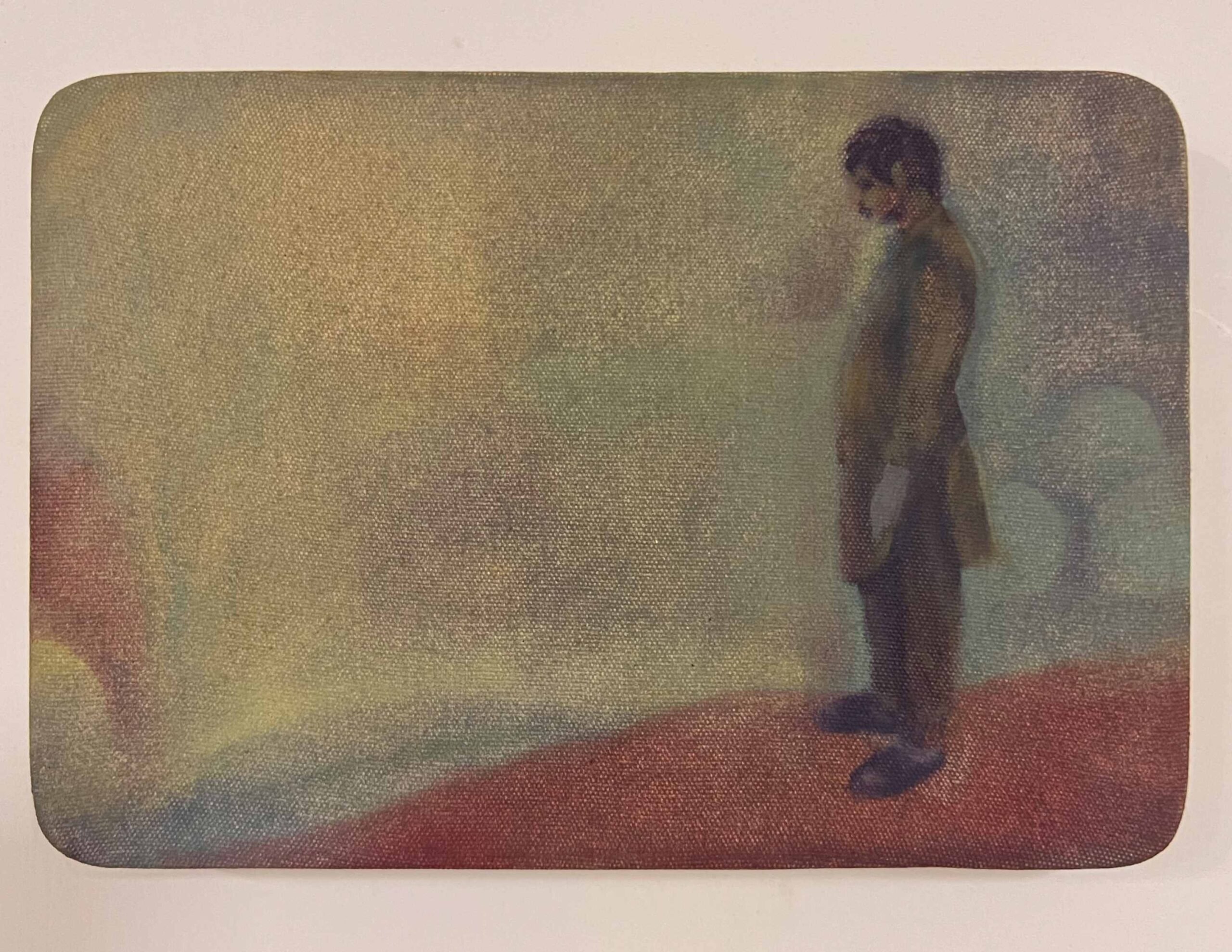
Suleman Faisal’s visual artistry offers a compelling and nuanced critique of masculinity and power as they manifest and unfold within domestic spaces, particularly within the cultural context of Lahore and broader South Asian and Punjabi society. His oeuvre is not merely an exploration of personal history; rather, it is a profound interrogation of deeply entrenched social codes that govern gender, emotion, and authority in a region where patriarchal norms profoundly shape daily life. At the core of the artworks exhibited in his solo show Exposed lies an examination of control as a mutable force, one which fluctuates between dominance and vulnerability, and builds with aggression and guilt. This duality resonates strongly within the South Asian cultural framework, where masculinity is often rigidly associated with strength, stoicism, and emotional suppression. In many Punjabi households, expression of feelings, particularly those that might reveal weakness or tenderness, is frequently silenced or stigmatized, which, in contrast to the works displayed, subverts this falsely venerated silence, portraying men not as paragons of heroic masculinity but as stratified and manifold individuals grappling secretly in fear of exposing their inner frailty. These men inhabit private, intimate spaces, engaged in mundane acts laden with symbolic weight, suggesting that everyday life functions as a stage for ongoing negotiations of power and identity.
Faisal’s figures represented as awkward, fragile, self-aware but disrupted from traditional heroic or valorized masculinities. Their postures vacillate between concealment and exposure, embodying the tension between societal constraints and implicit aspirations. The approach resonates as much with the cultural specificity of local domesticity as with universal themes of virile frailty. The depiction of intimate acts traditionally coded as feminine or domestic forms a subtle but striking critique of gender norms with the inclusion of sewing machines and thimbles as recurring motifs powerfully symbolizing the attempt to reign in and constrain femininity, while simultaneously exposing the toxicity embedded in patriarchal power structures.
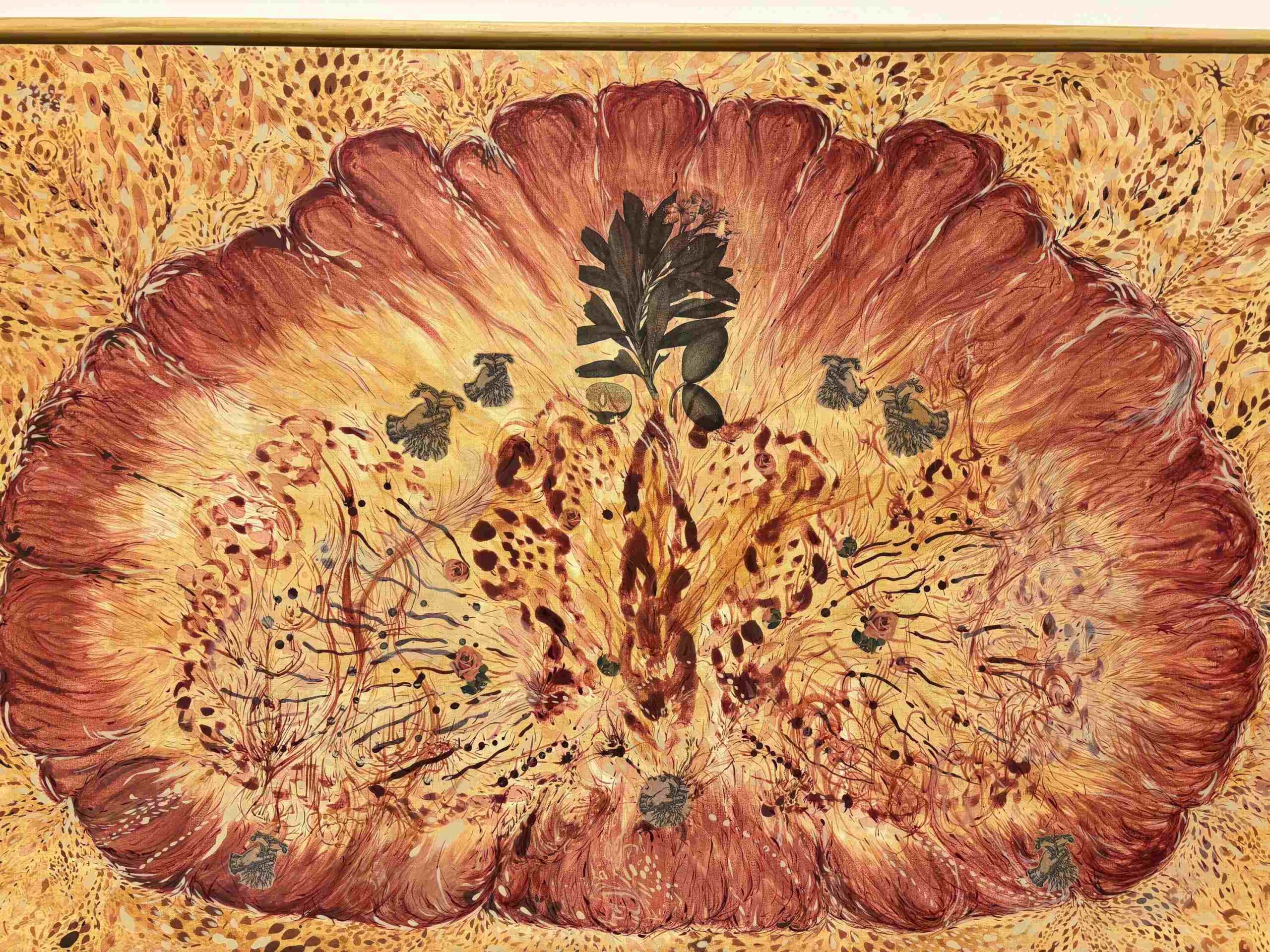
These material and symbolic choices gain depth from Suleman’s practice in toy-making and plastic manufacturing industries, emblematic of mass production, artificiality, and synthetic surfaces. This informs his deliberate use of materials that appear organic and lively yet reveal themselves as synthetic, mirroring the performative nature of masculinity as a constructed exterior masking of inner insecurities and contradictions. The tension between natural and artificial aligns with the artist’s thematic concern with the facade of strength and the internal emotional landscapes that societal norms compel men to hide.
Moreover, the exploration of predator-prey dynamics through the imagery of the leopard and deer adds a layered metaphorical dimension to his critique which operates allegorically to convey the fluidity of masculine identity as both powerful aggressor and vulnerable victim, a duality seldom acknowledged in mainstream depictions, destabilizes the monolithic perception of male prowess and the reflection on the intertwined nature of dominance and fragility. His work also foregrounds the latent ferocity embedded in routine actions appended to labour, revealing how capitalism subtly permeates socially acceptable practices which integrate banality with undercurrents of control and micro-violence within the domestic sphere, particularly under patriarchal regimes.
The contemporary and unpretentious artistic language of Suleman confronts the systemic patriarchy pervasive in South Asian households, interrogating the objectification of the male body and the cultural and luxurious scripts of masculinity. Through poetic yet critical visual narratives, his work calls for a radical rethinking of strength, redefining it as the capacity to embrace vulnerability rather than suppress it.