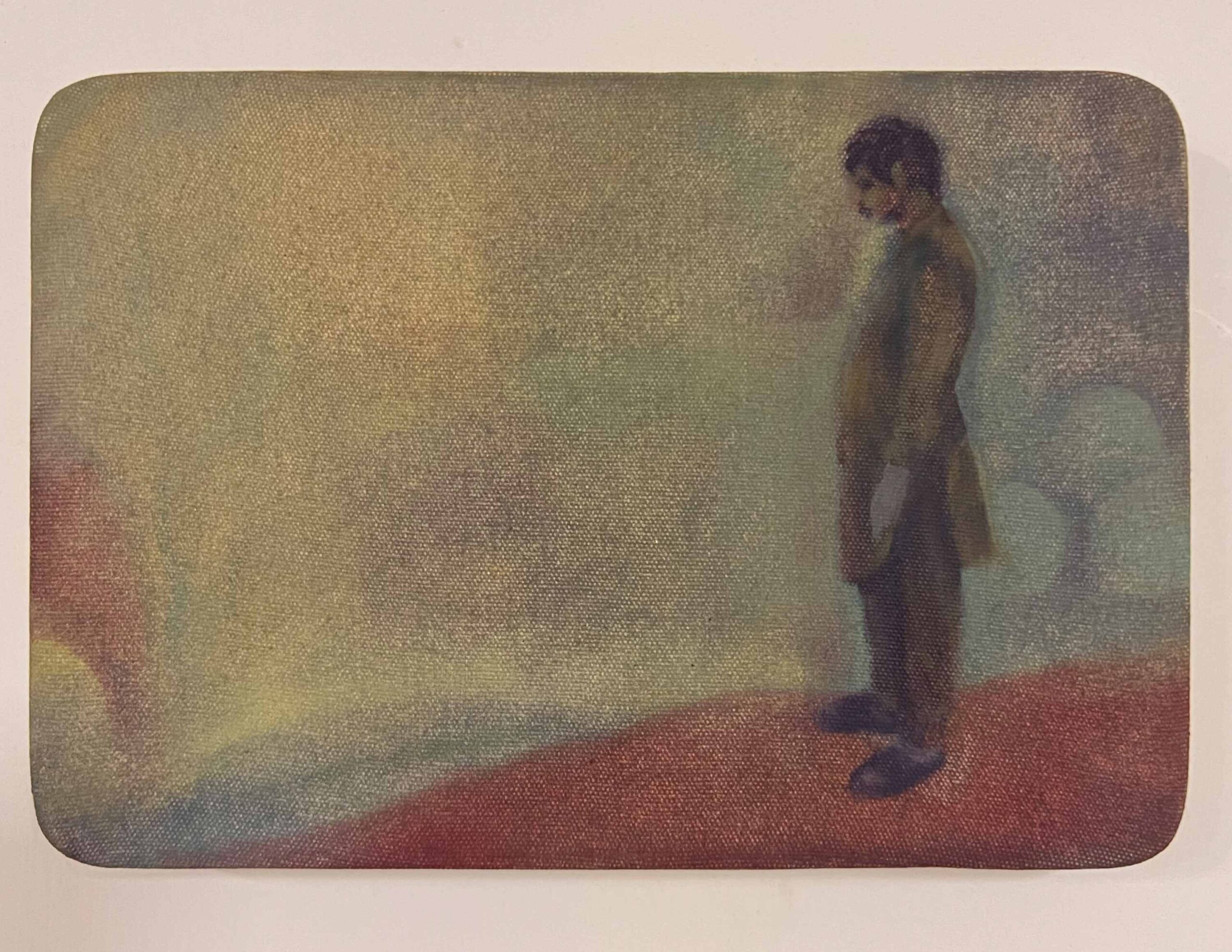
I have been following Hammad Gillani’s practice since his student days at the National College of Arts. Trained in miniature painting, his work has since evolved into a more liberated language of mark-making, expanding beyond traditional boundaries of medium and form. Belonging to the Orakzai tribe in northern Pakistan, Gillani’s practice is deeply rooted in his lived experiences shaped by tradition, conflict, and the chaos of his surroundings. His work carries an emotional and psychological weight that reflects both personal and collective histories.
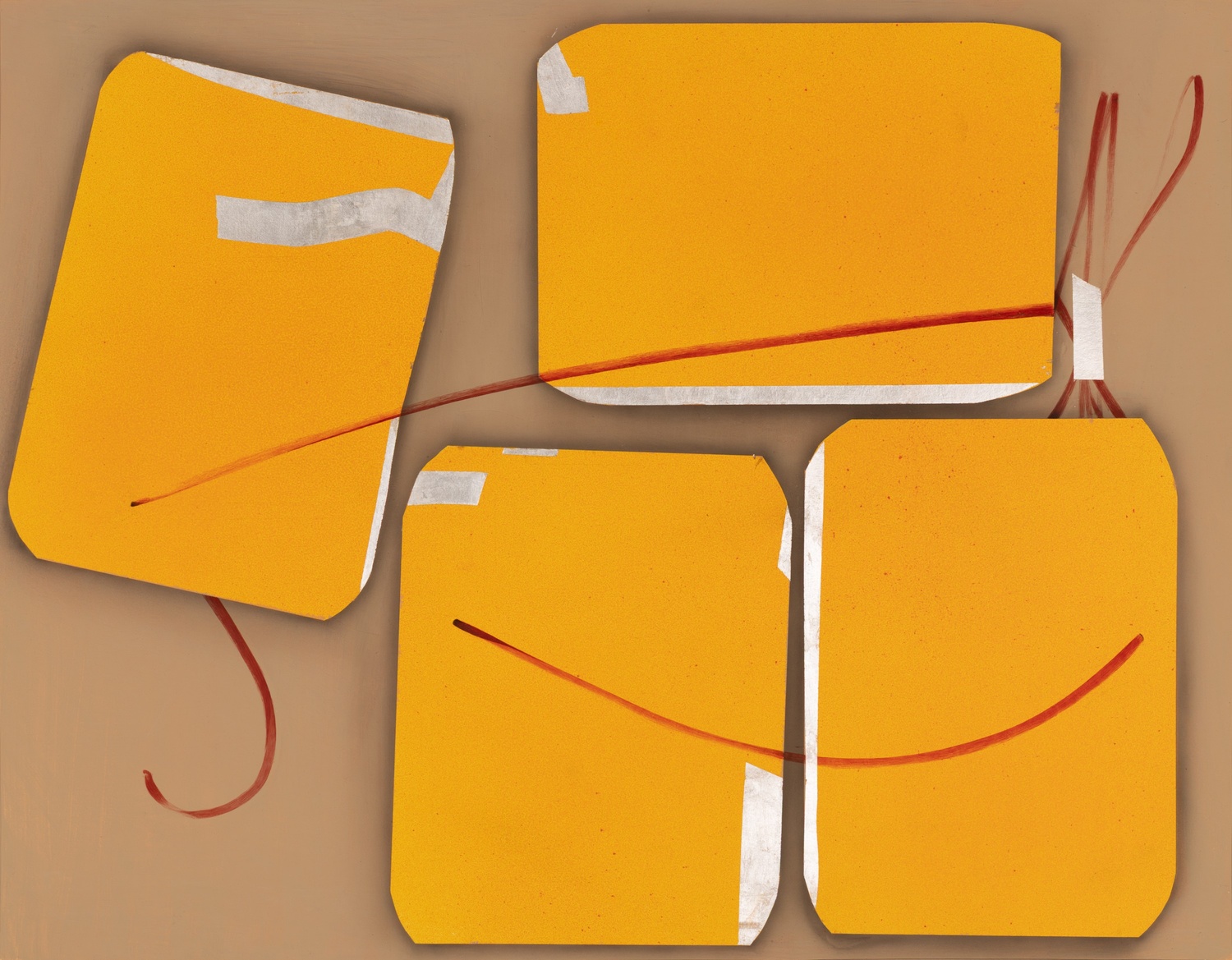
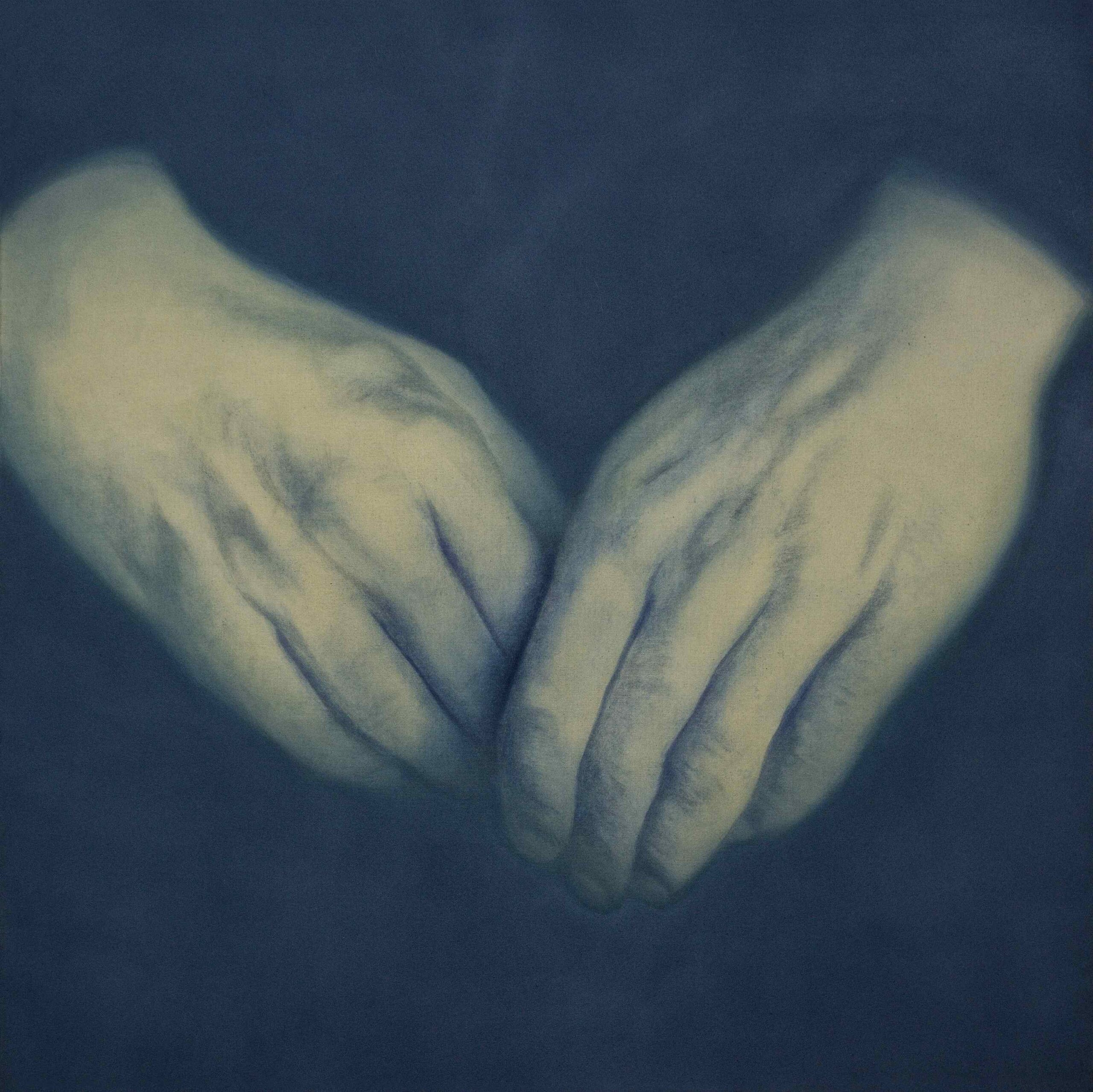
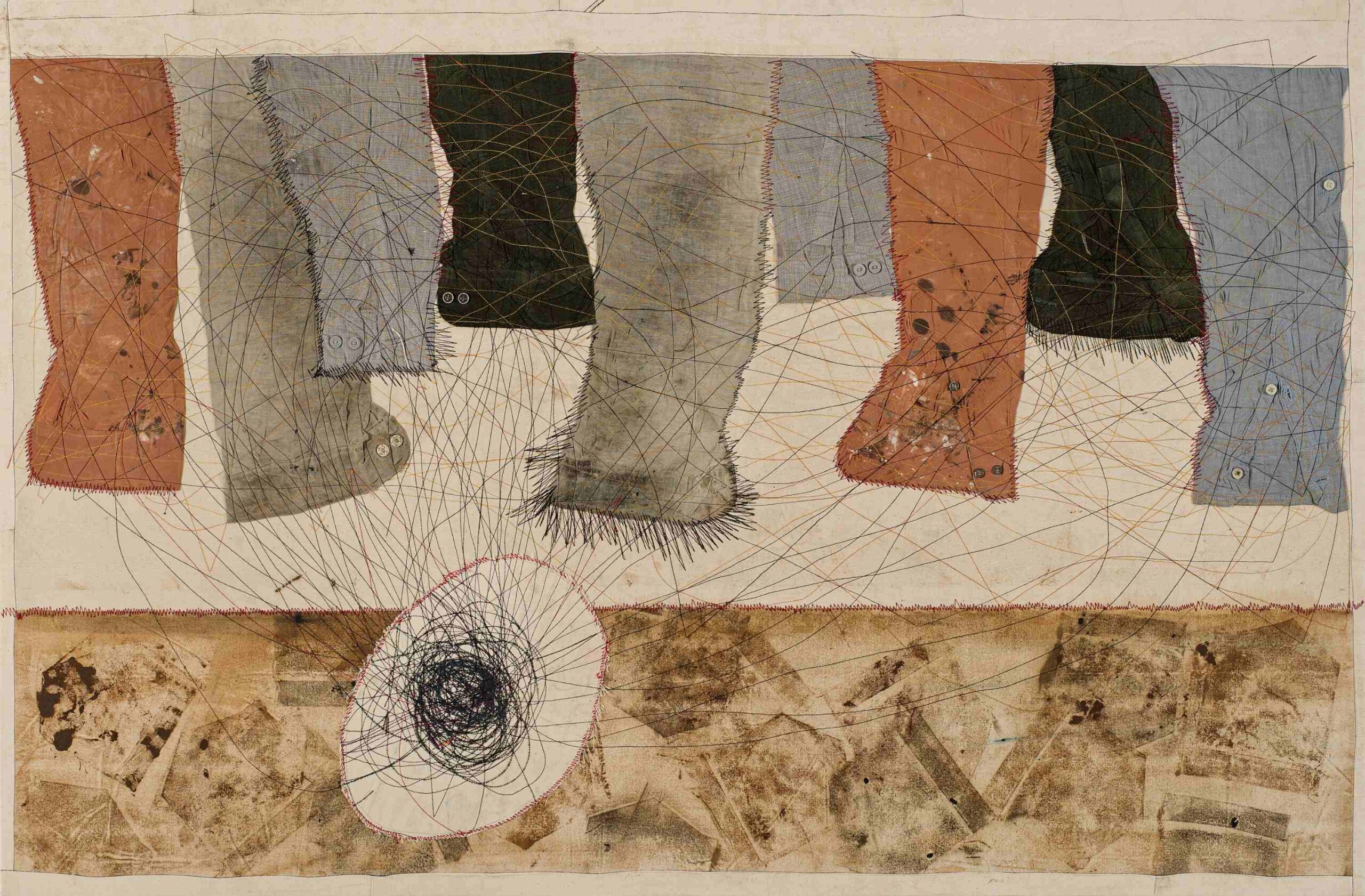
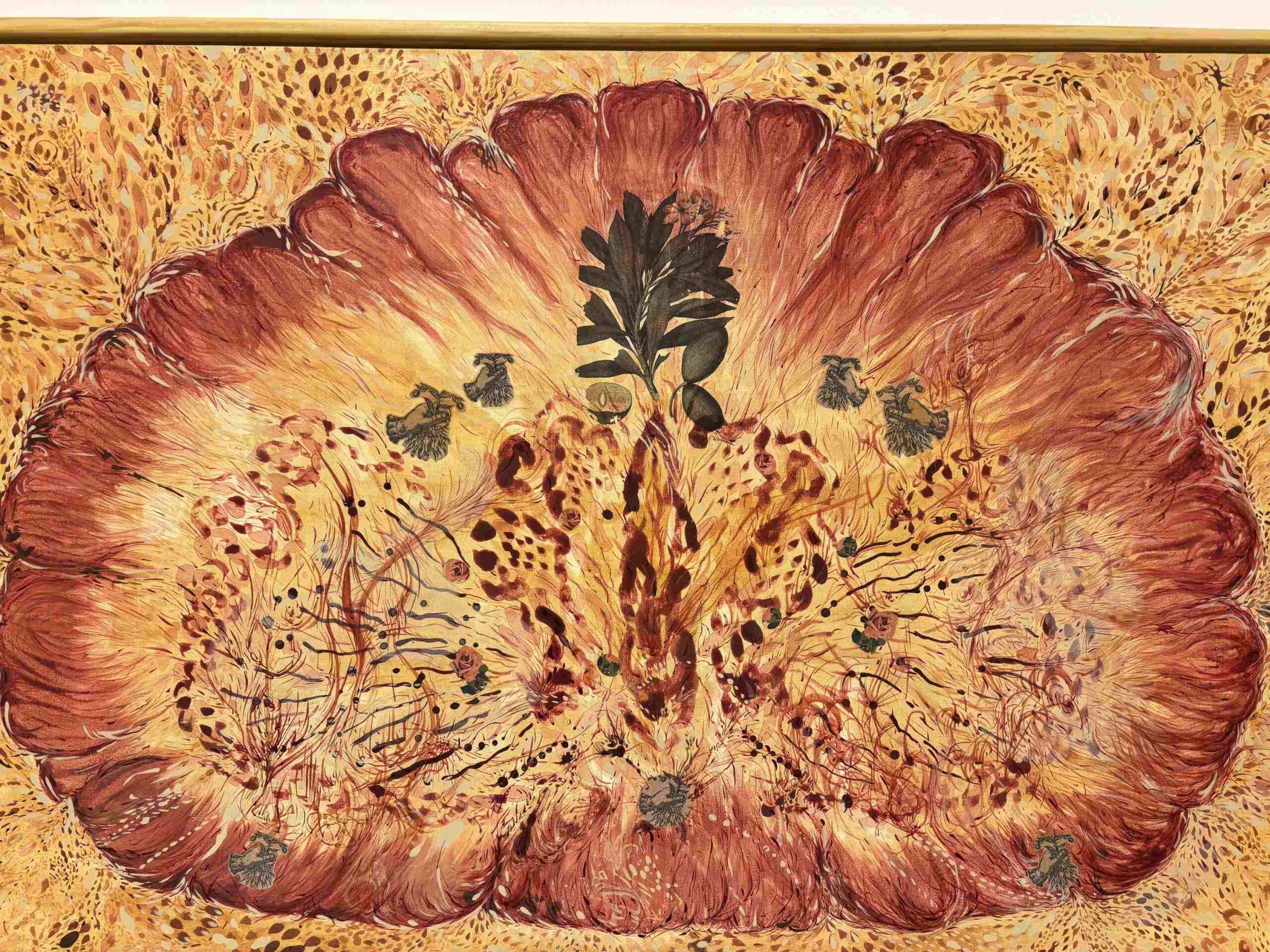
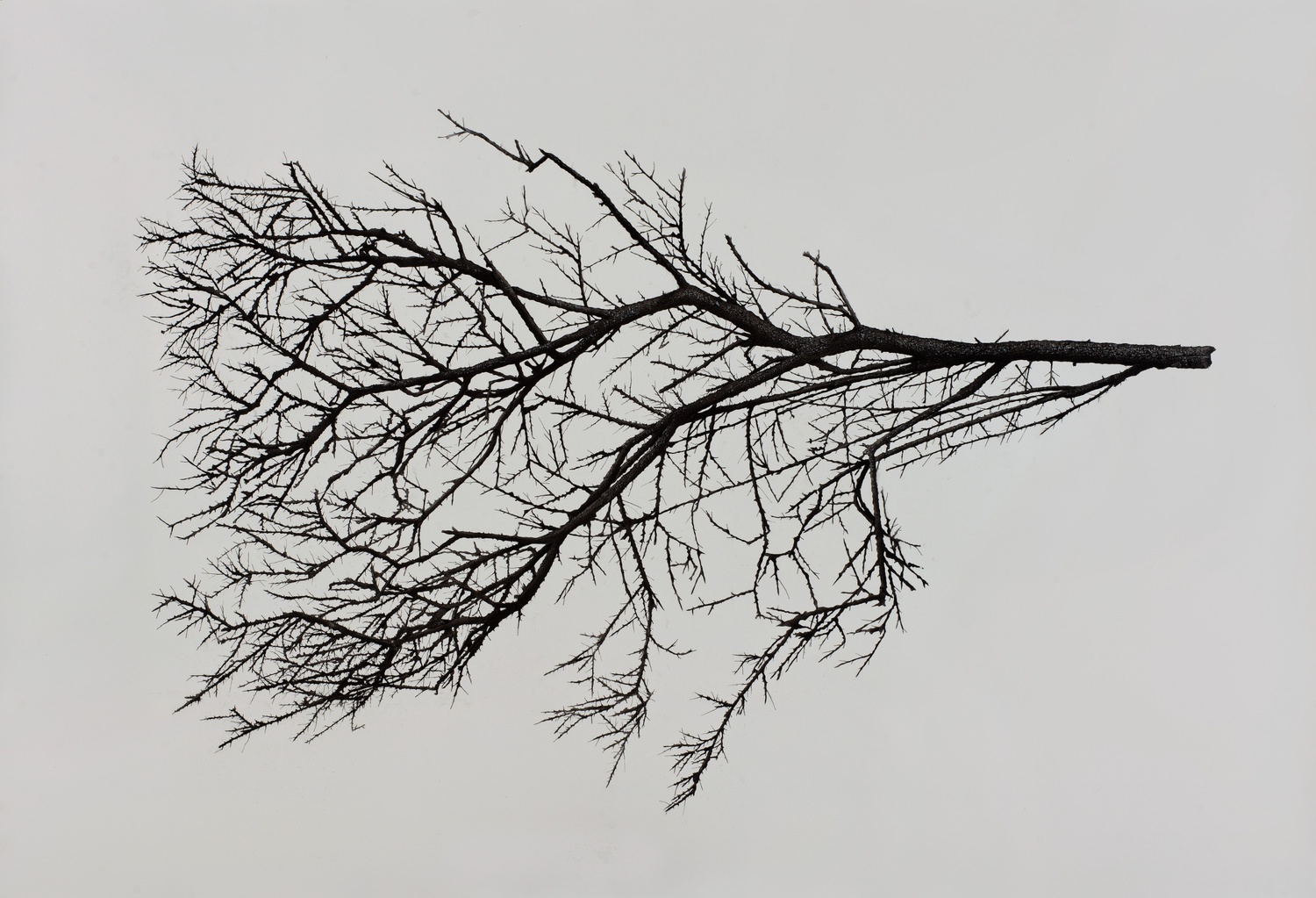
In this new series, War and Peace, Gillani presents works on paper, large-scale canvases, and metal sculptures. He explores the duality of existence where violence and peace coexist like two sides of the same mirror.
Through imagery of guns and human presence, he creates marks that appear childlike innocent, free, and almost playful. Yet, upon closer viewing, these marks reveal themselves as meticulously rendered, built stroke by stroke with great precision. The tension between subject and execution becomes a powerful artistic statement: harsh realities depicted with disarming softness.
His landscapes initially appear serene lush, green, and blooming with life. But gradually, the illusion shifts. These forms begin to read not as flowers, but as stains echoing traces of blood. Beauty transforms into unease.
Similarly, in his works on paper, familiar objects such as blue drums and yellow containers symbols of everyday domestic life take on a more ominous presence. These ordinary forms, often associated with storage and sustenance, become loaded with meanings of threat and violence, reflecting how the boundaries between daily life and conflict have blurred. Gillani’s work invites us to look again to question what we see, and to confront the fragile line between peace and war