“We’re all stuck in our bodies, meaning stuck inside a grid of conflicting ideas about what those bodies mean”
Olivia Laing, Everbody: A Book About Freedom
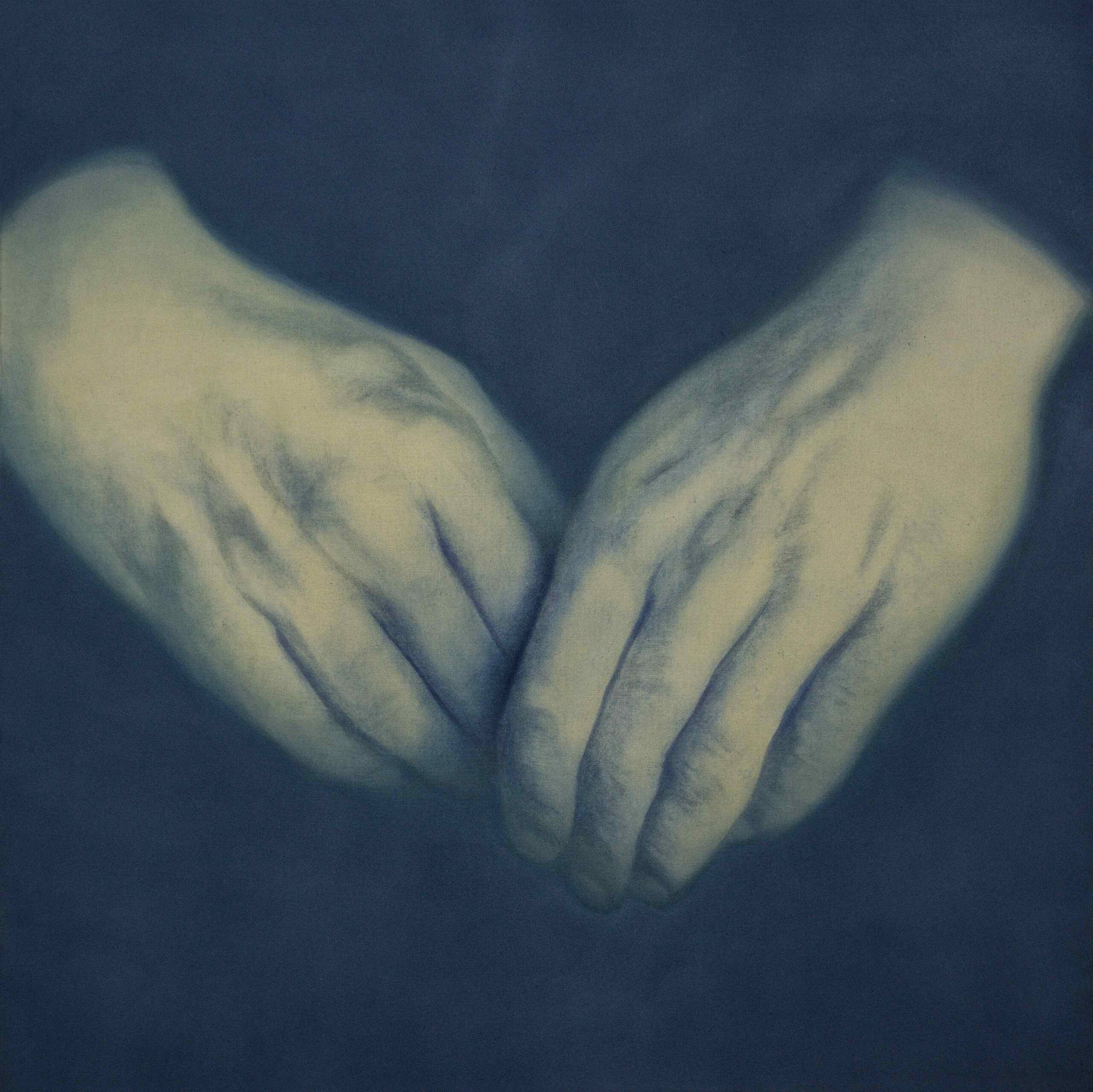
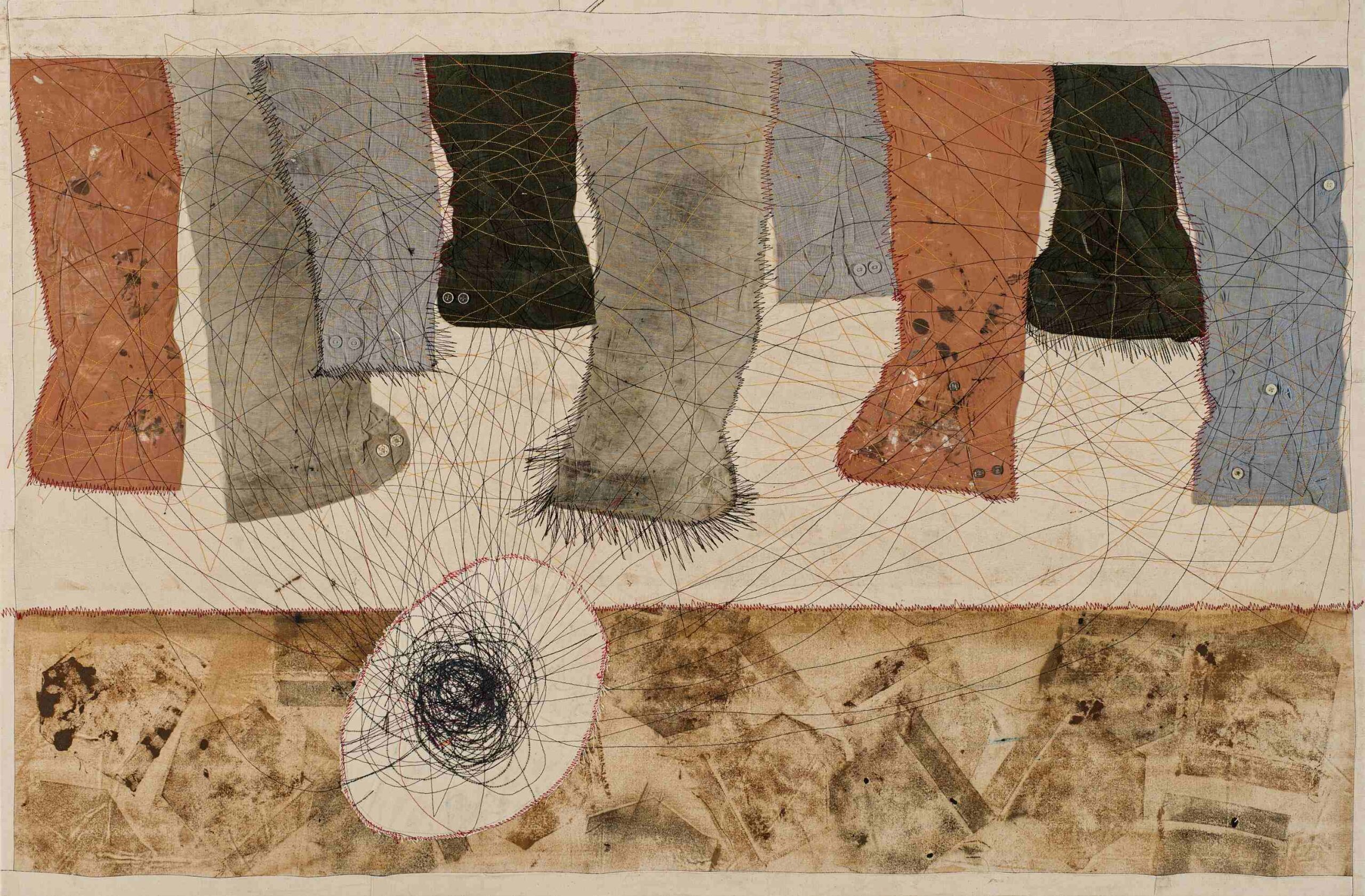
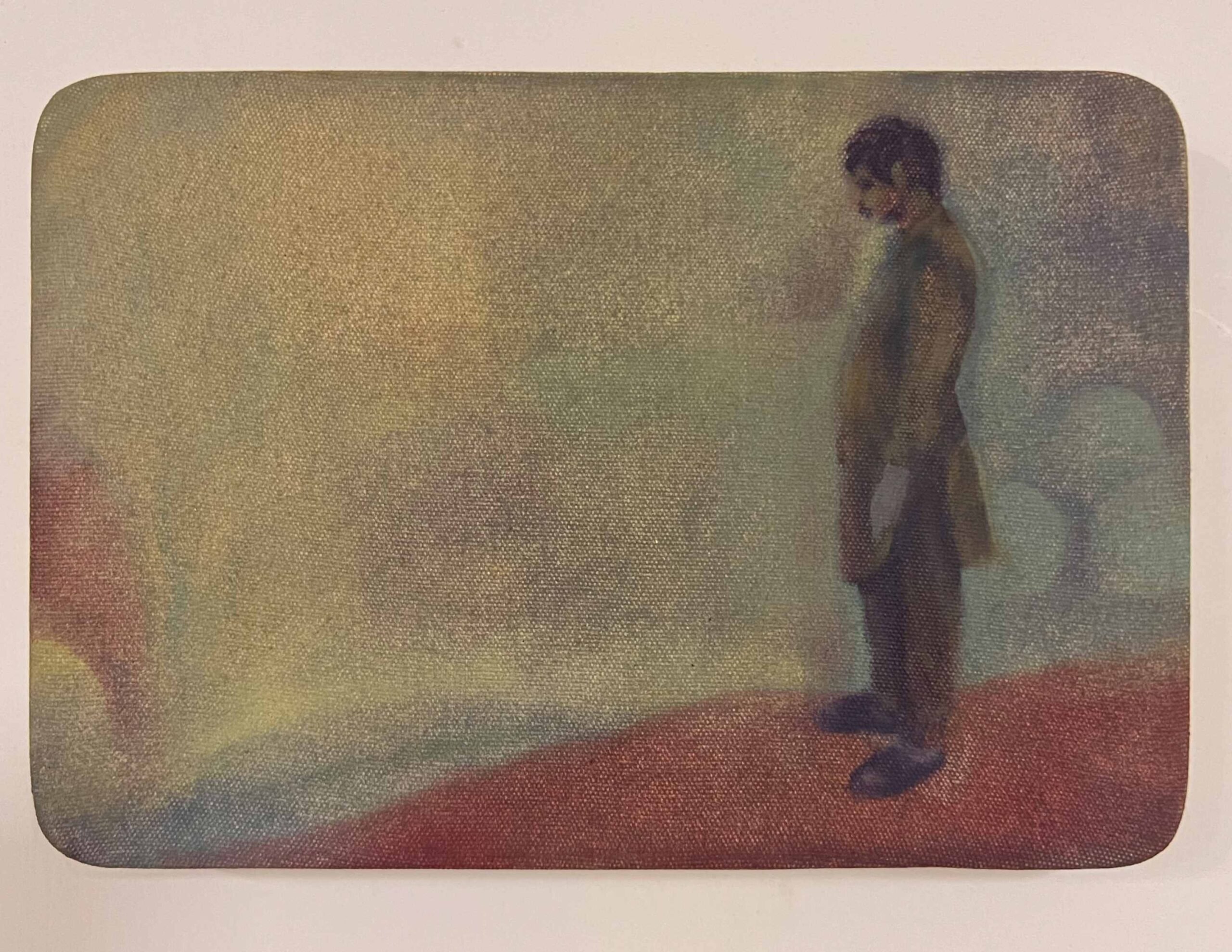
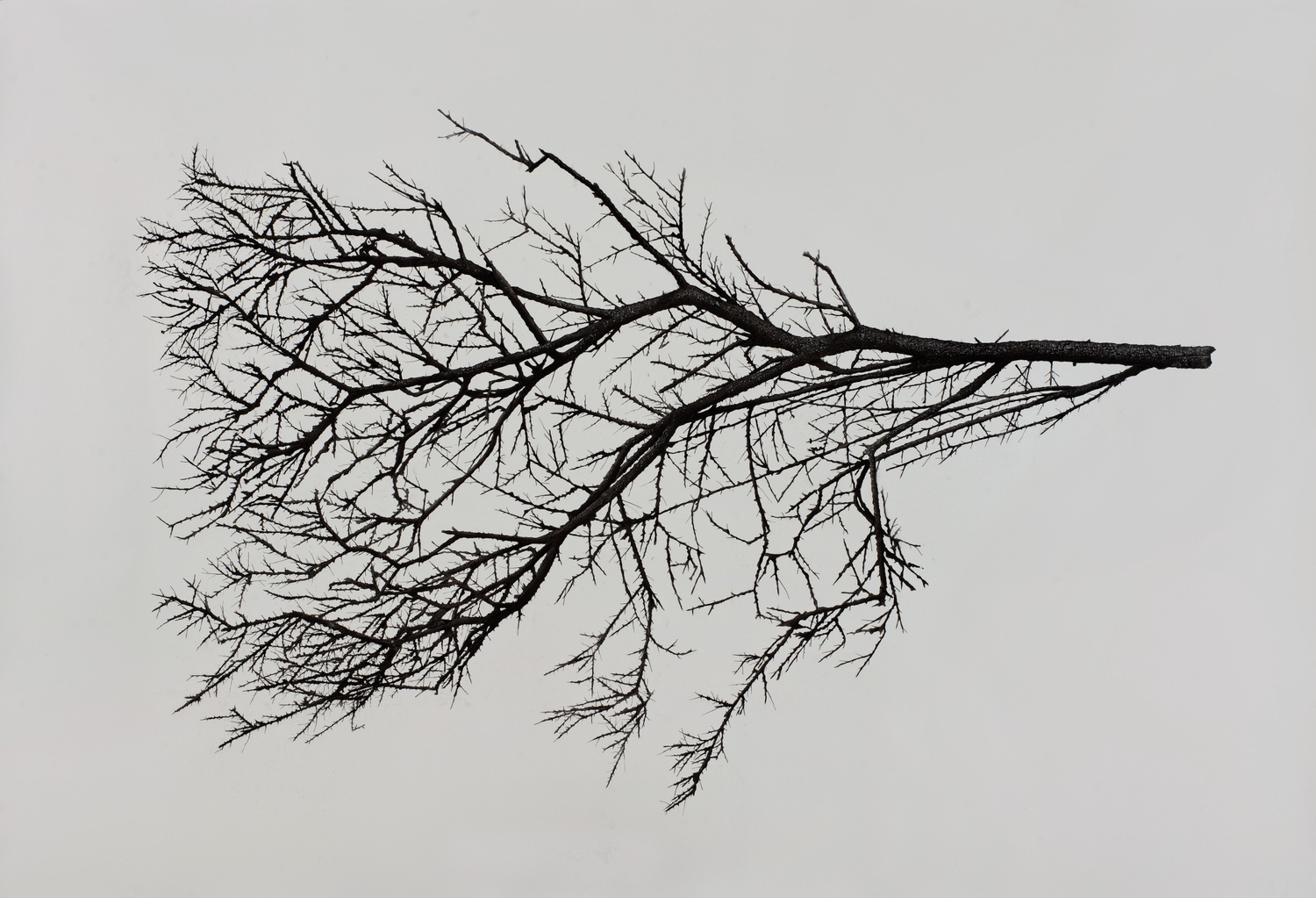
The human body and the bodily experience of being a human are fecund sources of inspiration for creatives, and have been for millennia. From stick figures on cave walls to carefully detailed anatomical studies, from life drawings to delicately carved marble renditions, the human body has perhaps been one of the most depicted across the visual arts, and even beyond. Simultaneously, the body as it exists in the world has also been one of the most contested sites. It has been romanticised, politicised and otherised; it has been debated upon, litigated and criminalised. What, though, is the human body? Is it a biological network? Does it extend beyond its physical boundaries? How does it fit within ecological and sociological paradigms?
These are the provocations that a group of artists contend with in Where the Body Begins. In responding to the premise, the seven participating artists also showcase the evolution of their own body of work, as each piece carries the fundamental building blocks of their artistic practices and their engagement with materials and forms. The show as a whole presents a grand narrative that charts the life cycle of a body, from foetal formations to eventual decay. Employing this arbitrary chronology allows us to map the contours of the body, as well as the exhibition.
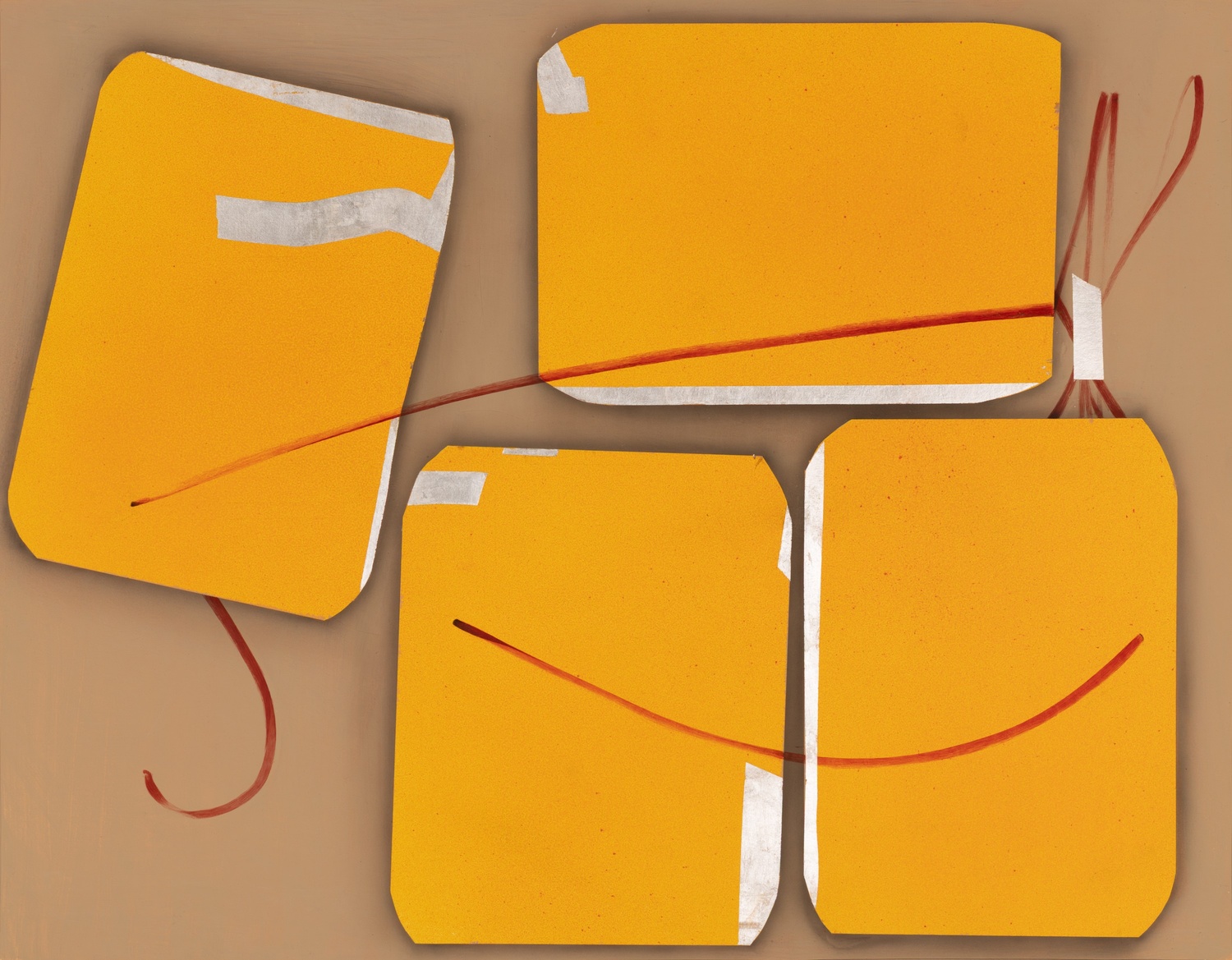
Madyha Leghari’s ceramics become a logical entry point to the show. Four stoneware pieces examine gestational experiences and their effects on the bodies of the mother and the eventual child. This most fundamental fact, the shaping of a body that will become a human, carries within it manifold layers of bodily experiences and foregrounds essential conversations around its definitions. Where does the self end and the other begin? Does the body necessarily begin within another (human) body? In the gestational months, does the mother retain her body for herself or is simply a nutritional vessel in service of the body to be? Leghari also looks at the technological interventions during and after birth to answer these questions: breast pumps reminiscent of cow milking machines (A taste of heart at the back of the throat), a body suspended foetus-like, surrounded with lab paraphernalia (Water Bodies). In Gentle Hands we are reminded of how a birthing body physically breaks to push out a new one, while Goosebump takes the fact of life to a more cellular level.
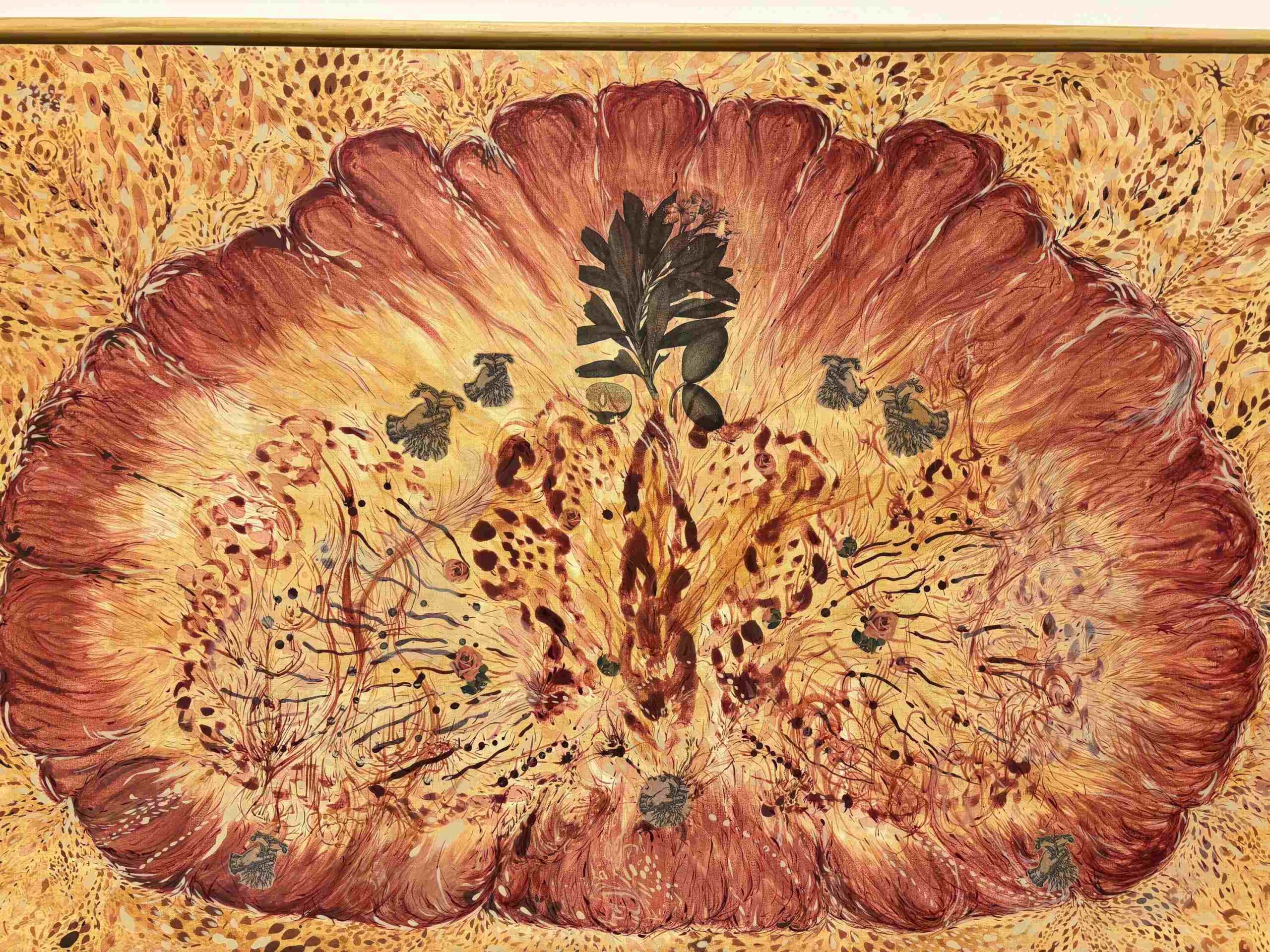
Similar feminine concerns echo in Sahyr Sayed’s work, who continues her investigations into the porosity of a body, both physically and socially. Mothering runnels III expands upon previous works from this series; where earlier works expressed a certain anxiety and ferocity, this is decidedly more joyous. Abstractive petal-like female anatomy features prominently. It functions as a portal to life, but also joy and pleasure. It pulsates a palpable inner rhythm. Surrounded by this structure are Sayed’s usual protozoic mark-makings and collages—these appear in Cake V as well. Both these works together represent a body as a place of life, as sensorial sites rife with hedonistic tendencies; they also look at feminine bodies and their socially imposed domestic accoutrements, taking the body out of itself and extending it to its immediate interior world and desires.
Desire and physicality cannot be divorced from the act of inhabiting a body. Mohsin Shafi’s work underscores this. However, desire is one of the most controlled and surveilled aspects of human lives. Feminine and queer desires are constantly challenged, and so are any physical intimacies outside the confines of the heteronormative experience. Many bodies that are otherised along these lines are forced to compartmentalise these feelings. Shafi’s work addresses this conundrum through several works: ceramic collars (I Breathe. I Do… I-III), natural flowers in resin shaped as dental moulds (I Heard My Tooth Whisper… I-V), and an illustration on paper (If Schiele…). What the pieces hold in common are repressed bodily desires and an acceptance of the self. The containers of these emotions, similar to Sayed, take the body beyond its physical barriers and places it in communion with its familial, sentimental objects.
This layered interiority and exteriority of a body forms the basis of Zara Asgher’s recent work, where she observes bodies in space and bodies interacting socially. Through observations borne of drawing in public spaces, Asgher seeks to identify the social mores that structure interactions between bodies along gendered lines and other social dynamics. She draws the body as several distinct inner and outer layers that spill upon each other to create a whole ‘Body’ (Divided, Divisible I II). Attention is also paid to physical movement and reflects the anatomical concerns of Leghari and Sayed. Leaky Formations call forth the mechanics of bodily movements; all three pieces also hint at eventual failure of these biological machines.
Where does the body go once it fails though? For some, the ground, the others the air. For all, back to the elements.
Afshar Malik, Anushka Rustomji and Sajid Khan, on the other hand, occupy themselves with the body in exterior spaces, but also ponder upon on how time affects the afterlife of a body.
Anushka Rustomji, for instance, muses upon the intersection of the natural world with the human form. Drawing from her interest in mythologies and cross-cultural sacred traditions, and the visual representation of these, she imagines hybrid figures into existence. Arboreal Being I-II are both pencil on paper works that investigate the relationship between different types of bodies: humans, nature and myths. They serve as reminders that the human form ultimately returns to an elemental state, while also emphasising myths that forge connection between the human body and the natural world—a connection that often feels severed and leads to disillusioned, disembodied experiences. Rustomji’s work also radiates a sense of the effects of time on bodies, on landscapes.
Where Rustomji looks earthwards, Sajid Khan takes our gaze upwards, to the clouds. Big roiling, swirling masses of clouds—bodies in their own right—confront us in Disrupted Horizons, eschewing common conception of tangible bodies. Clouds are massive compositions of water, transformed into a different state—they hold life, they hold terror, they hold imagined creatures. This transformational aspect is also reflected in It goes, where it comes from, where we witness destruction and metamorphosis. Khan’s depiction of cloudscapes as forms of terror and beauty result from childhood cloud gazing and living under increasingly terrifying political circumstances. His work, then, is also a story of the harm done to the body of the world.
The preoccupations of all the artists in the show coalesce neatly in Afshar Malik’s two pieces, both oil paint markers on acrylic foam sheets. It Burns, It Ends seamlessly merges the interior and exterior and is drawn as if one has stumbled upon a place without a body, but the signs of habitation are recognisable through its domestic hoard—the shoes left in the corner, the neatly arranged paraphernalia on the shelf. What makes a body and what makes a life are all elucidated in this scene. Luminous Wind, however, is a piece that probably reflects the central conceit of the show, as well as the essence of all other pieces presented, most concisely. We gaze upon a multi coloured forestscape; branches move in all directions, they criss cross, twist upon themselves. It is a forest; but it can also be a neural network, a close up of cells, social structures mapped out, mycelial frameworks that, hidden, govern various aspects of our lives, or even a macrocosmic rendering of galaxy clusters. It is no wonder that Malik’s work lends itself to such an all encompassing reading—he taught all the other artists after all.
Ultimately, where the body begins is a question left to the audience to answer. What is exhibited is a range of reflections. There are thematic overlaps and diversions between the works of all artists, but there is also a common element of play, as they all take liberties with materials and layers and methods. The main proposition of the show draws upon Laing’s suggestion that we are stuck in our bodies and defining them is an ongoing negotiation that ultimately defines our experience of inhabiting one.