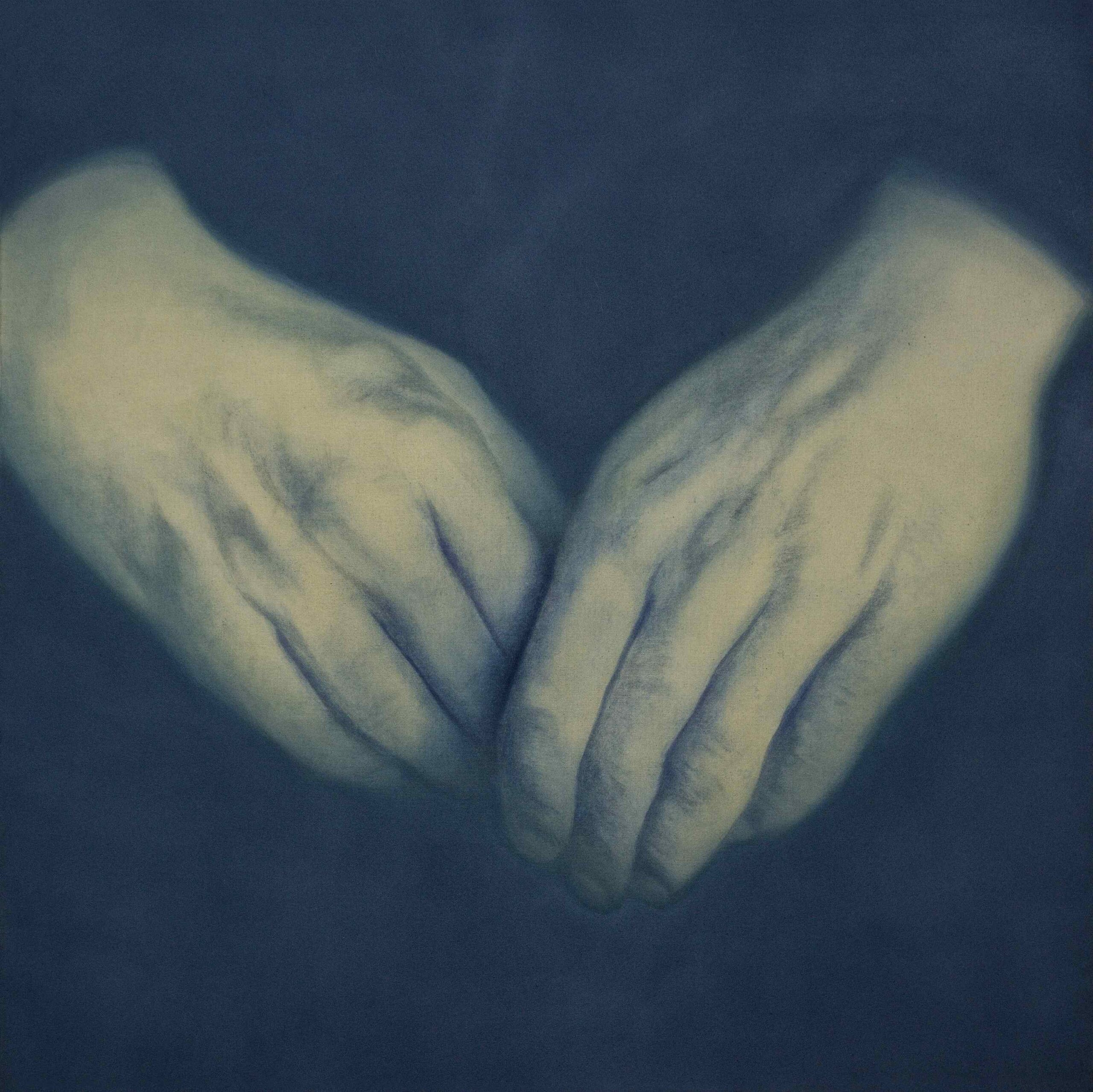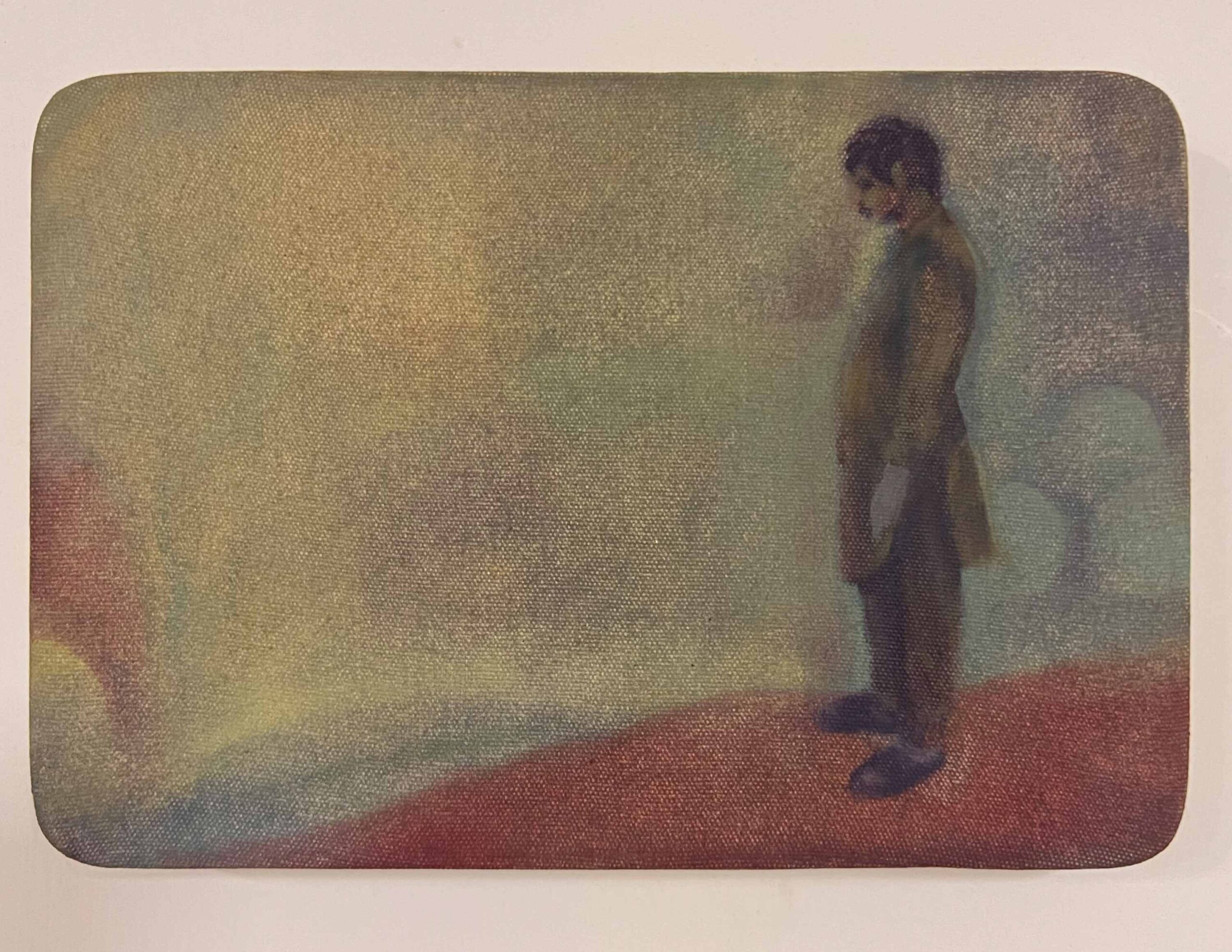
Haruki Murakami, in his new novel, The City and its Uncertain Walls, delineates a town that simultaneously belongs to our familiar world, besides another, a parallel world. A realm where humans like us live, but long abandoned their shadows; also “just as the people of the town had no horizontal curiosity about geography, they lacked any vertical curiosity about history”.
Though Ashkan Sanei is from Iran – born in Urumieh, studied at the universities of Isfahan and Tehran, and currently lives in Tehran where he held his six solo exhibitions at different galleries – but it seems he is also an inhabitant of that fictional place conjured up by the Japanese author in his book. Since his art describes the scenario, situation and sense of that imaginary land.
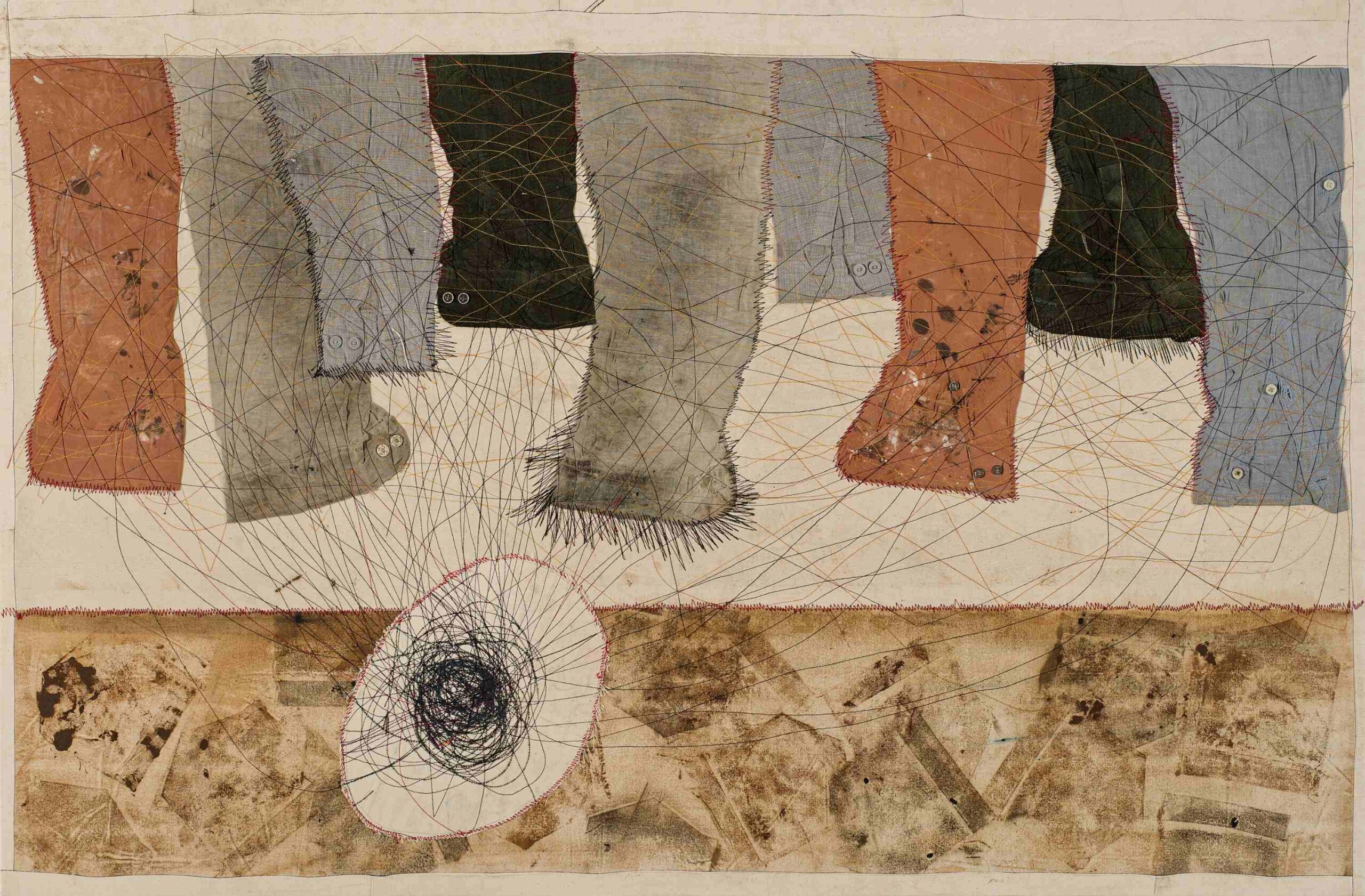
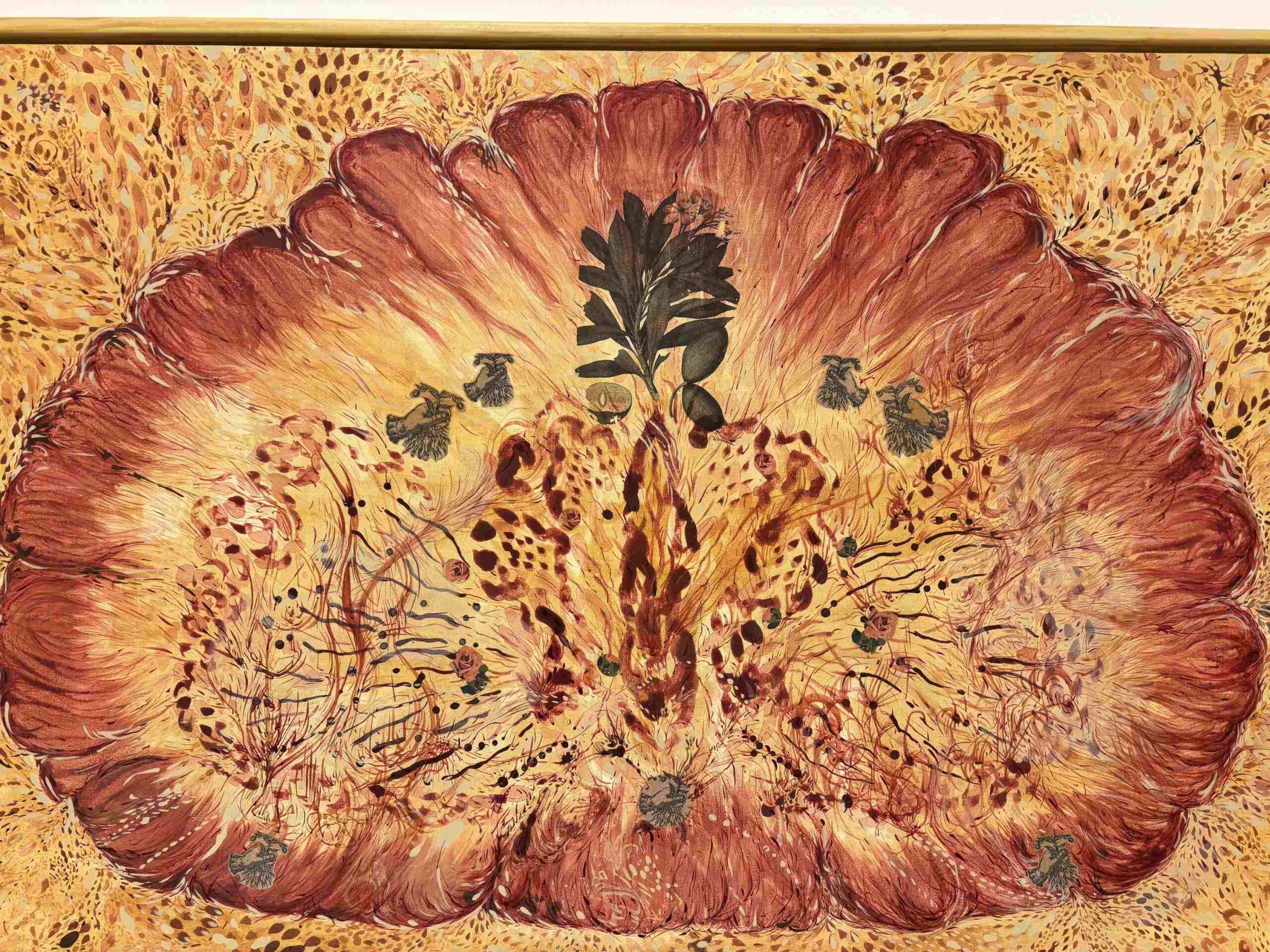
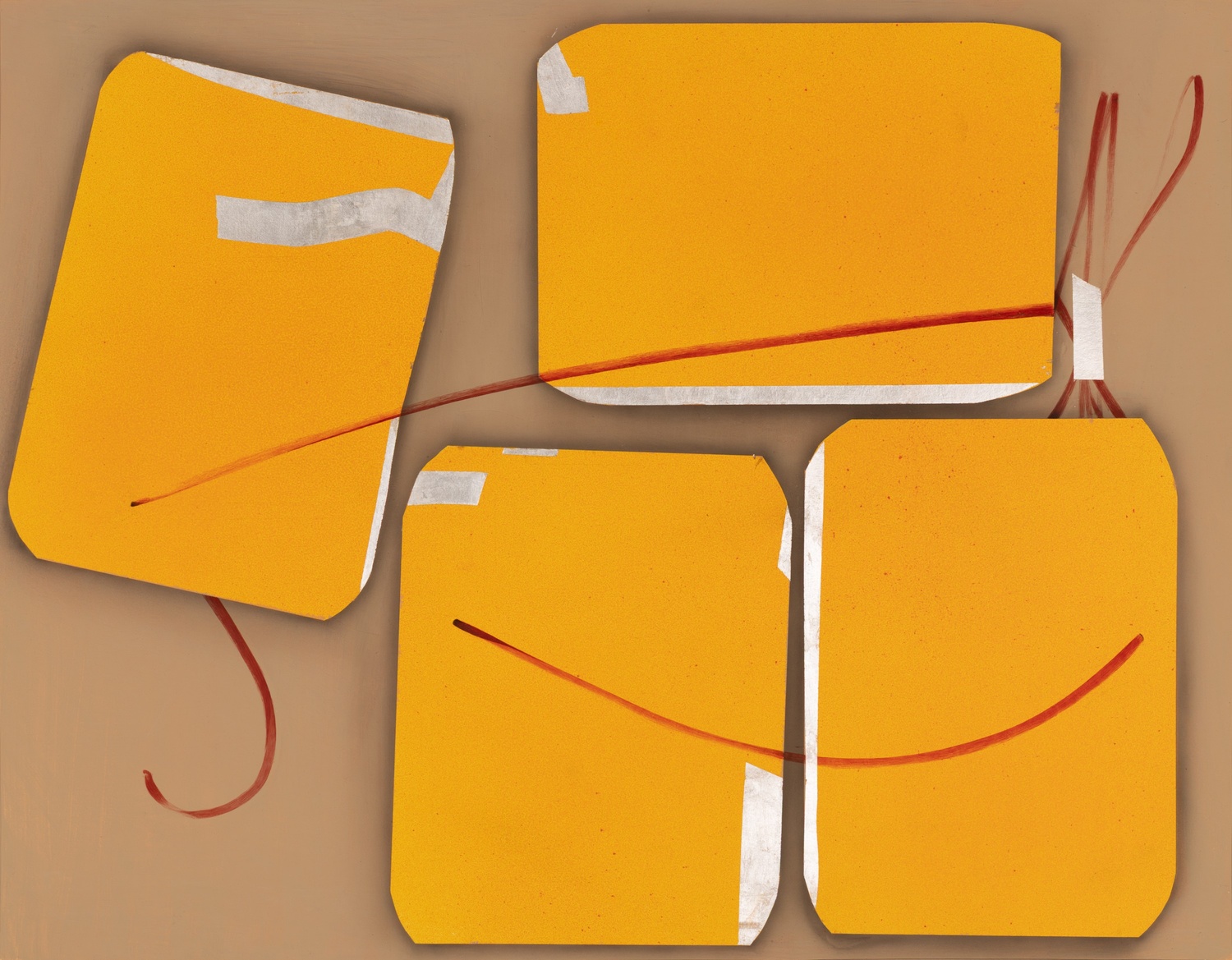
Looking at his recent works, a blend of multiple mediums, techniques, and sources, one realizes that the reality created by Sanei exists – more convincingly than our mundane and daily experiences – and is removed from the usual web of actuality that surrounds us. Disposing of shadows not only occurs in Murakami’s text, it happens in Sanei’s visuals too. Here we stroll in a terrain sans shadow, and beyond the pull of receding space. There is no reading of horizon, and no perception of verticality. Everything turned flat, two-dimensional, and geometric. There are maps of external and intimate geography in his art. Eroded, erased, fragmented shapes keep on reminding us of their previous presence – whether in memory, dreams, or anecdotes. Surfaces, which could be walls, windows, much treaded floors, particles of atmosphere, pages of a dysfunctional script are part and features of his creative production.
A work of art, no matter if it envisages the future, deals with sci-fi themes, or imagines a universe to be born, in its essence is a residue to the past. Only because whatever created, is seen after. Initially by the maker, then by the contemporaries, and later by millions of spectators across cultures and continents. A novel, a piece of music, a movie or a work of visual art in its essence/making has that ingredient of the past. Occasionally acknowledged and absorbed in the practices of creative individuals, so a number of works emanate the scent of bygone eras.
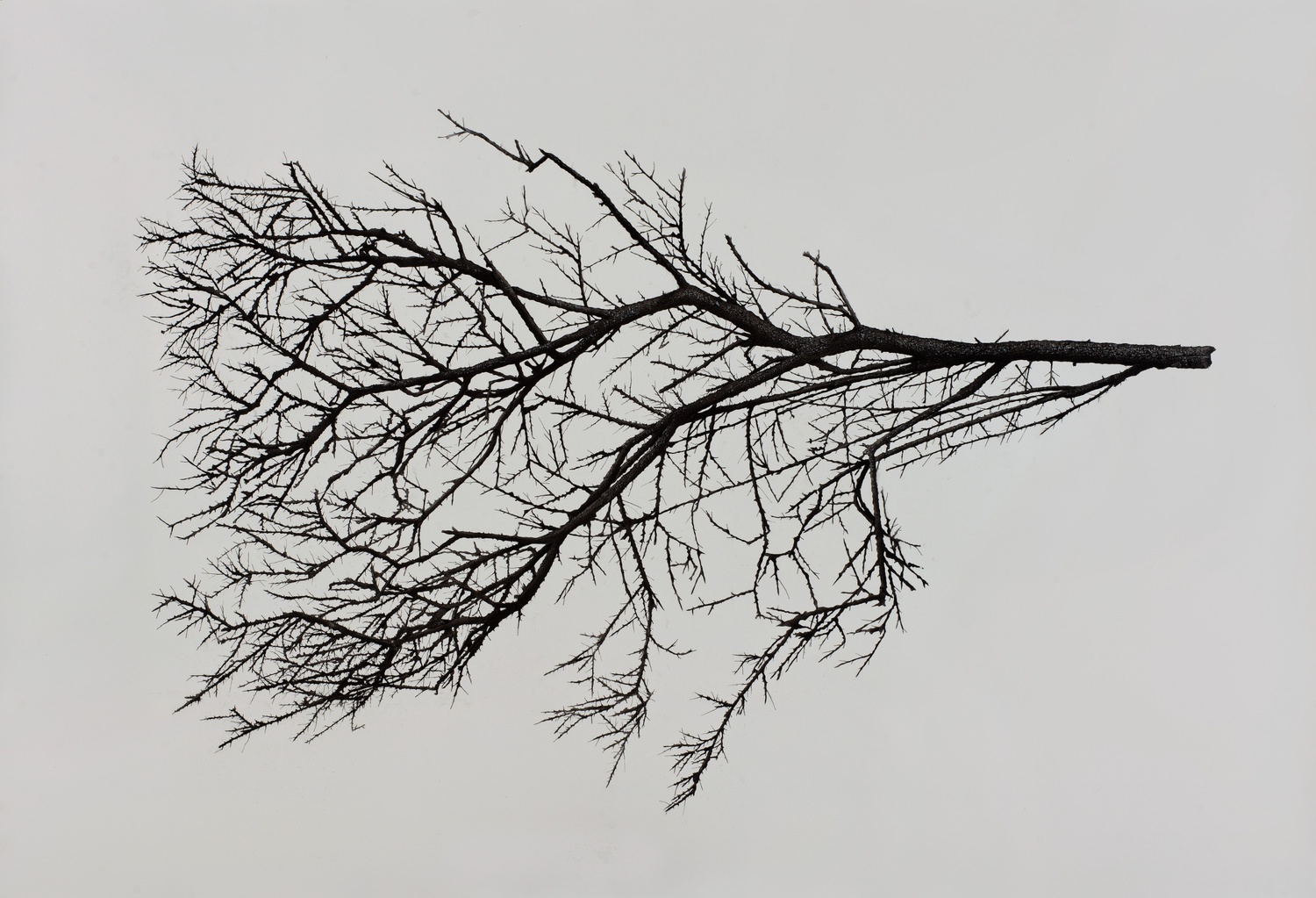
Ashkan Sanei combines layers of marks, textures, materials to fabricate an imagery that is not only related to optical sensibility, but simulates other experiences as well. For example the body of works with a common title Rough Wind, appears an attempt to document and describe the sound, speed, vibration, and vitality of a natural phenomenon. Sanei accomplishes this with the sporadic movements of a marker pen on a pale yellow page. The textured surface of (hand-made Indian) paper, and the archiving of irregular, multi-directional and seismic flow of lines in varying thickness and width, communicate the sound and fury of fierce wind in a tropical region or on a mountainous range.
The overwhelming scale, amount and ever-engaging diversity of black marks, transcend a viewer of Sanei’s art to a visitor of vast and open fields. However, one at the same instance speculates if all that is portrayed not solely lies around, but in the interior of each person who gazes at Ashkan Sanei’s recent works, shown for the first time in Lahore.
Though the artist has never exhibited in Pakistan, like wind, water, birds, art of a region does not stumble upon, or care for national-political boundaries. A person’s encounter with a built environment, and his/her exposure to physical phenomena is spread beyond borders. Especially those lands which are not only joined by geography, but are interwoven through history, language, rituals, beliefs. Pakistan and Iran merge into each other in their soil, stones, water, much like our country meets its neighbors including India, Afghanistan, and China. Sanei recognizes that the essence of humanity, the elements of shared history, the segment of interlocked identity, manifest in language, music, agricultural products, mode of travel, and forms of popular culture.
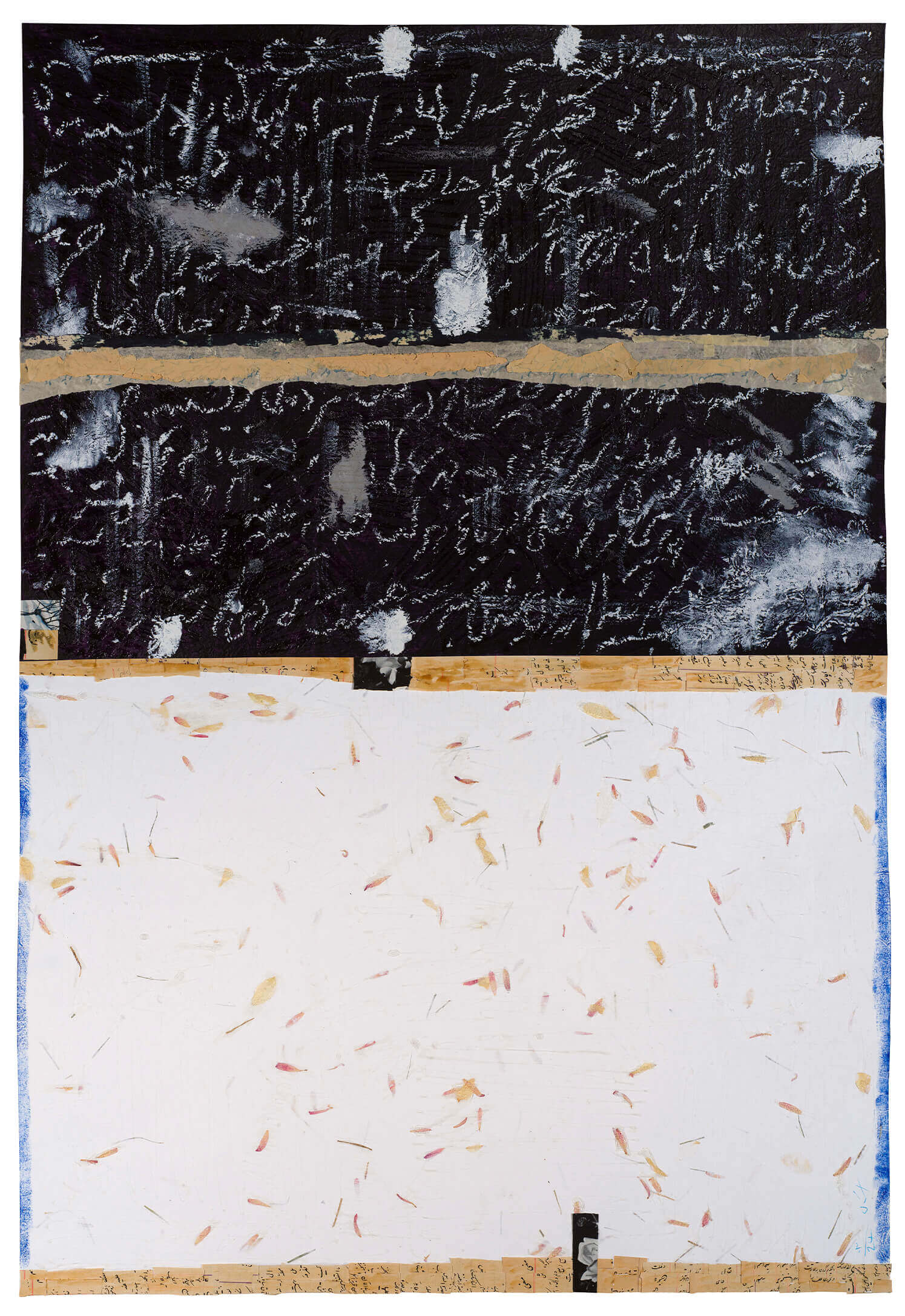
Another element that reappears in Sanei’s art is the manipulation of language. Written, spoken, muted – the script assumes multiplicity of disguises. In the series of works, singularly named Word/Meaning, one deciphers wavering traces of alphabets, messages, scrawls. Constructed in the format of a page, these timeless texts are drawn/penned (some of the tools used by the artist include solid marker and pencil!). An important aspect of these richly fabricated surfaces is the addition of fragments of photographs. Bits and patches of old and black and white photos are glued on the visual so it simultaneously describes being aggressive, and delicate. These roughened and teared parts of pictures look as if transported from their place of origin/exposure to other locations on the wings of wind.
Wind is a natural element that brings seeds from distant lands as well as the potential of disrupting the peaceful order of things. Hurricanes and storms destroy human settlements, while the breeze of spring promises the growth of new life. Sanei’s “aesthetics is based on themes of destruction and repetition”….as “he swings between creation and destruction”.
Poetry, music, and faith from the regions categorized as West and South Asia, repeatedly revolve around the motif of life and death. Creation and recreations. Death and reincarnation. Geometry, particularly the Islamic geometry, is about the reassembling of natural forms. Living flowers are converted into intersecting circles and shapes. In the hands of Sanei, the geometry is further modified, hence serving as a scaffolding to elaborate personal, private and poetic narratives. Derived from the observation of the outside world, such as a wall, a chequered fence, a wooden black board, strips of coloured or white papers, casual scribbles, his imagery is transformed into a field of contemplation, transcendence, transmutation. As the introduction to the artist notes that “in his practice, there is a tangible connection between the subject and the material,” one can conclude that the pictorial strategies of the Iranian born artist establish a prolonged bondage between an art object and its varying viewers.