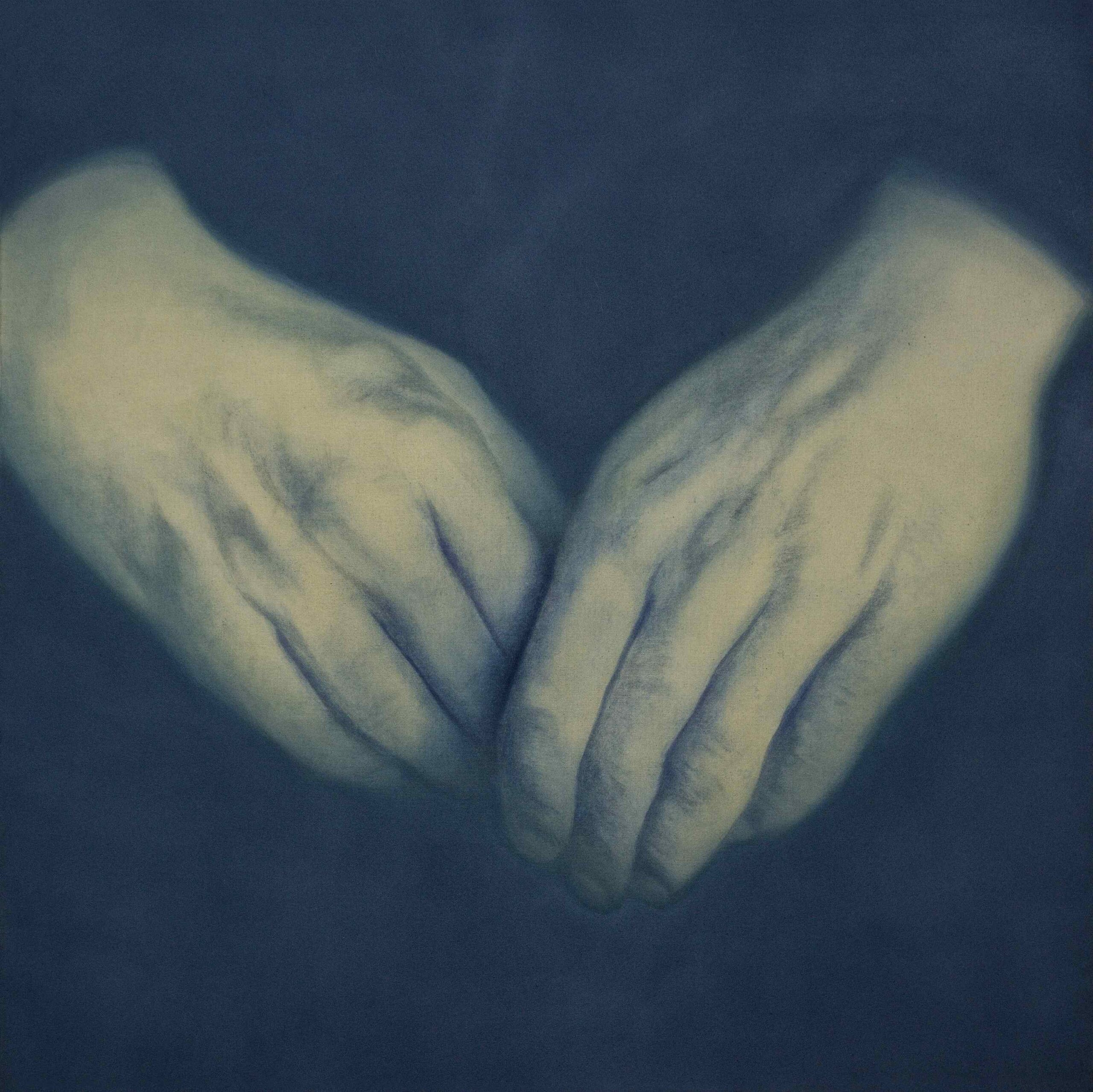
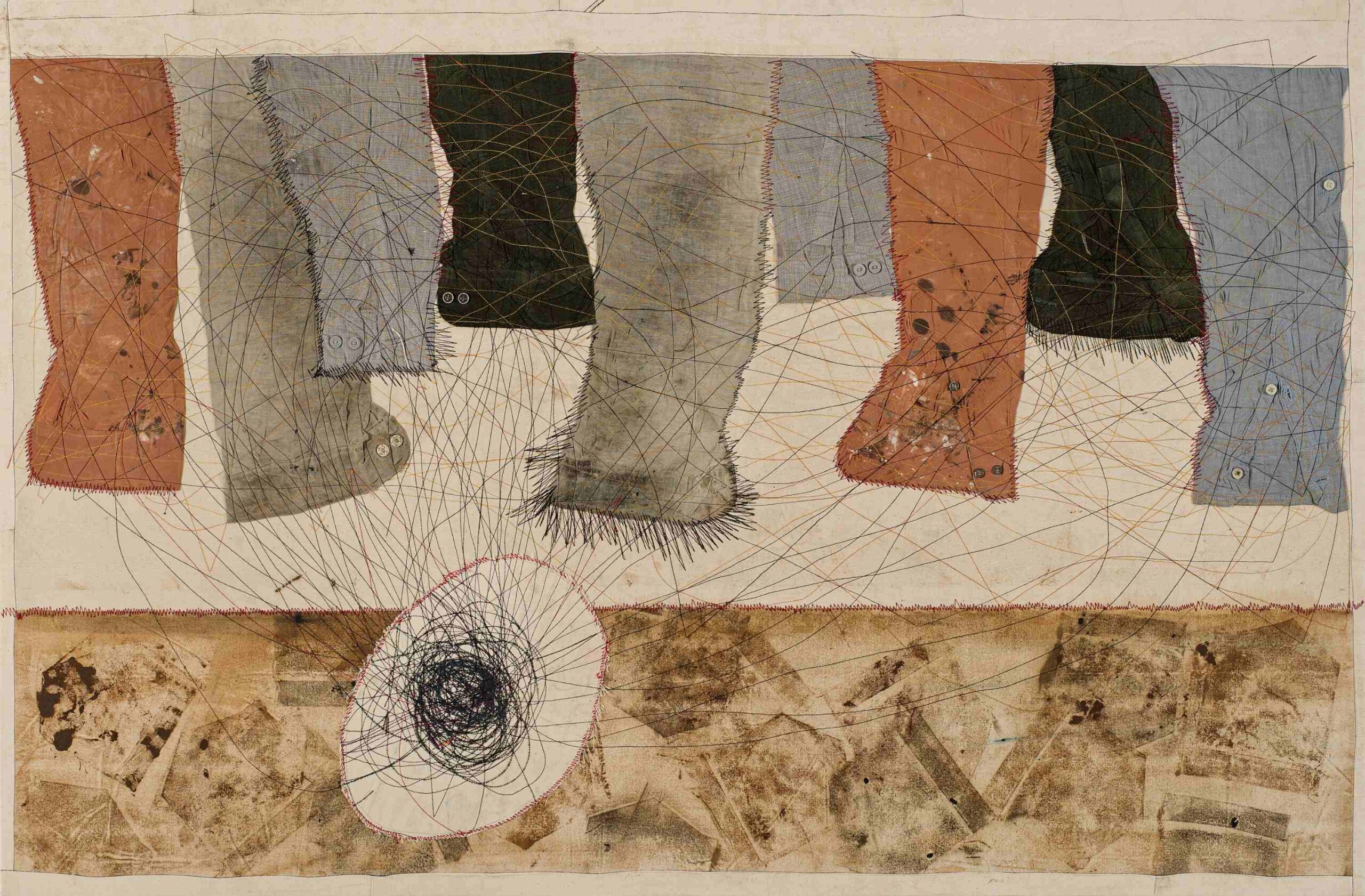
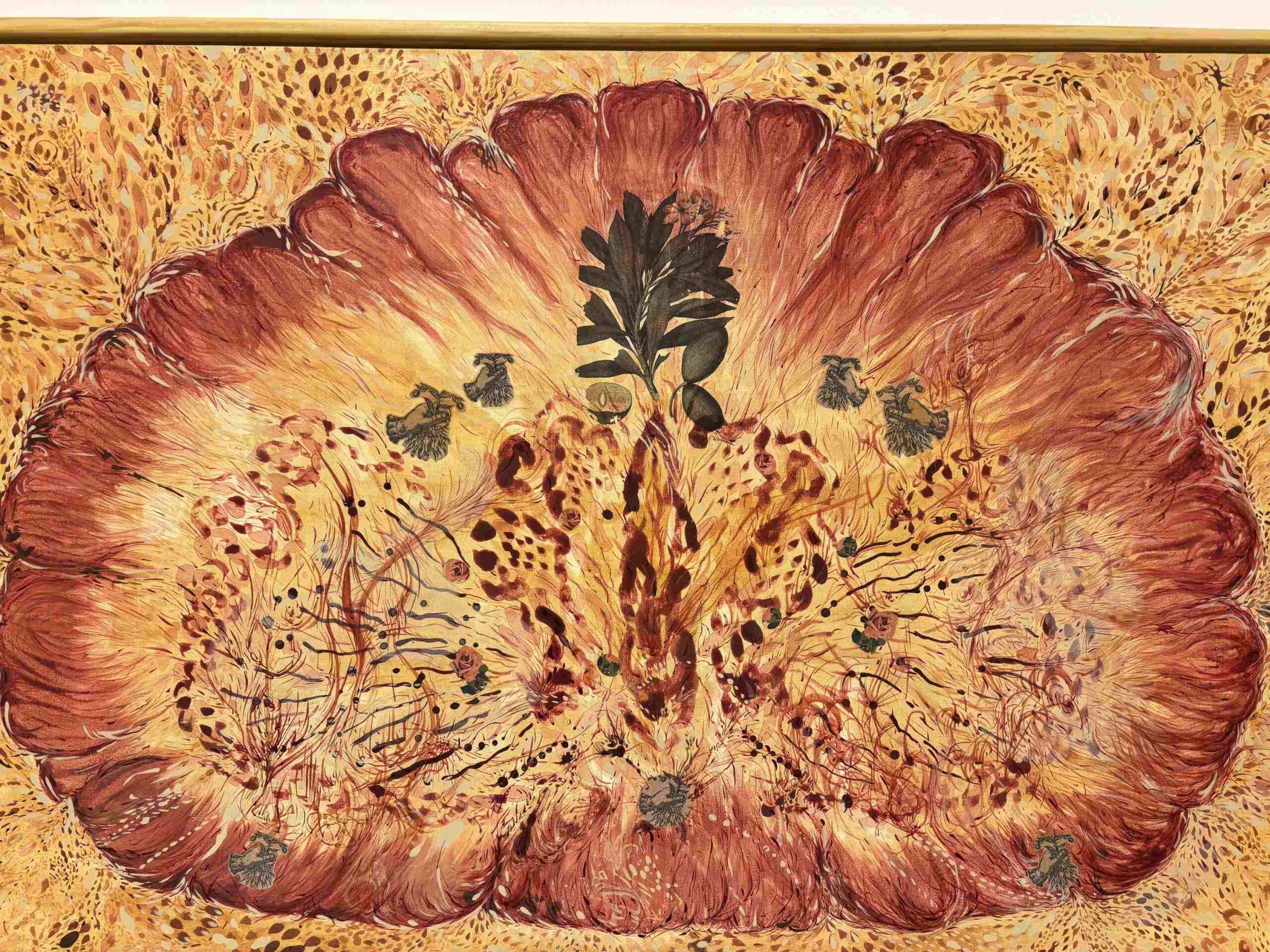
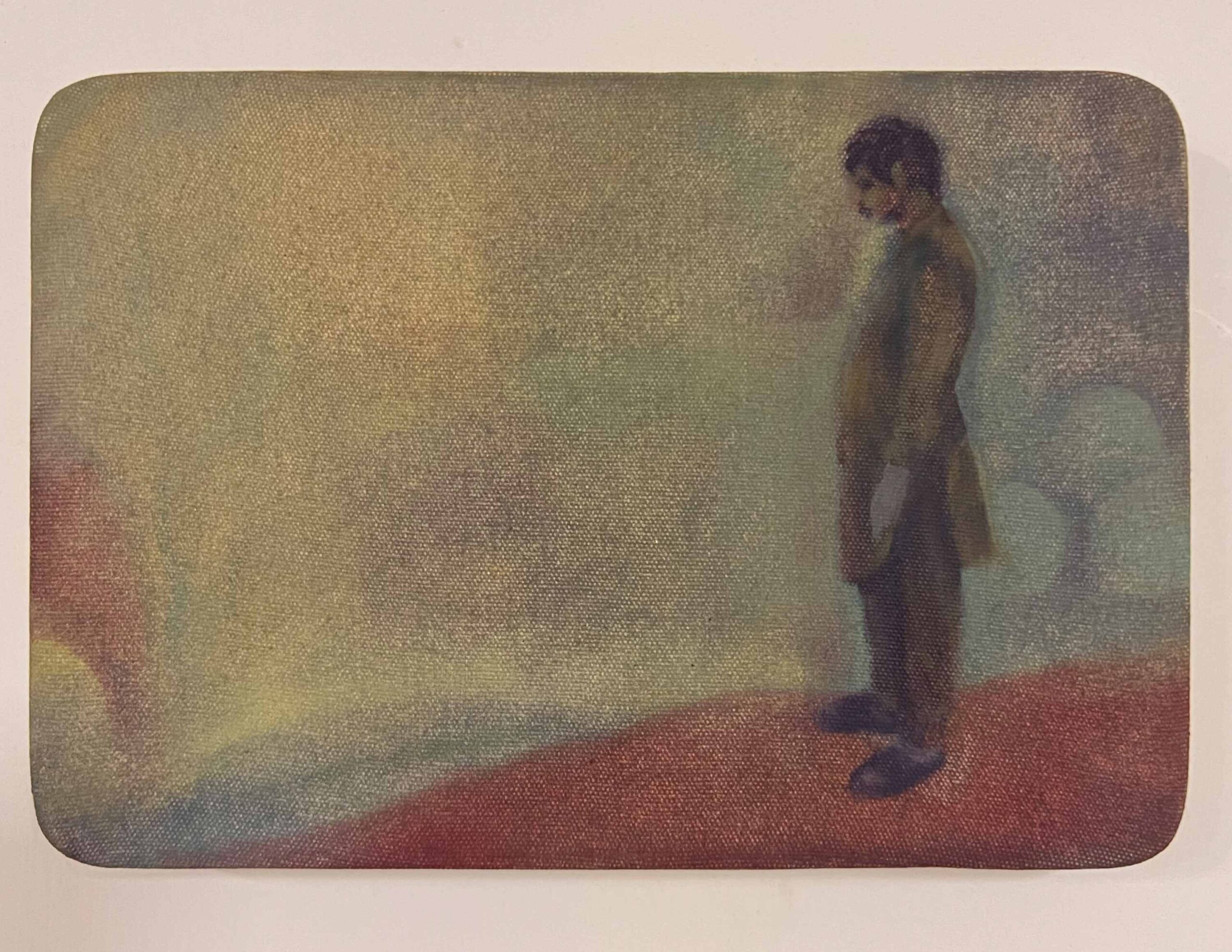
I have a second-hand book on Van Gogh’s work that I picked up from Anarkali Sunday Book Bazaar some eighteen years ago, during my student days. Aside from three or four colored plates, most of the paintings are printed in black and white. This is oxymoronic with Van Gogh—or perhaps with Monet, Matisse, or Bonnard— and most definitively absurd with Josef Albers, or any artist whose work is heavily structured in color, to have their reproduction plates published in greyscale is a disservice. For someone interested in painting, I have always found these reproductions utterly inadequate and frustrating.
Grey has its own brand of unsettling anxiety, the realm Yawar was born into, where he learned about color only theoretically.
Yawar was born with Achromatopsia, which means he sees in greyscale, absolute color blindness.
He is primarily an oil painter, inspired by Impressionists, Post-Impressionists, Fauvists, and Expressionists, including some of the names I have mentioned above. Now, this is intriguing—the limitation, the presentation of his works through a veil he himself cannot lift. He draws inspiration from painters and their works in black and white. I can’t help but think of Yawar’s field of vision without imagining how Willem de Kooning’s paintings in black and white might look like scenes from a homicide.
Blue replaced by green is an honest glitch. It is akin to a mechanistic color inversion or some Photoshop color filter, which errs without disputing the principles of homogeneity in color. Despite his choppy, directional strokes, his paintings exhibit a careful, textured flatness, evoking the feeling of woven tapestries.
The eye is a machine, after all—a wondrous apparatus nonetheless—and color, for Yawar, is merely a nuanced value of grey.
There is a purist perspective to his work—a filter against the noise of colors, the chaos, the overwhelming disarray of emotions.
Yawar was born in Parachinar, a highly volatile area with a history of tribal and sectarian rifts, a serious humanitarian crisis today. His work does not directly illustrate this strife, but he is not indifferent to it either. Some may find his work decorative, but I see a resting violence and deep-seated anxiety in his palette. This can be witnessed in the quietude of his almost elegiac landscapes, which he largely paints from life, and in his phantasmagorical color schemes, with paint settling on the surface in quiet acquiescence.
The neon pinks and mauves, the unadulterated ultramarine and cobalt, and the dabs of conflicting complementary colors are but well orchestrated accidents. There is beauty in the thought of not being in absolute control, which bestows a convincing originality upon his work.
Yawar has photosensitivity, which means light is an irritant for him. He is weary of the intrigue of natural beauty, the expanse, the experience of vastness—all of which necessitate an inadvertent engagement with light in perpetuity. He spoke to me about his recurrent dreams of snares laden with flowers, without any escape, dreams he has attempted to illustrate in some of his works.
He doesn’t only deal with the usual creative artist’s block—he toils through his physical entanglements, creating paintings to share with a world that has the privilege of seeing color.