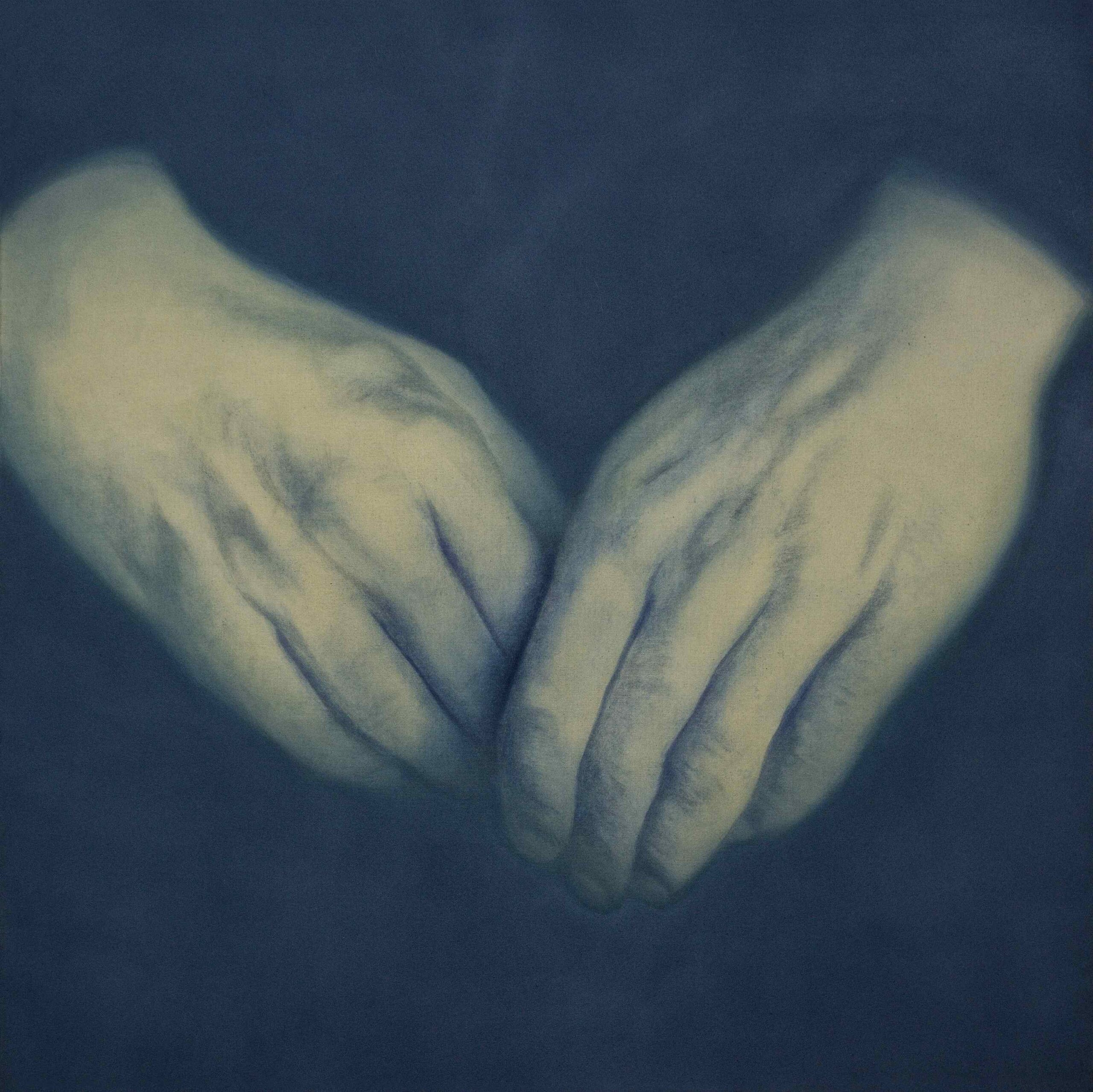
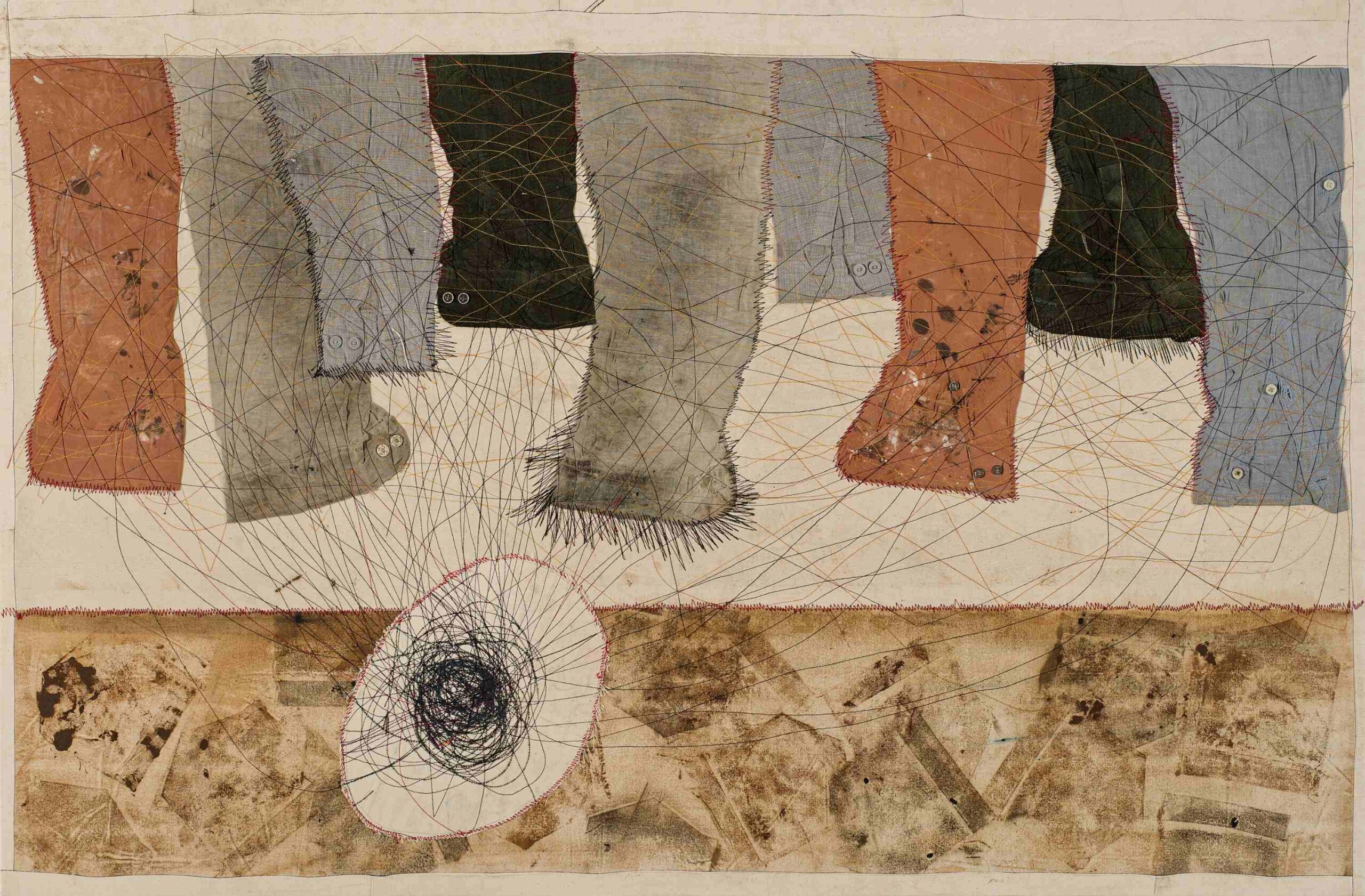
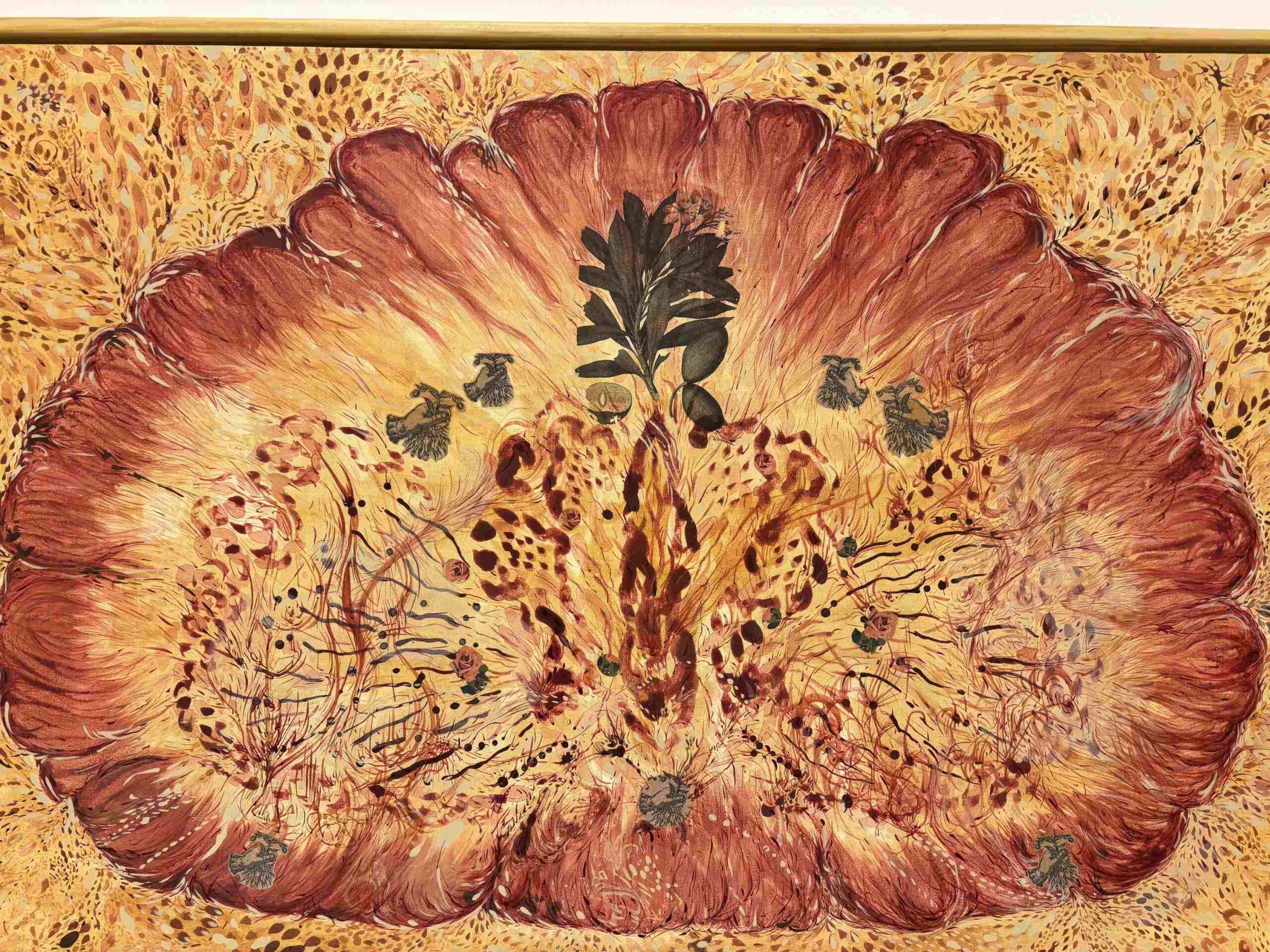
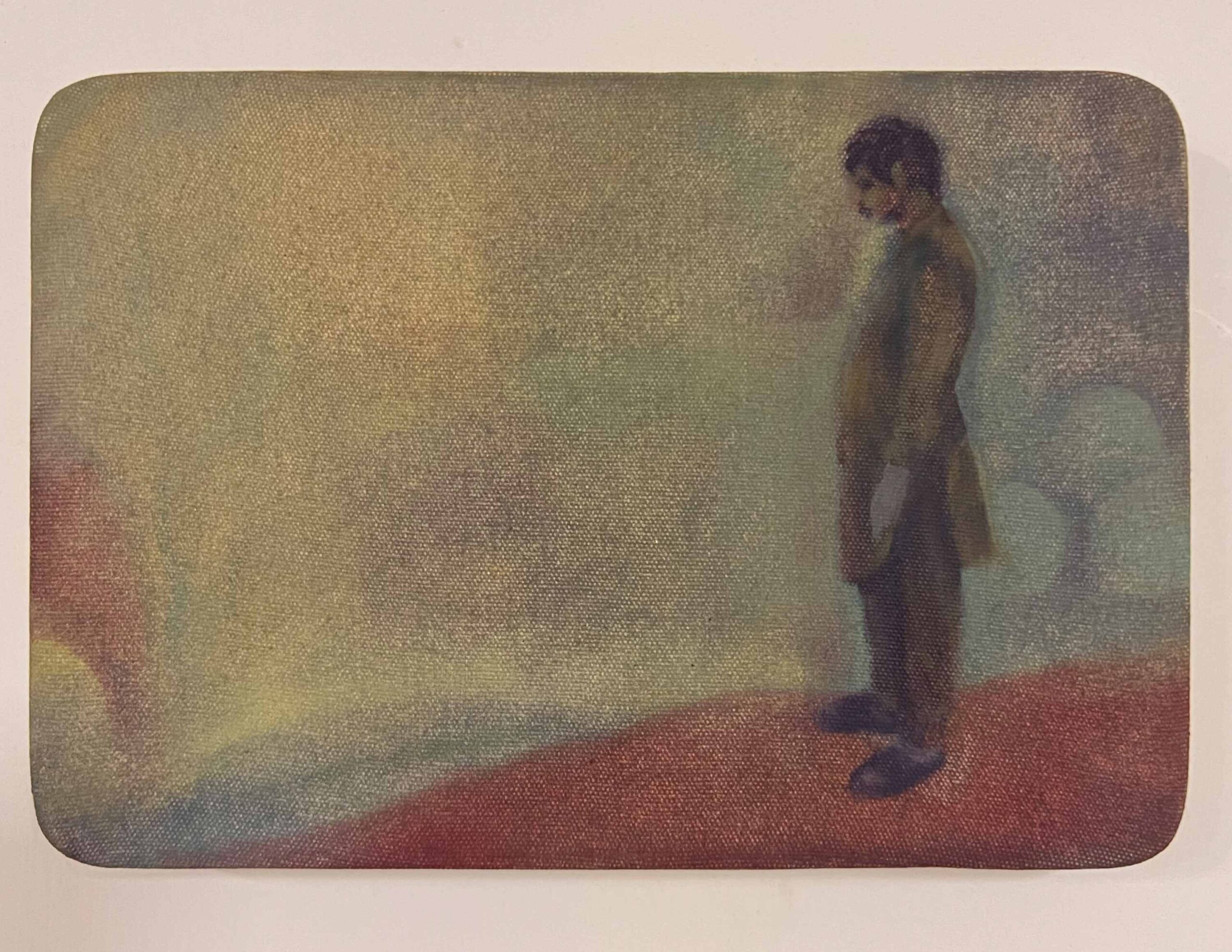
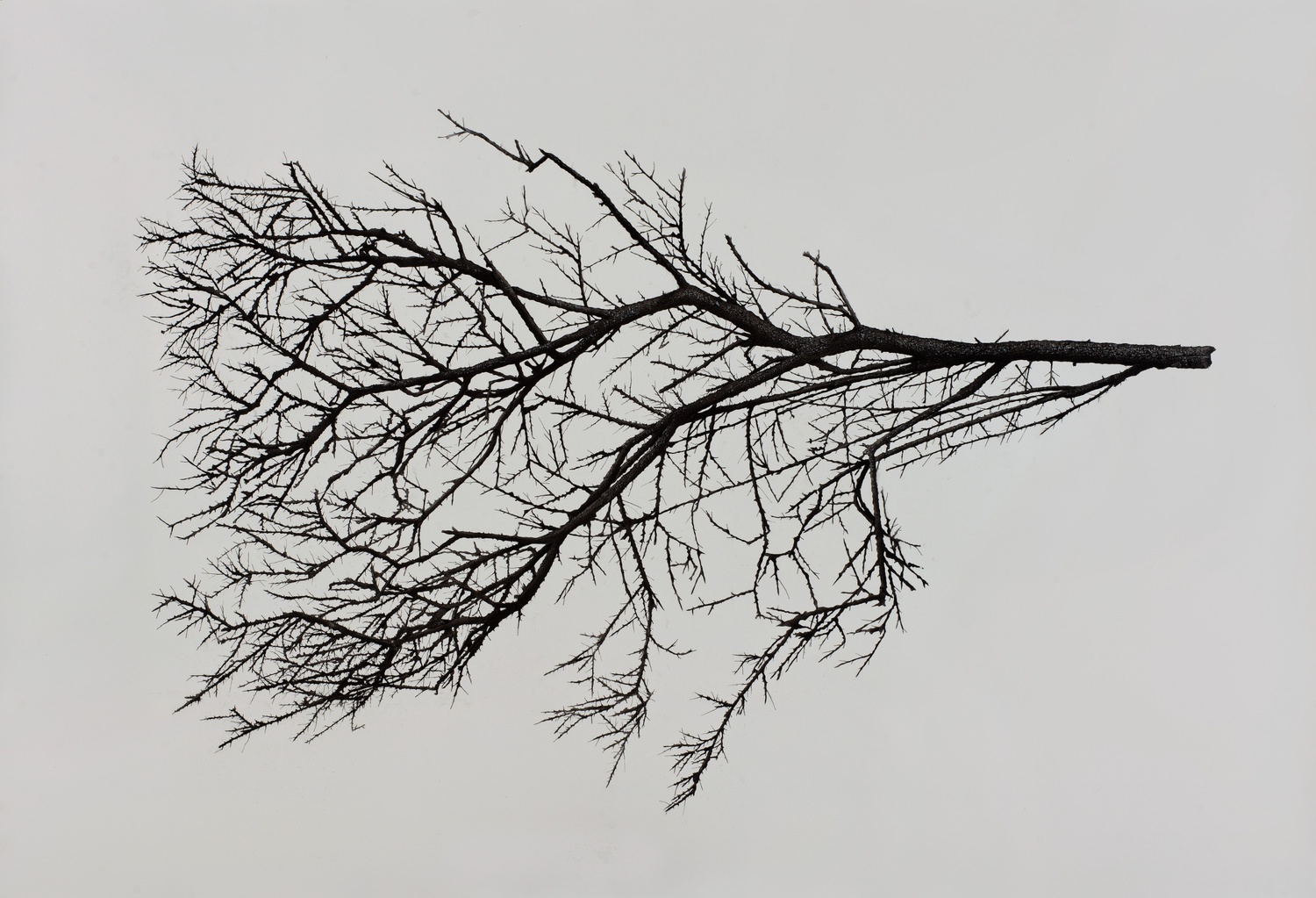
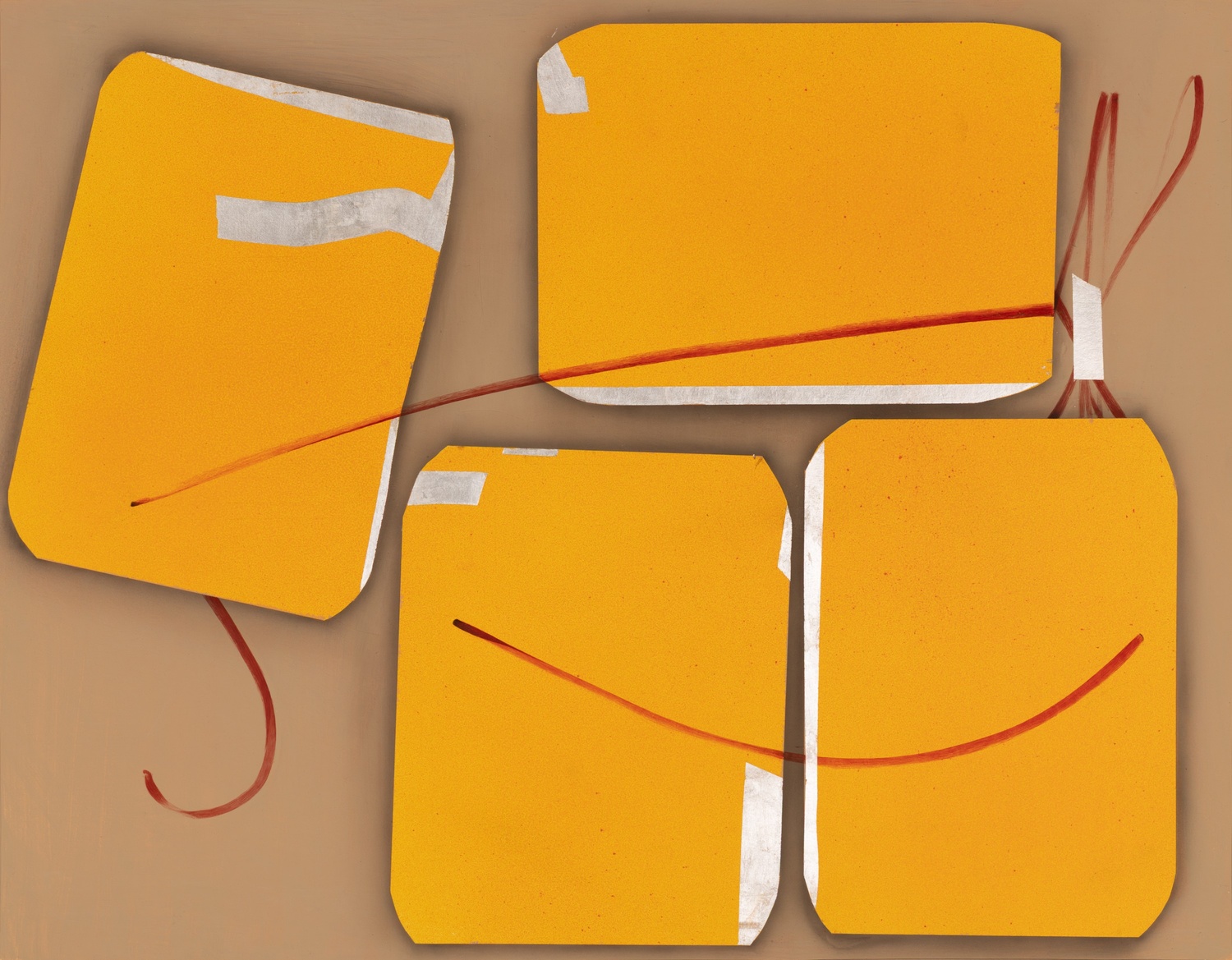
From the first marks pressed into stone to the delicate lines etched on copperplates, the human urge to document has always reached across time. Printmaking, with its reliance on pressure, transfer, and repetition, is not only an art form but a stubborn dialogue with endurance. A print carries the memory of the plate, the way a fossil carries the memory of a body. To encounter a fossil is to be confronted with both death and survival at once.
This body of work grows out of non-verbal conversations with places that Saad encountered in his travels. Silences, atmospheres, sudden happenstances. They are not about travel itself, not about maps or itineraries, but about the residues left behind, the ways natural world inscribes itself on our consciousness. The result is a restless exploration of growth and existence. How forms persist. How they adapt and outlast. How resilience becomes its own kind of memory. About how something that once lived still insists on being seen.
Ted Hughes once called the landscape “mythologised by its past.” Stones, rivers, animals – they endure as witnesses to our briefness. Hughes’s animals, his stones, and landscapes carry this paradox; nature is fragile and inexhaustible, brutal and eternal. This vision of nature as both ancient and alive hovers over Saad’s work. These prints inhabit that space, where myth and geology, history and survival lean into each other and blur. To stand before them is to move past the simple act of looking. You slip into another register of time. The line between observer and observed gives way. Each work becomes a kind of a spatial narrative, where consciousness merges into nature and, for a moment, there is a sense of tentative yet insistent belonging.
The act of witnessing translates into mark-making: tonal layering, drawing, and incisions. The surface becomes both record and revelation. These images are like cross-sections – of earth, of bone, of memory. They collapse past and present.
And then there is blue- ocean and sky. Horizons crossed, or only imagined and dreamed of.
The copperplate, scarred and burnished, hold not just the work of the hand but the history of the medium itself. Some works shine with an old master’s light, fragile and monumental, intimate and enduring.
Ultimately, these works are not just mere depictions, instead as they are shared experiences, an invitation for viewers to participate in a journey that is collective as much as it is individual. Like fossils, this reminds us that certain marks endure: mammoth in presence, prehistoric in memory, and persisting long after we ourselves have perished.