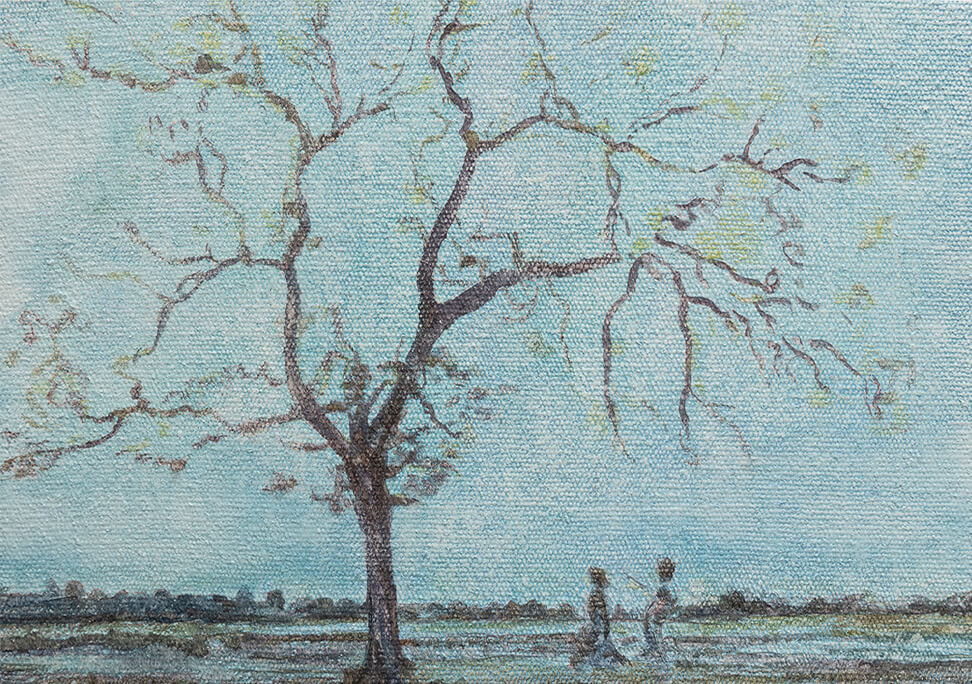
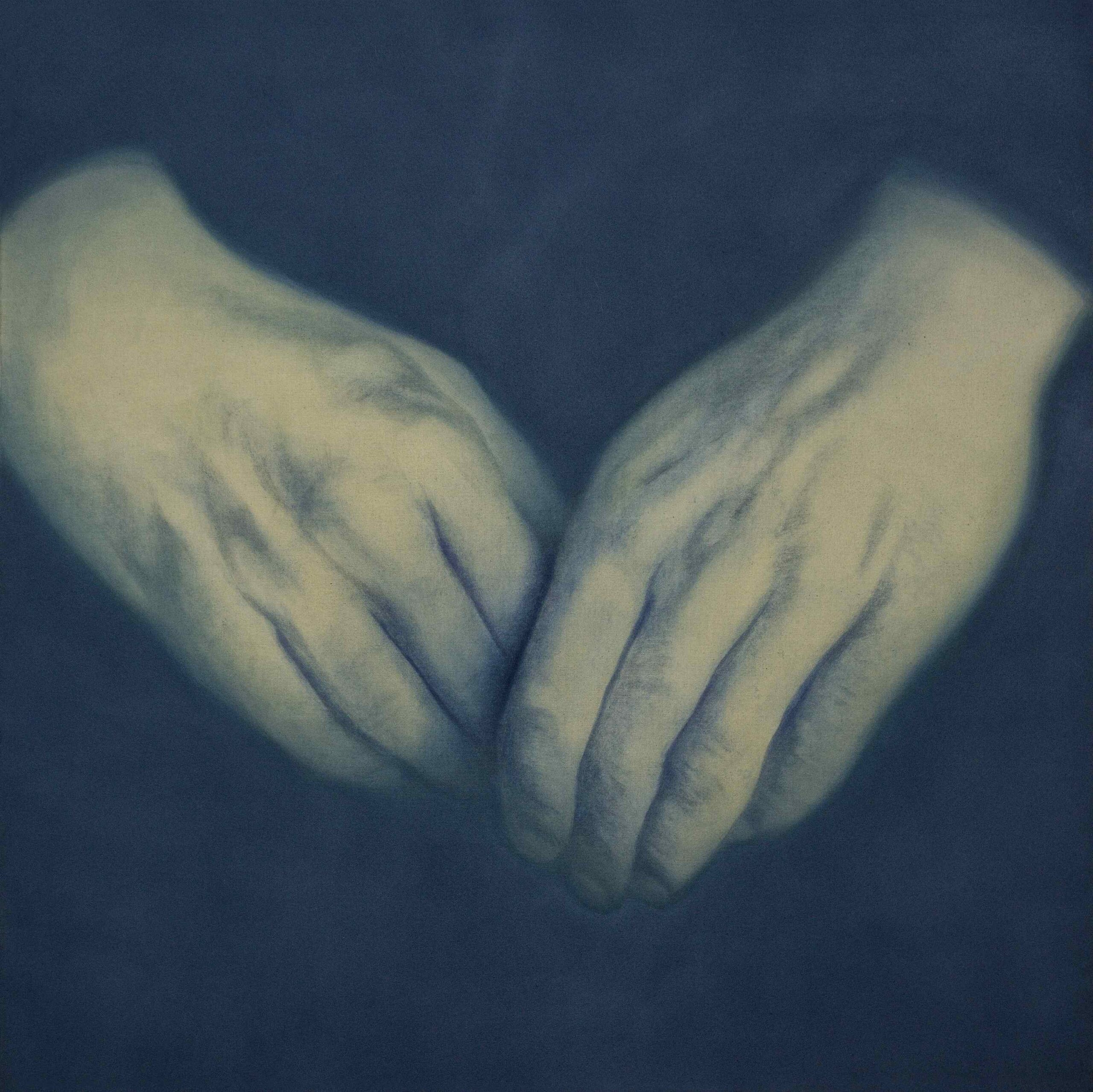
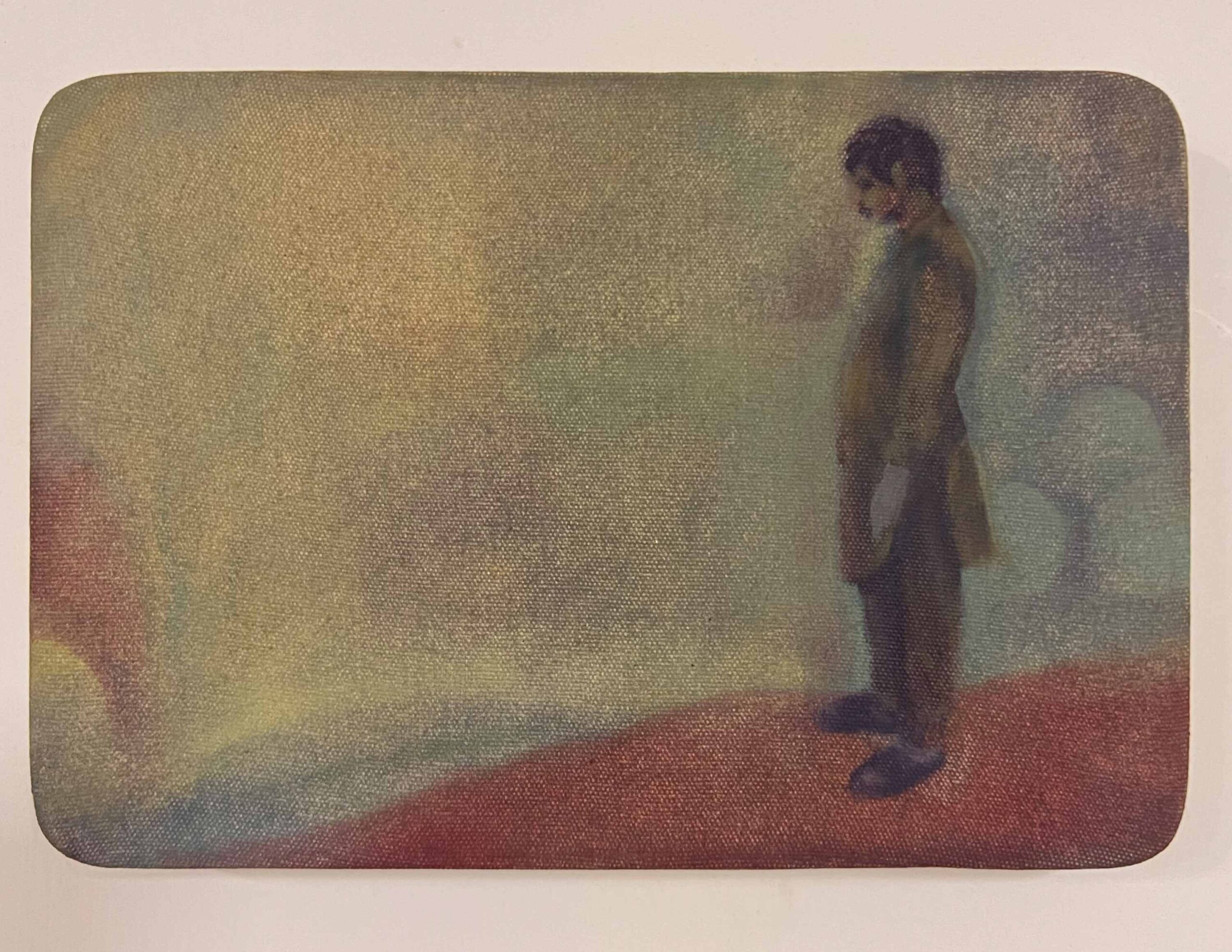
Steering clear of any crude realism, Inaam Zafar has painted stills from local television and cinema. We see people; in banal situations, with spatially anonymous and indifferent backgrounds. There is tangible fatigue, melancholy, boredom, monotony and struggle in the people painted.
These paintings operate almost as slides— “captured time”, inciting reflection on memory and experience.
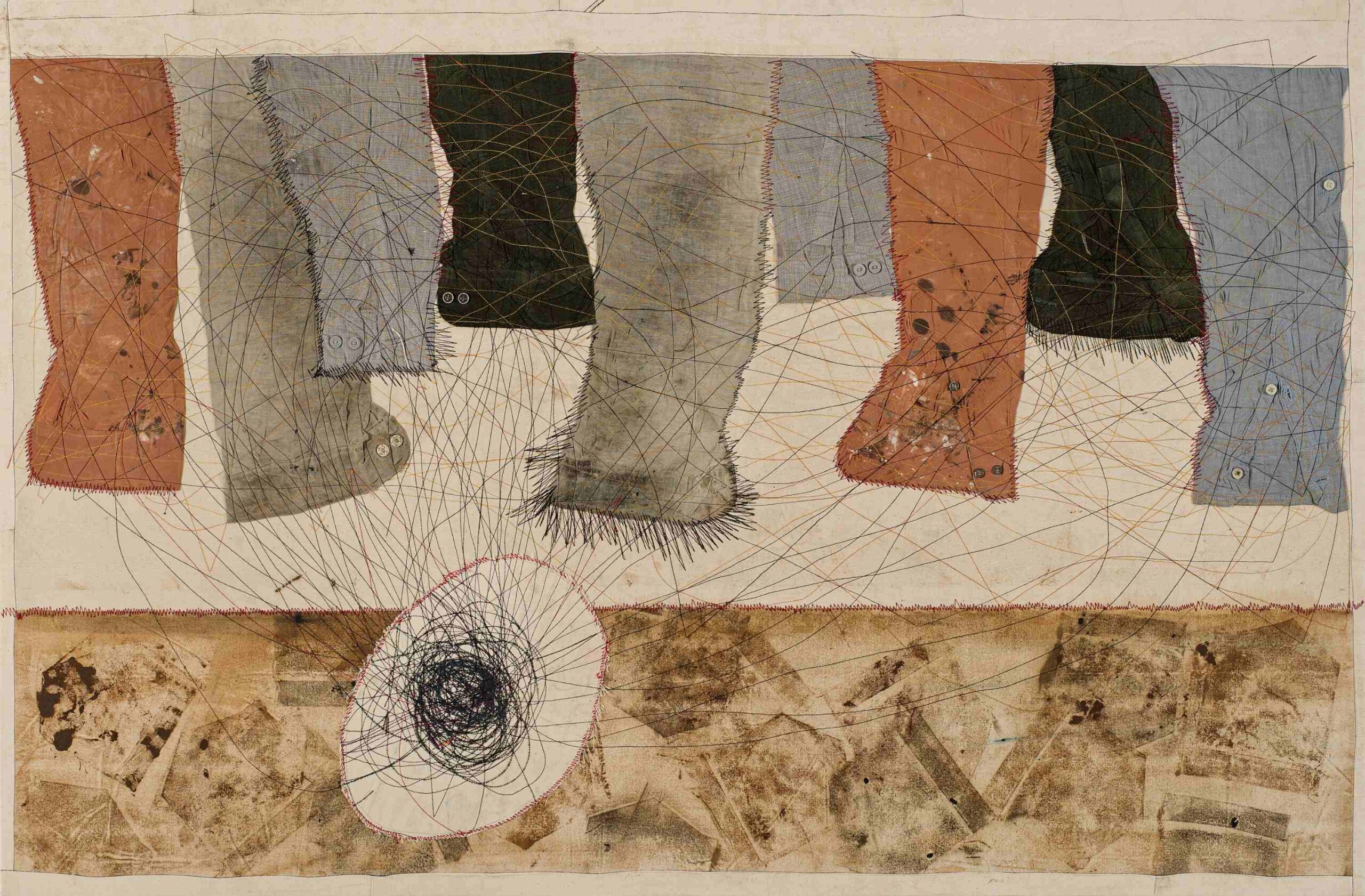
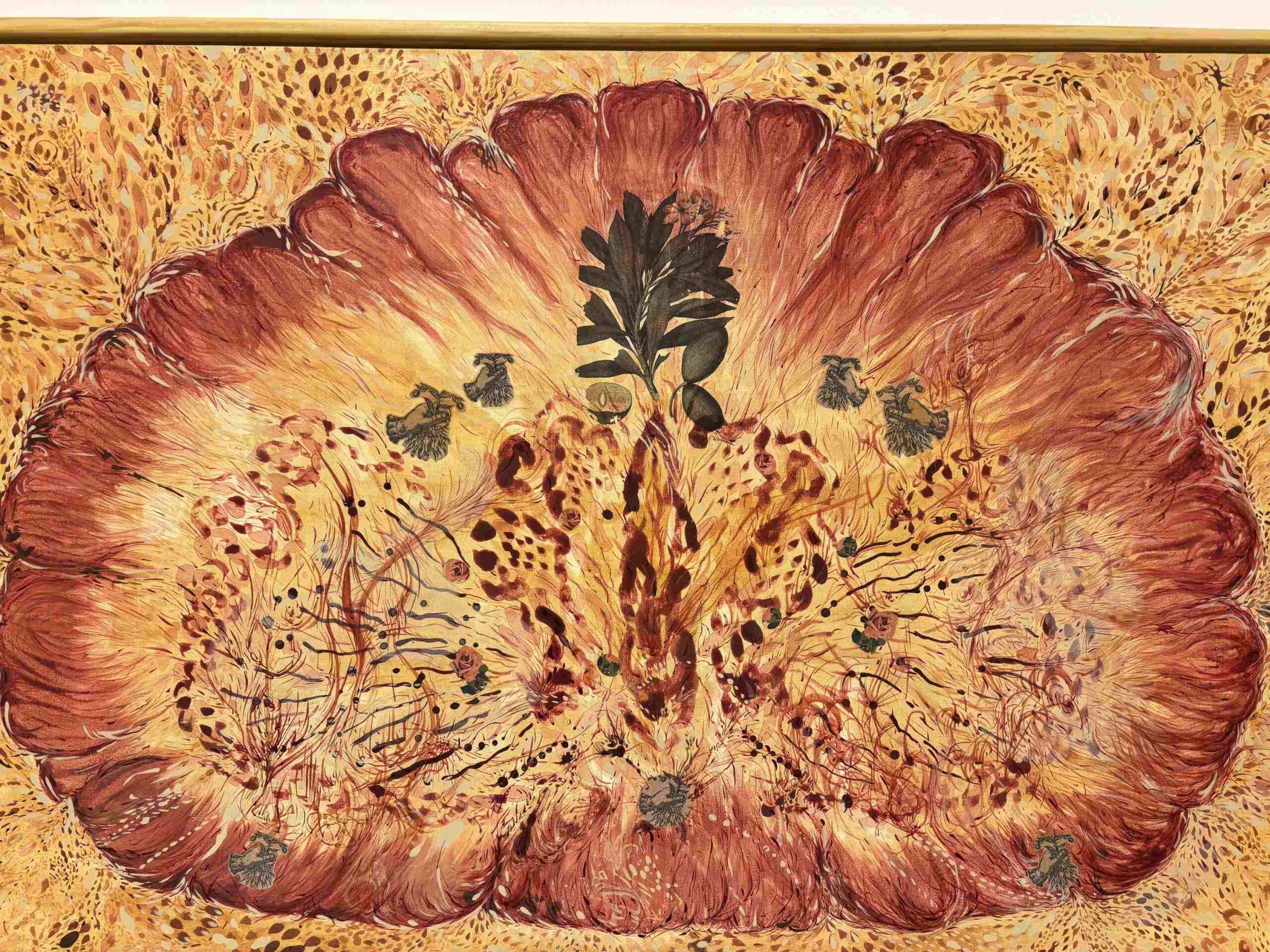
In these works, Inaam Zafar has opened a discourse on the implications of representation itself – with paintings as sites of experience, where the material and the conceptual intertwine. What is the meaning of painting? To an artist, it’s a memory of manipulating paint; pushing it, mixing it, diluting it, wiping it, sculpting it, dragging it, scraping it. It is earth and stone mixed in oil, water or egg yolk. It is smells and fumes. And in this struggle, the artist captures the semblance of something. But this act of painting transcends the mere application of paint; it is a complex interplay of emotions, perception and materiality. As you follow the brush strokes, you follow the painter’s movements. Sometimes one-directional, going down like rain, sometimes flowing freely, saturated in water, lending an unreal and immaterial transparency to the paint. There are unexpected discoveries in this process, difficult to understand by someone who gives up “looking” too soon.
We are disoriented as we move closer and the suggestion of a face or a hand disappears in marks of color, and Zafar’s attachment to the figures painted becomes secondary. It is an unpredictable confrontation. The transparent whites, and the blues borrowed from peach black become glints and tangles. We can’t understand what was layered first and what came after.
The painter struggles endlessly, not to merely reproduce existing forms, but to feel the raw material of paint, full of life, thought and its own language. As James Elkins writes, “It is the paint that is so absorbing, so deeply attractive, that a life spent in the studio can be a bearable life”.