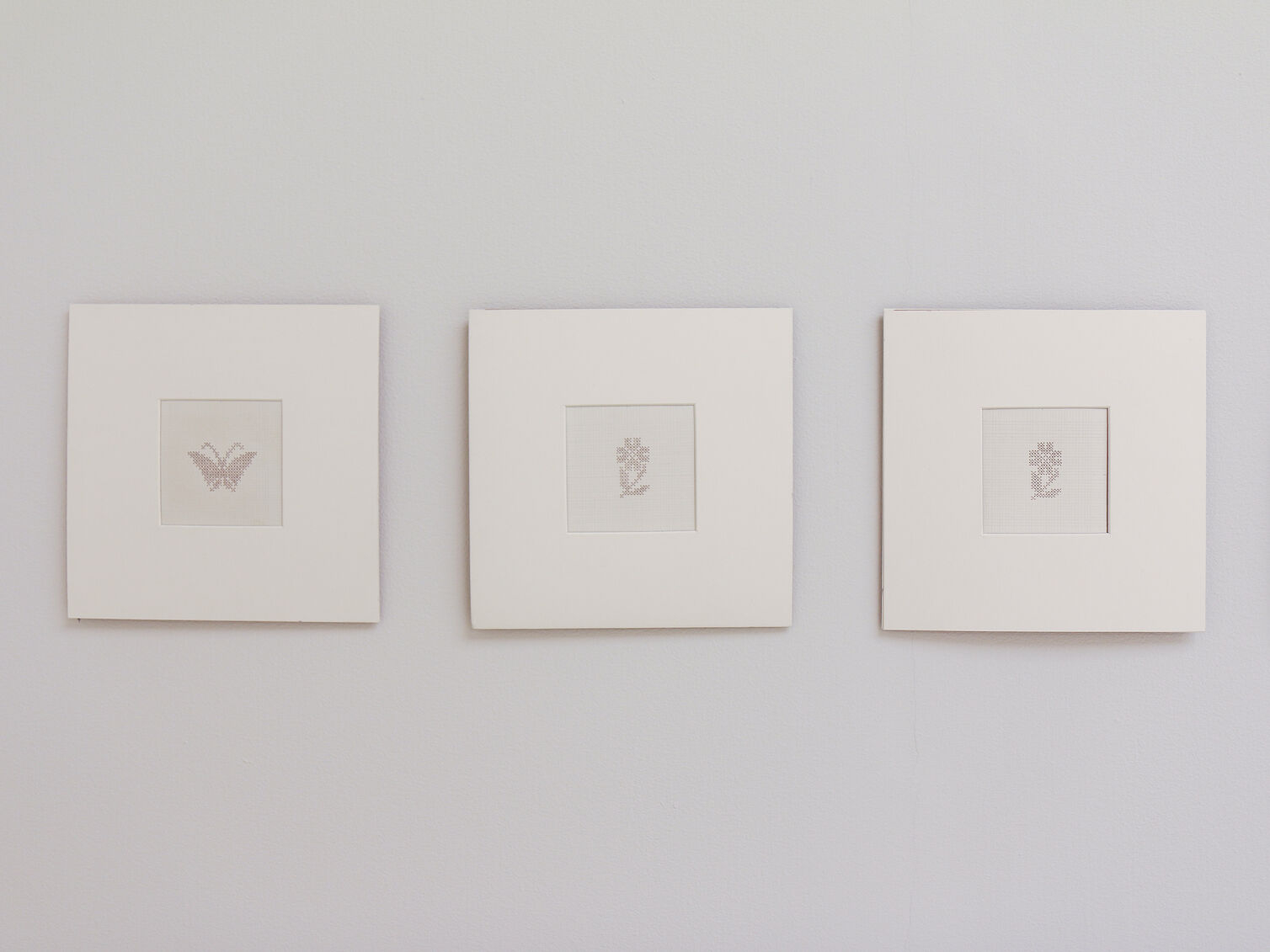
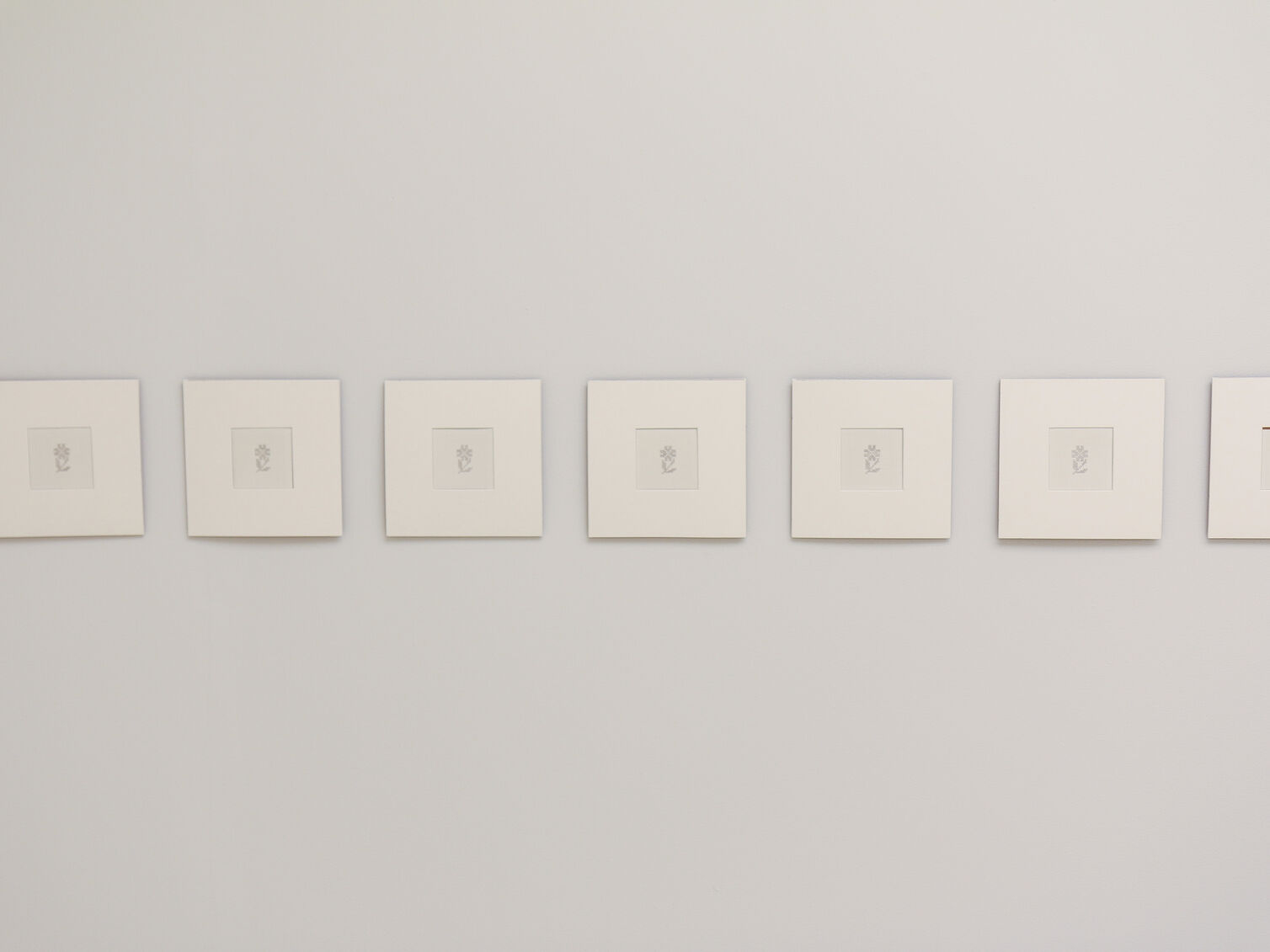
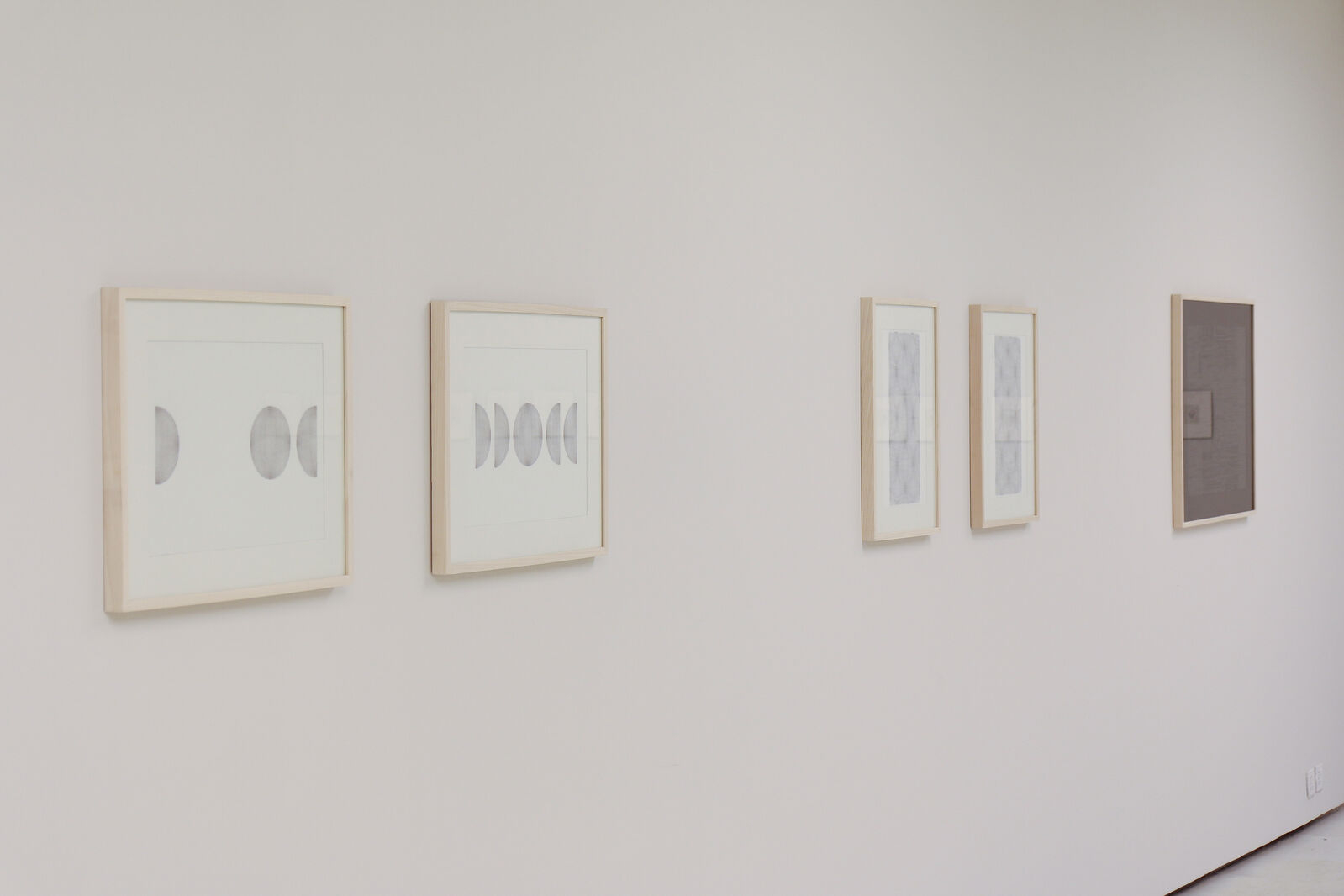
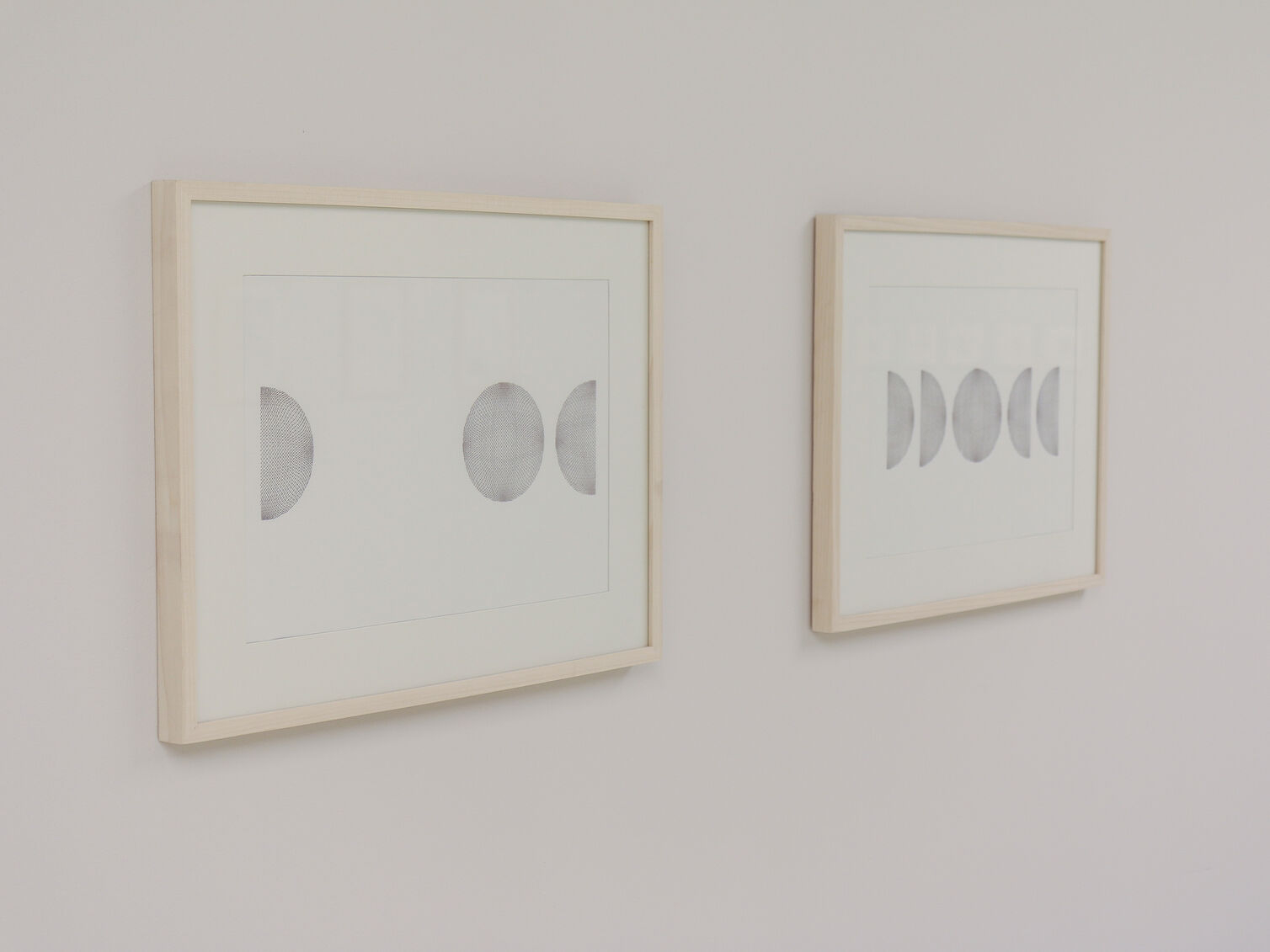
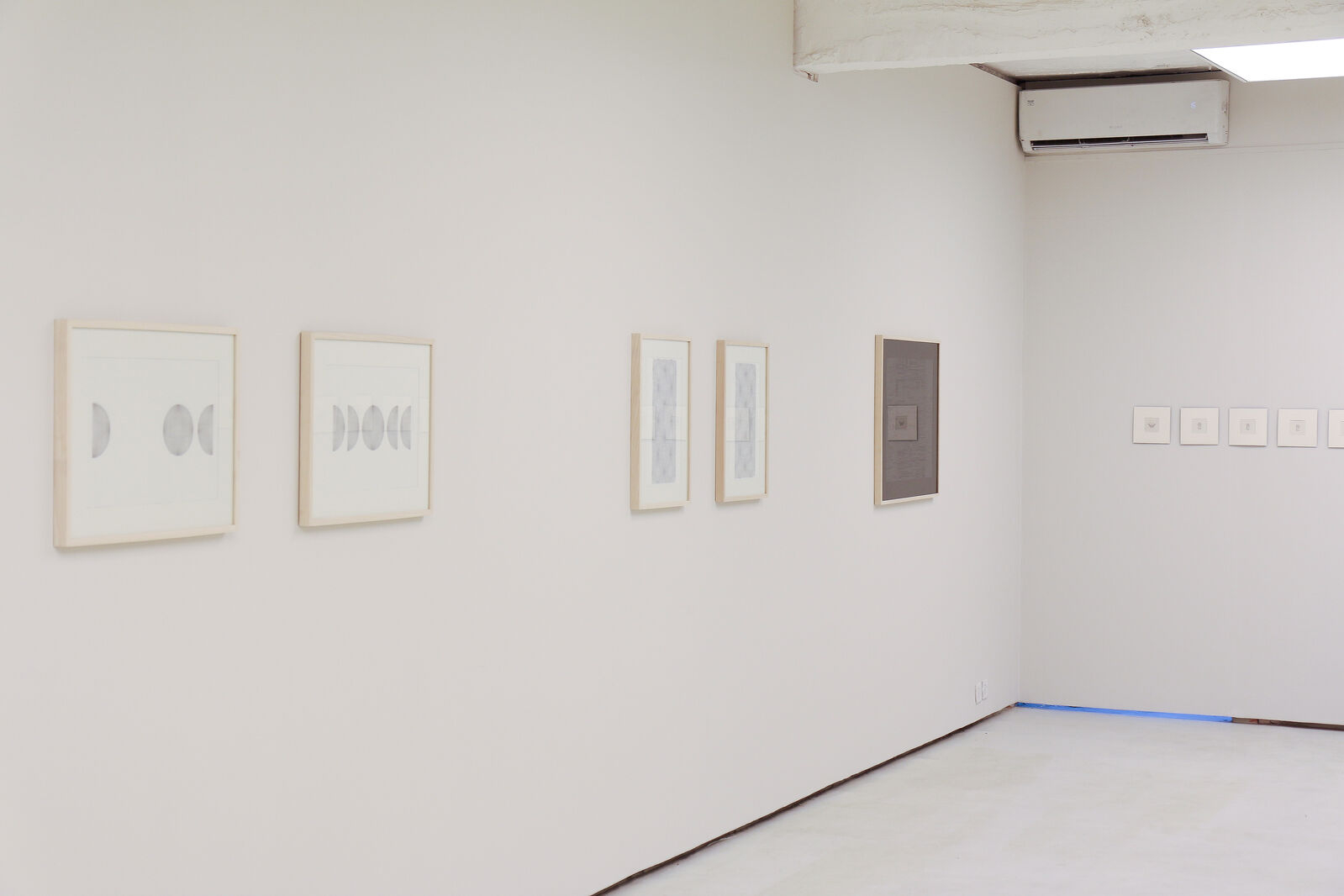
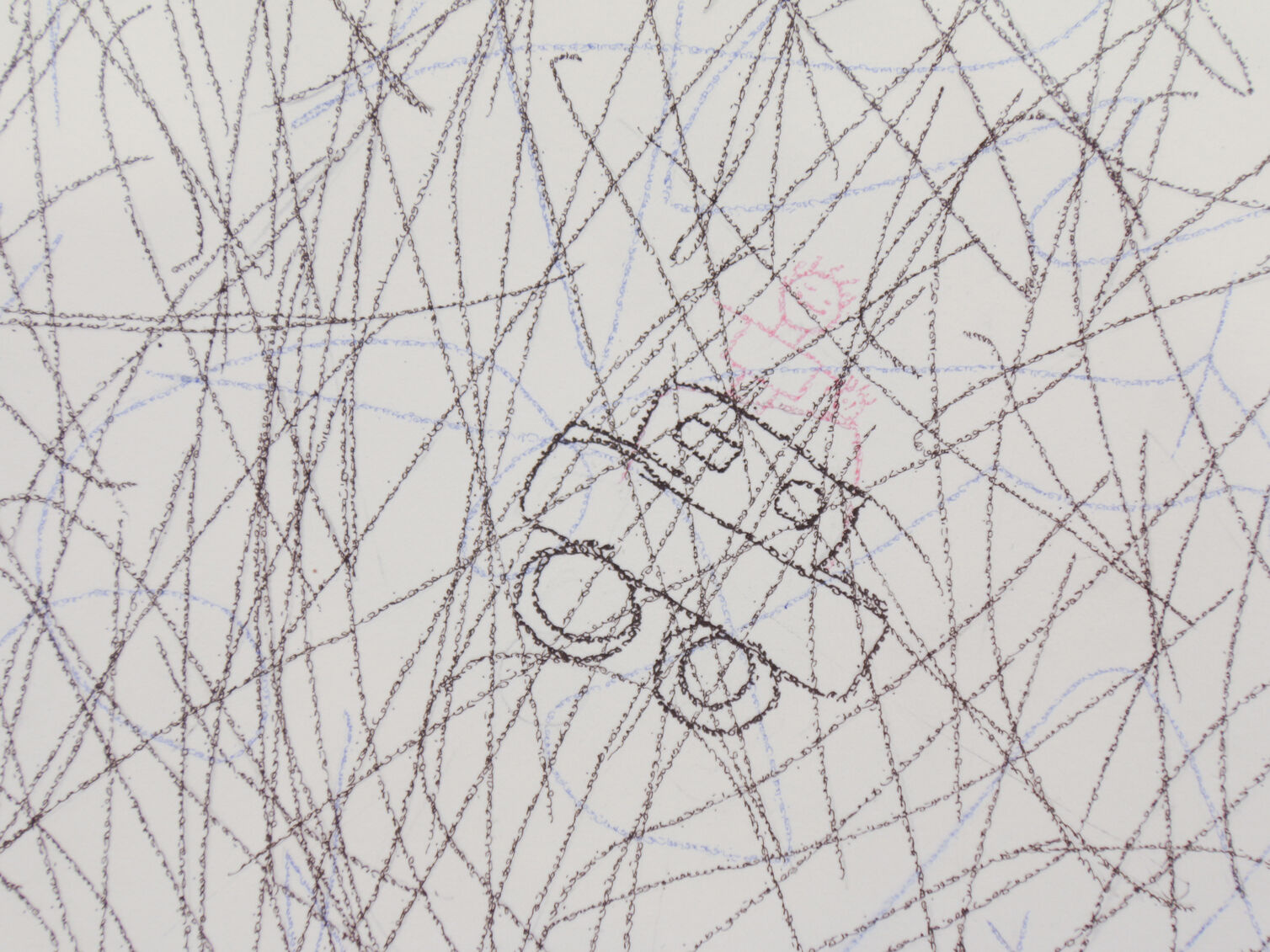
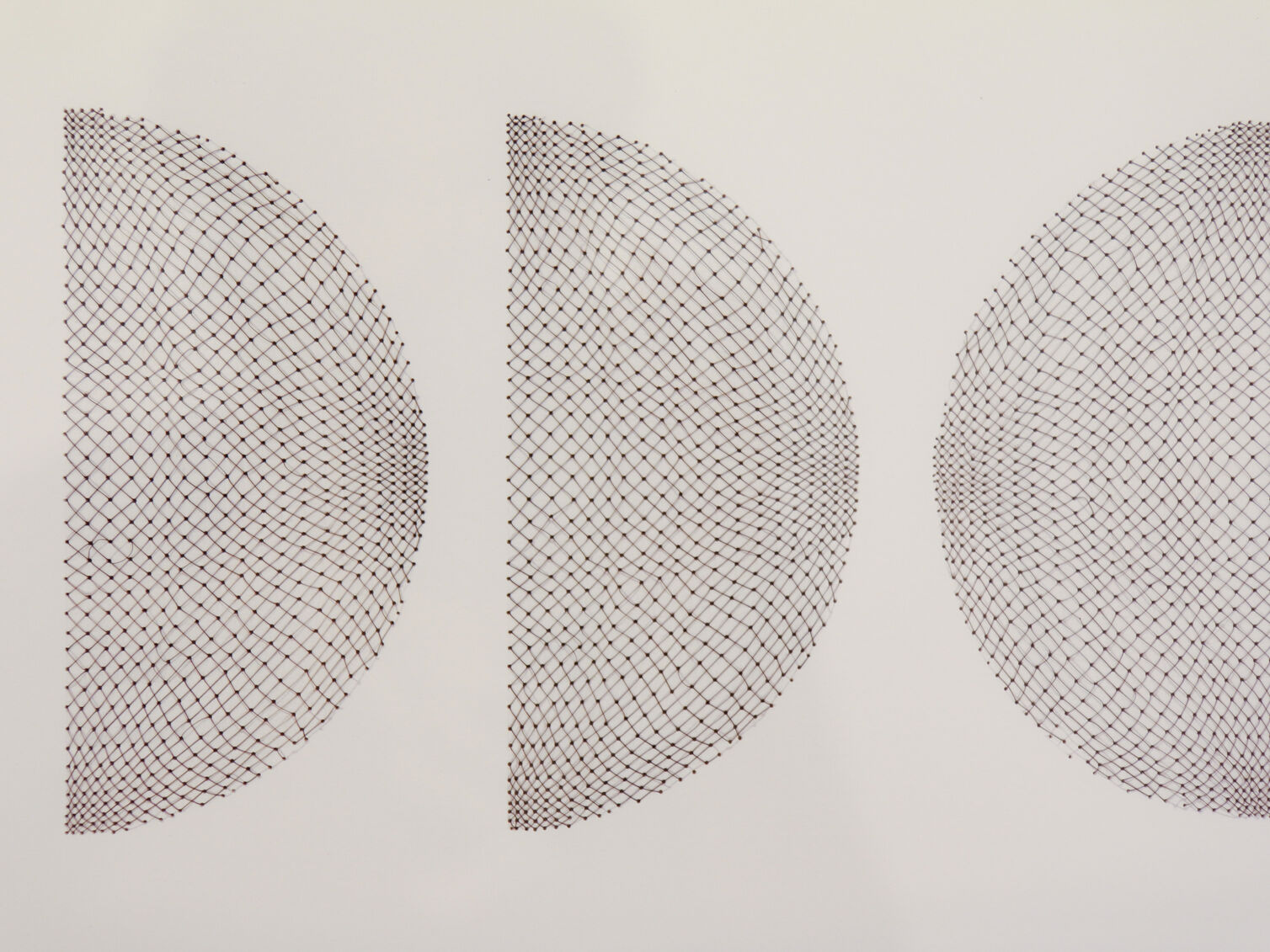
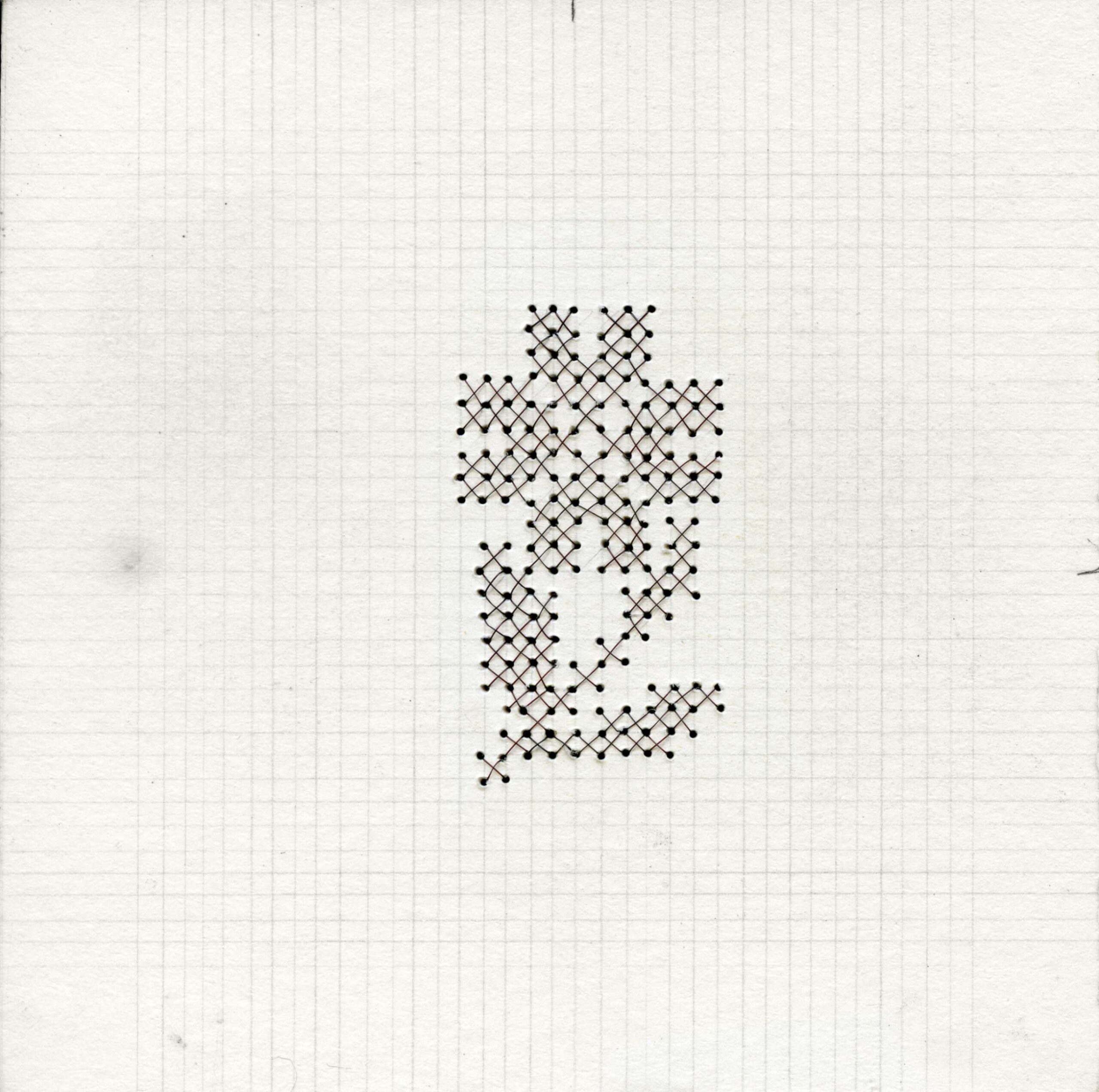
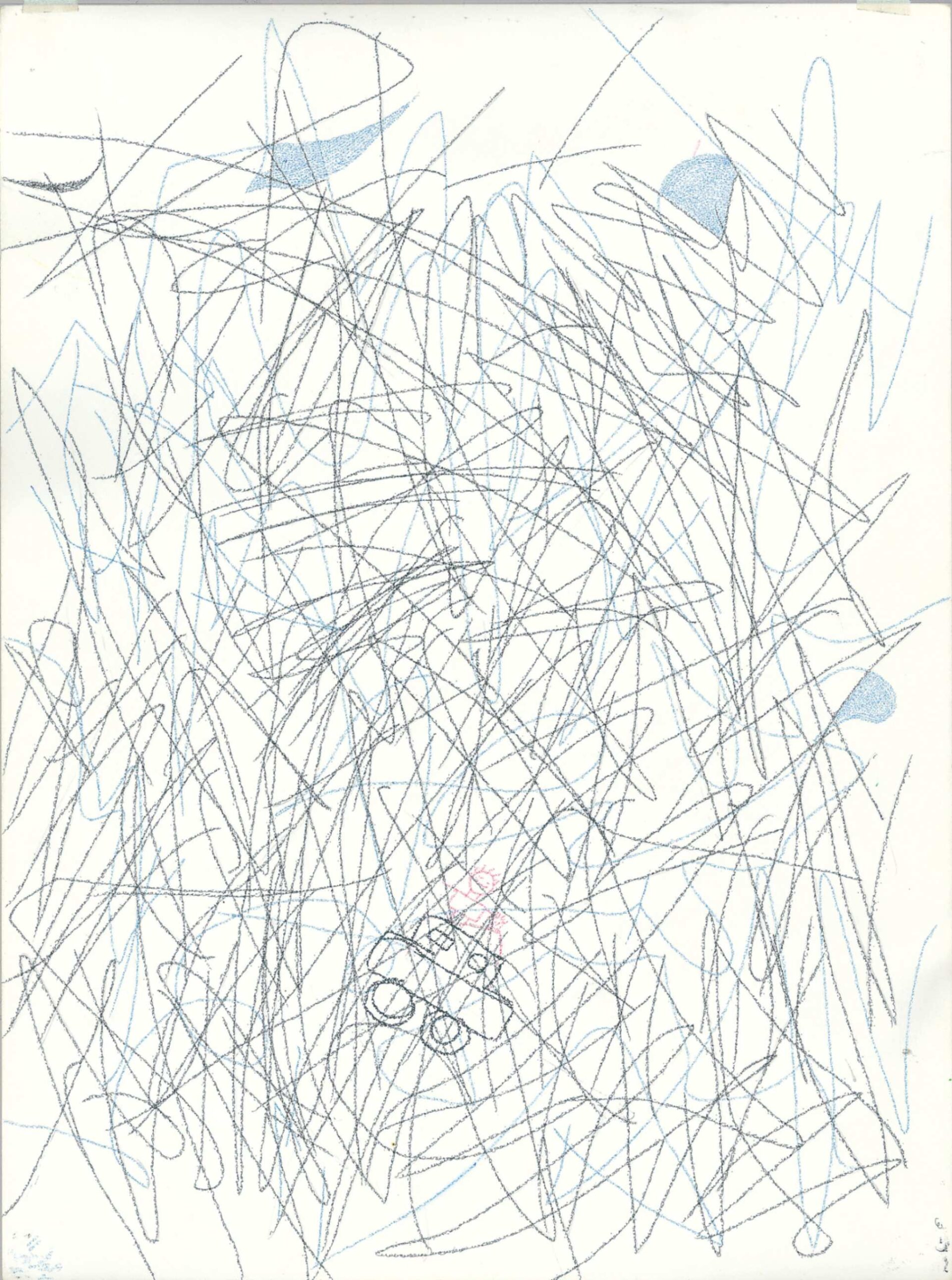
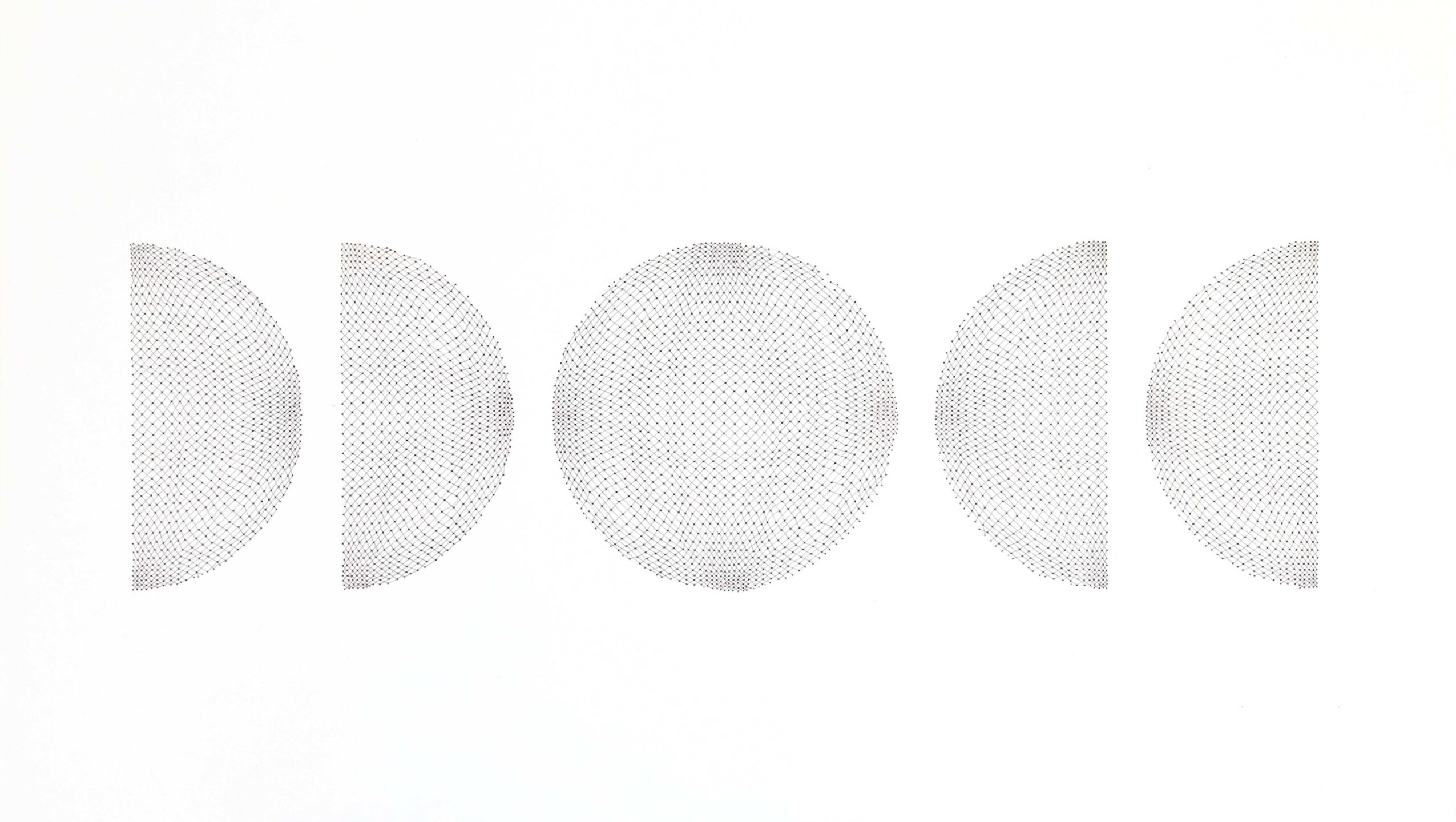
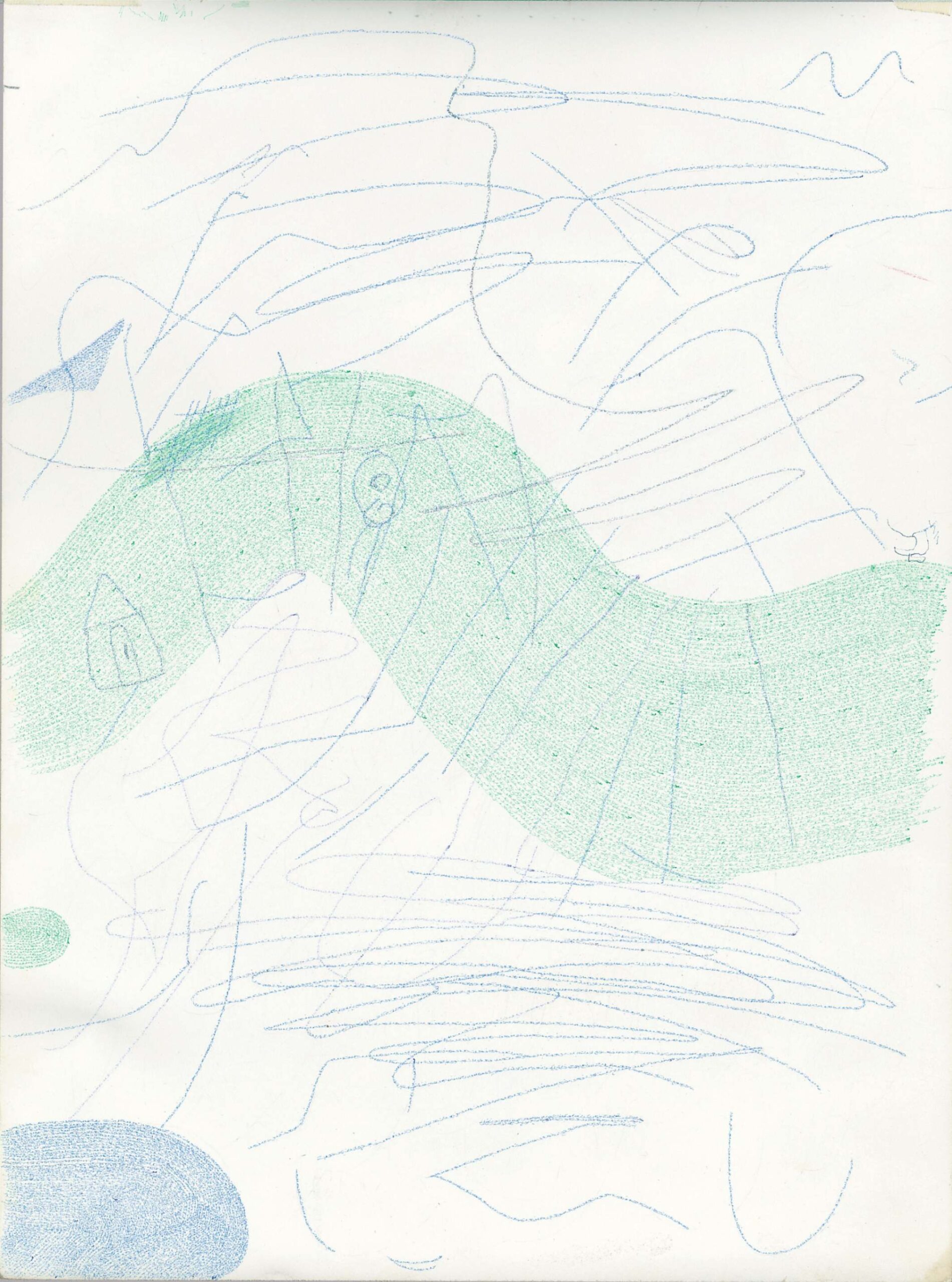
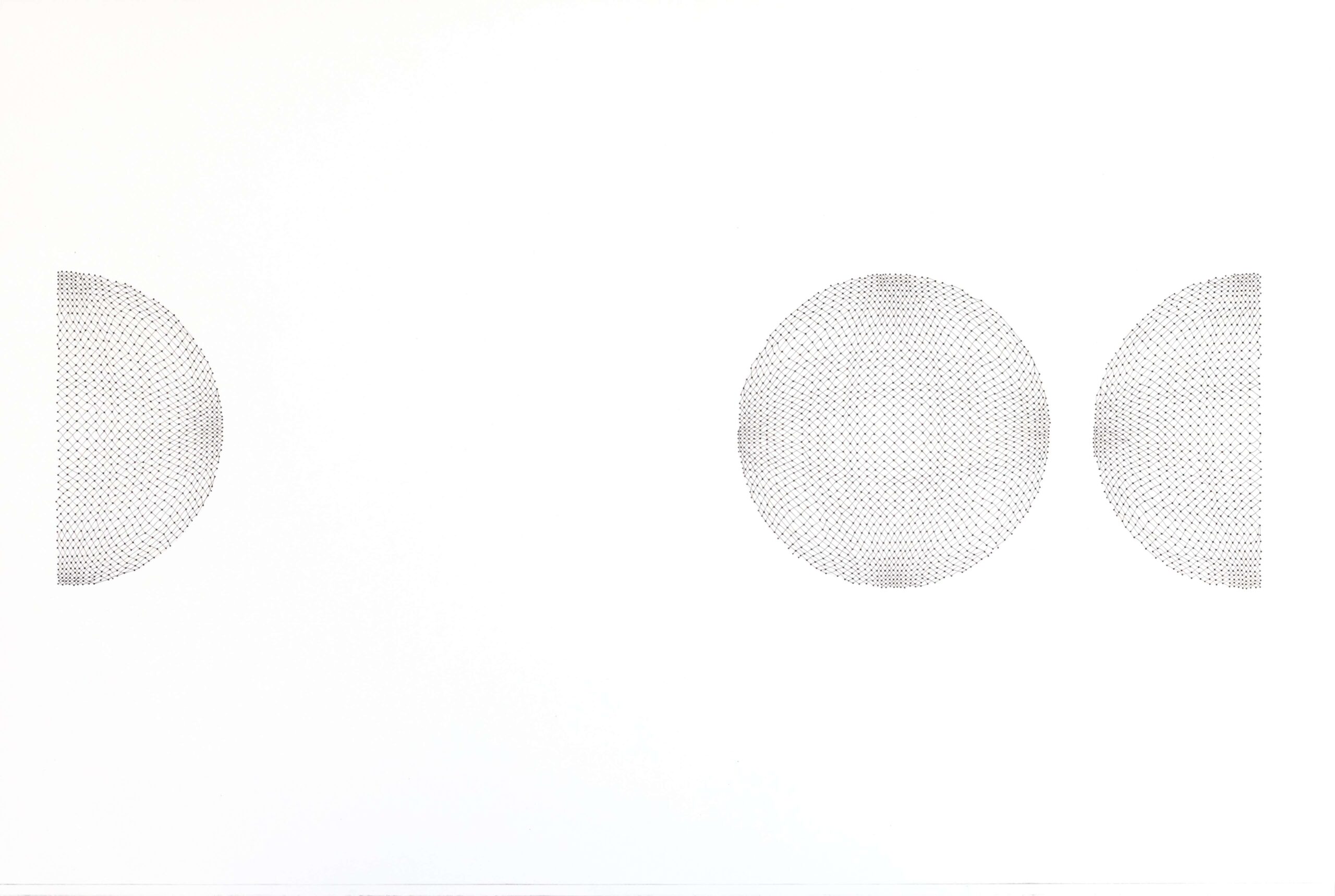
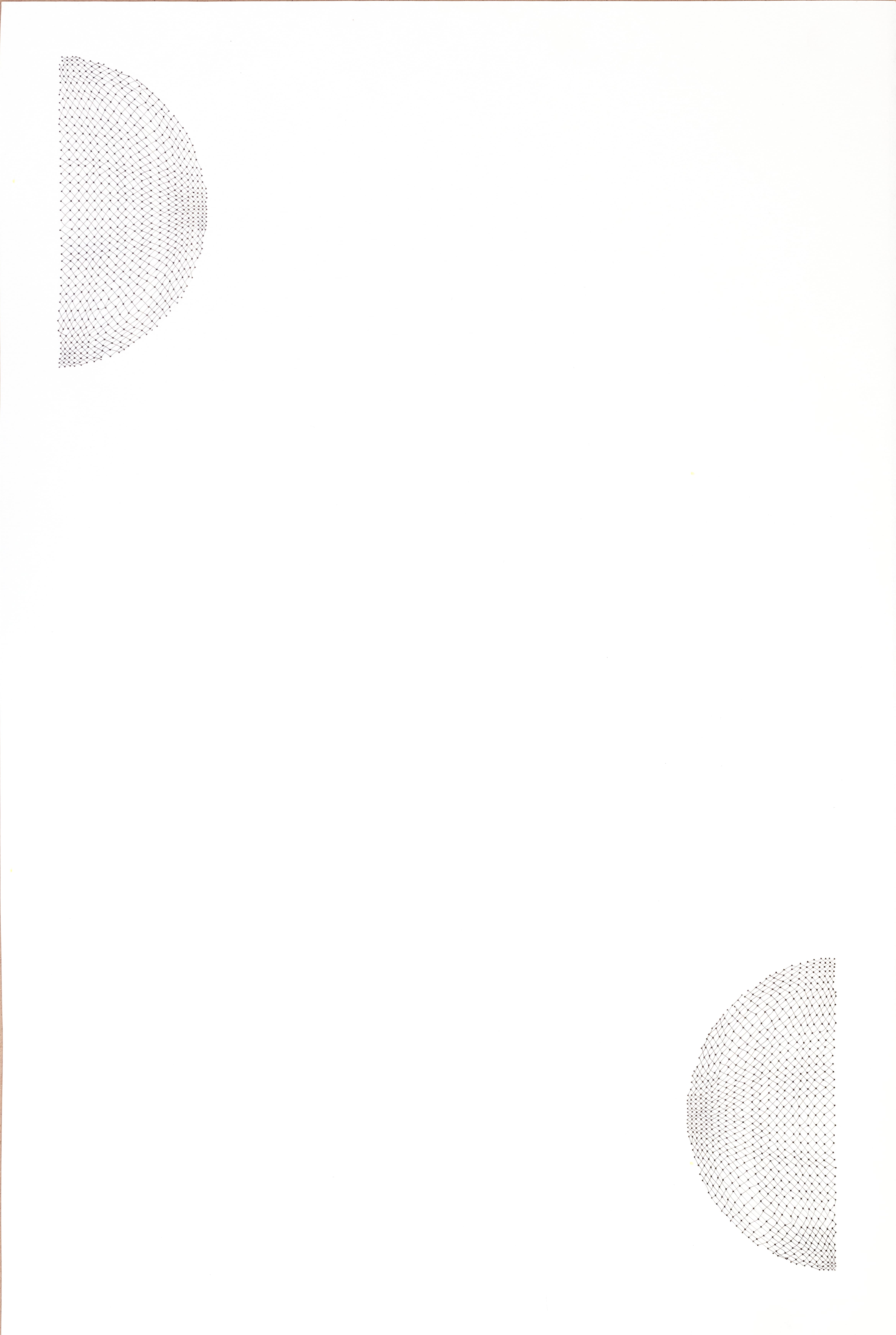
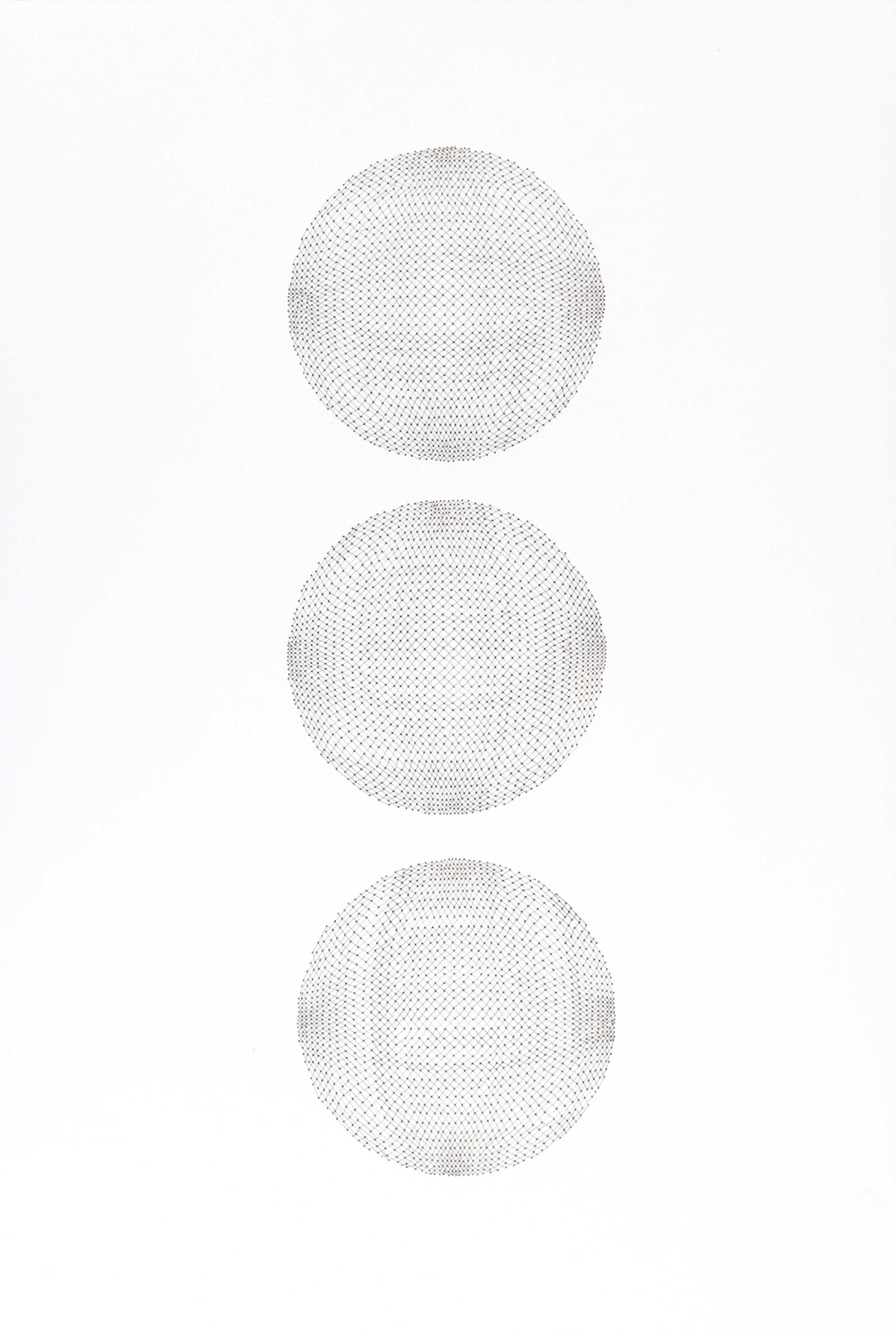
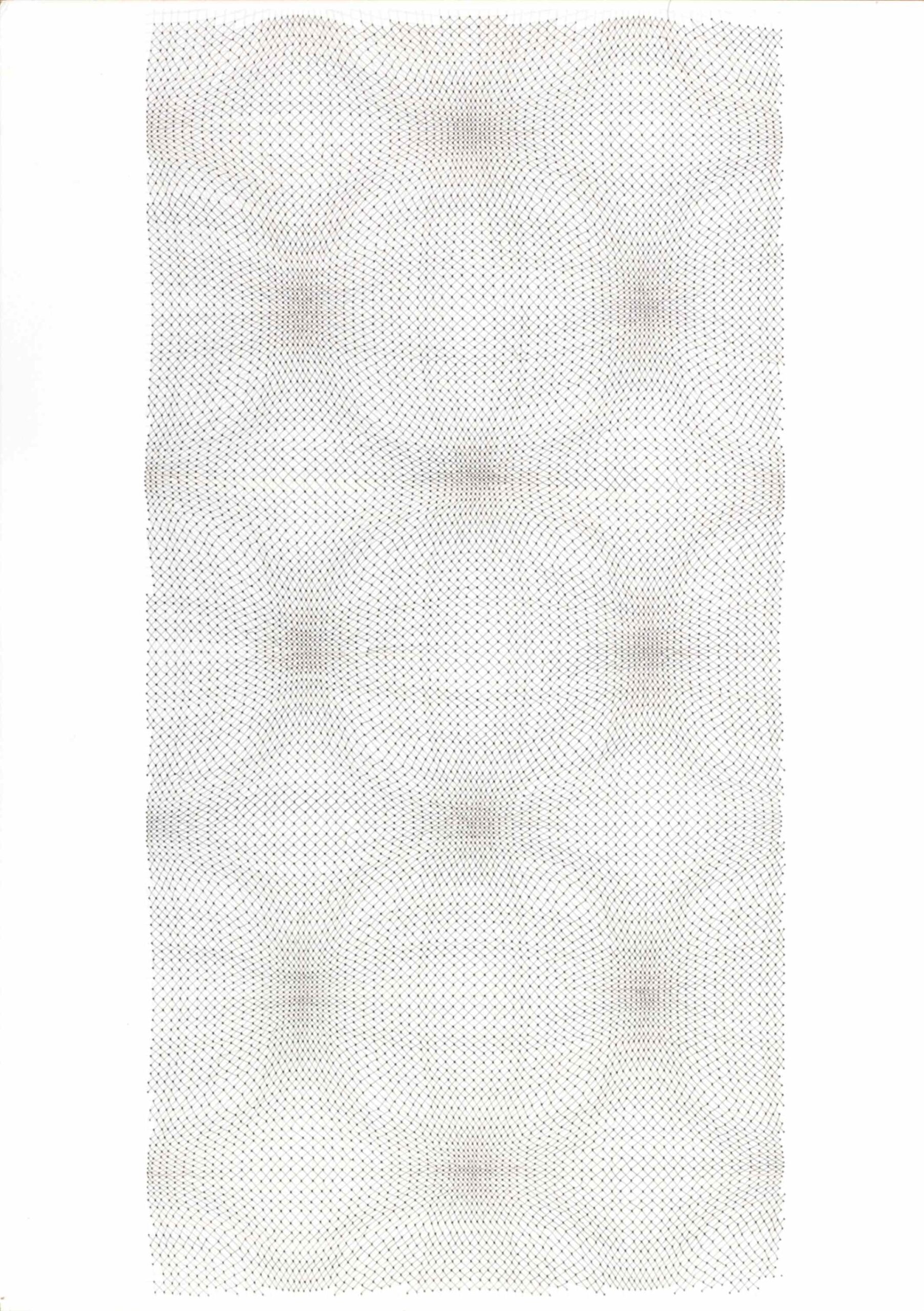
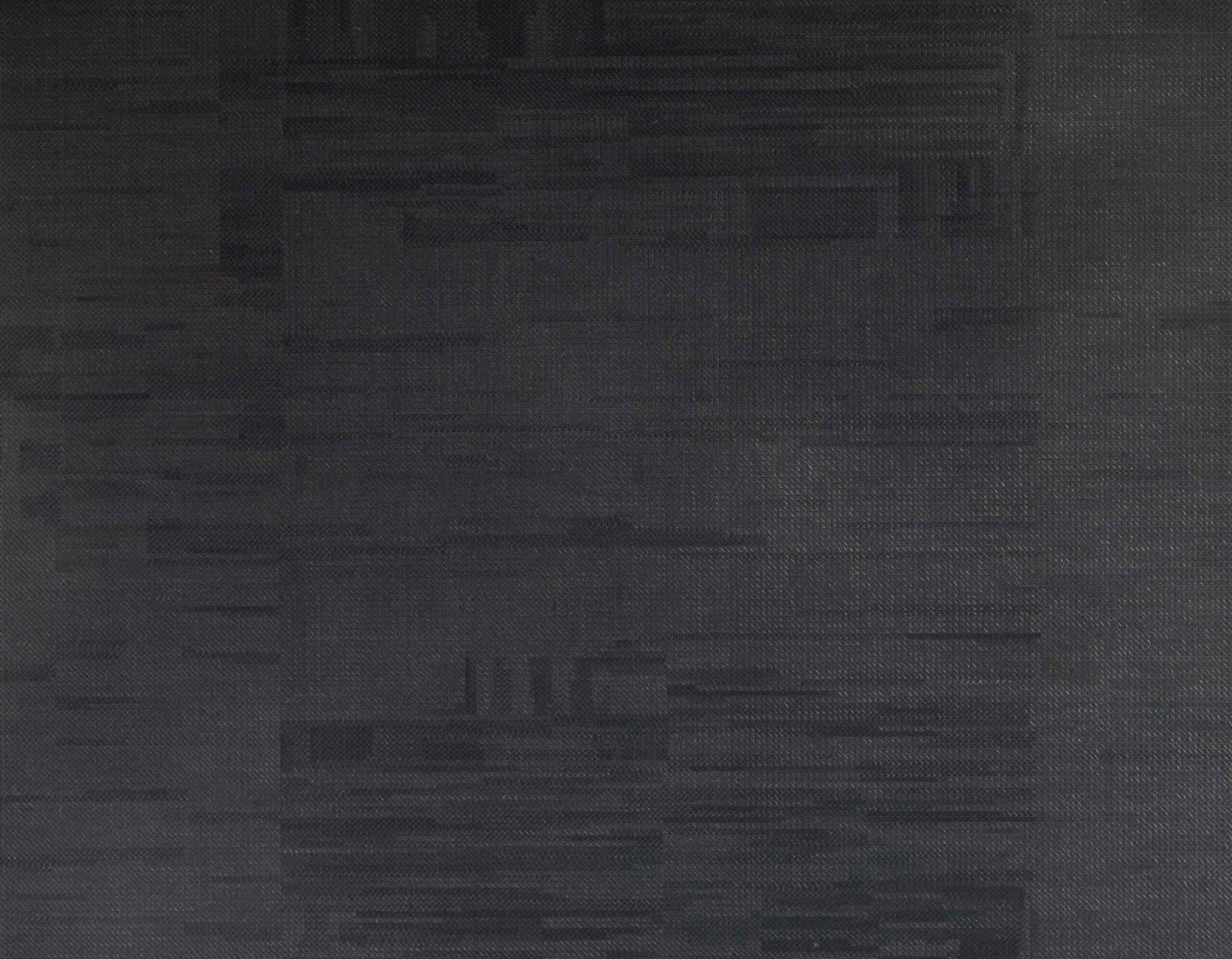
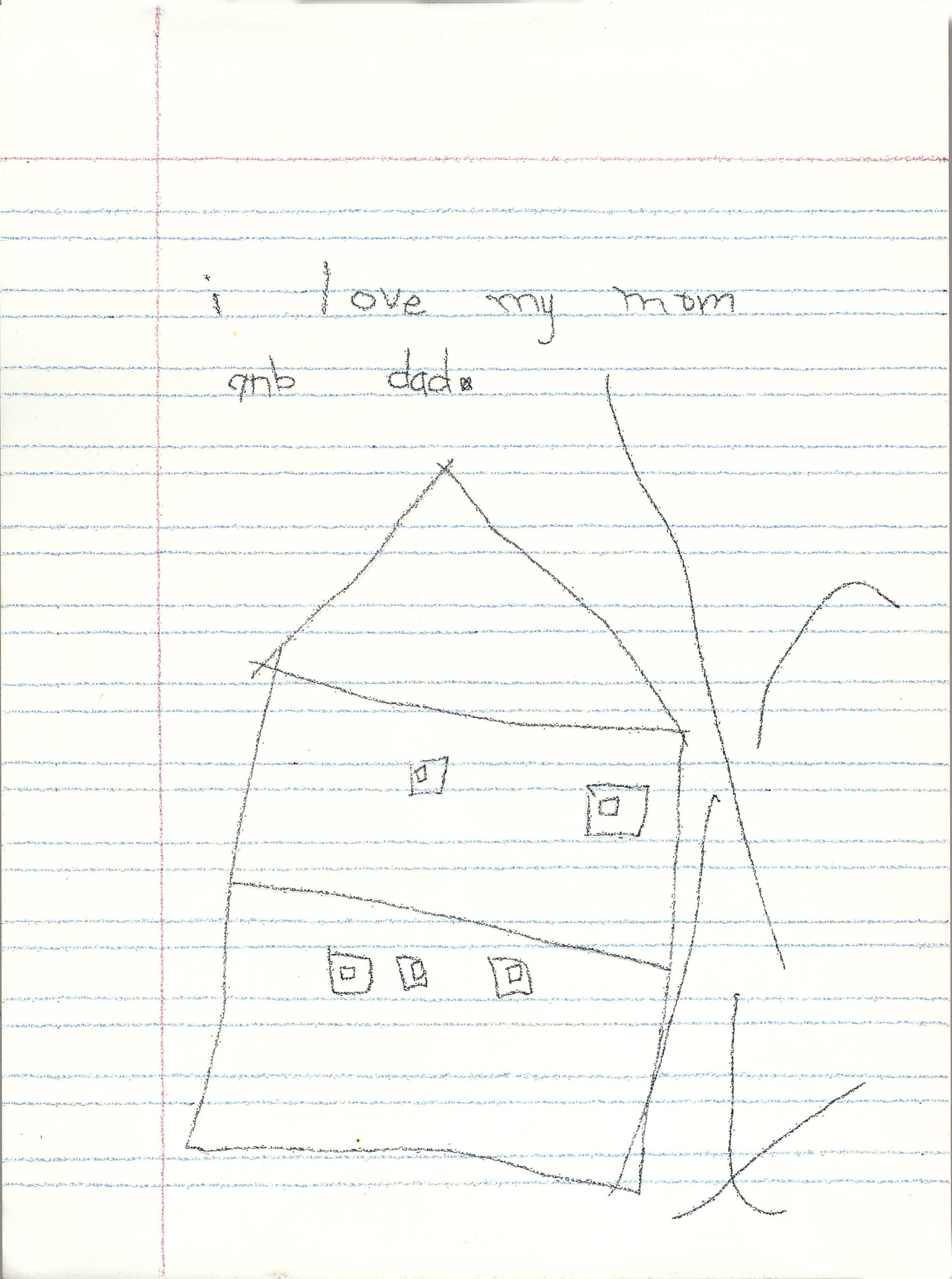
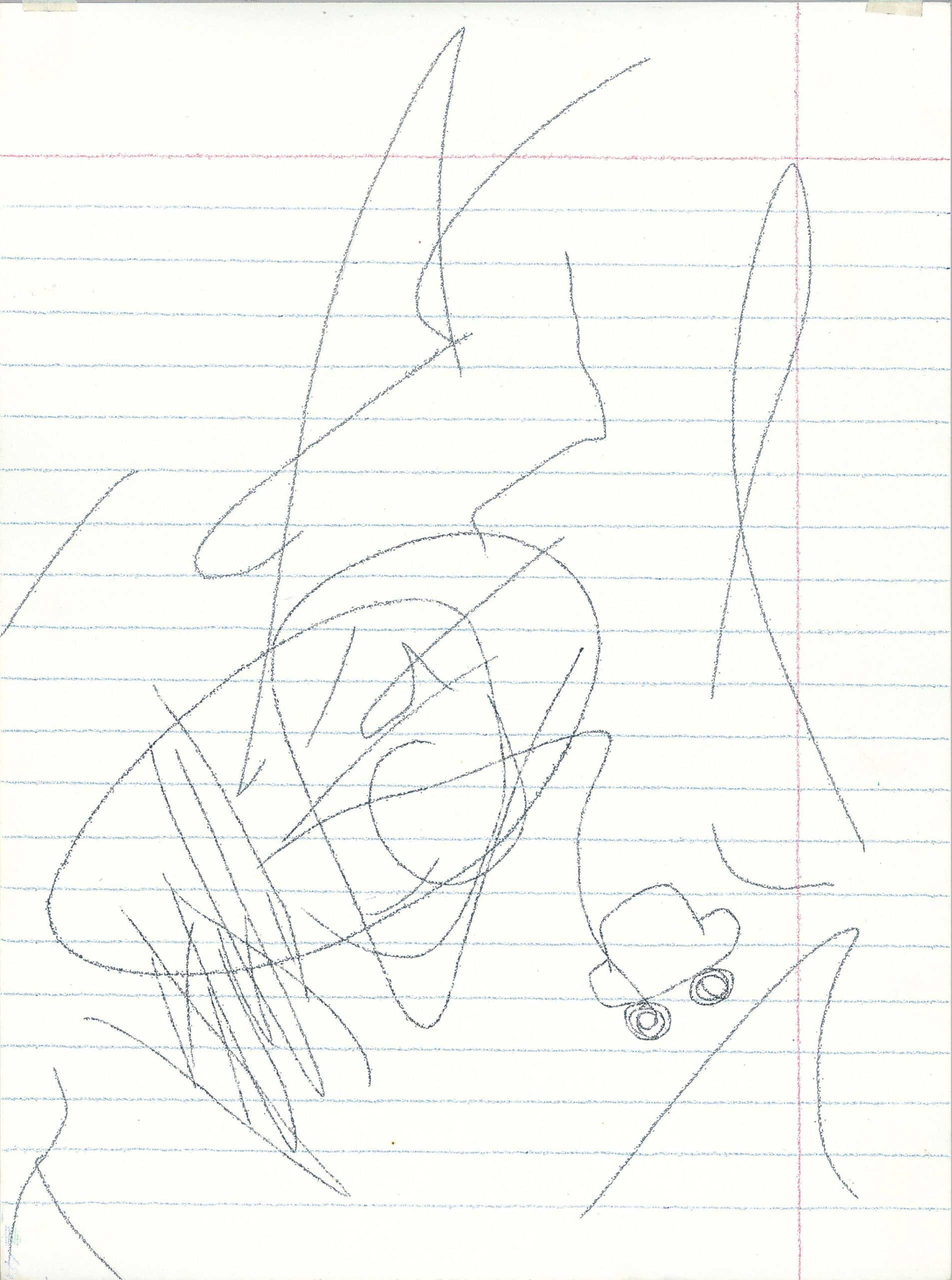
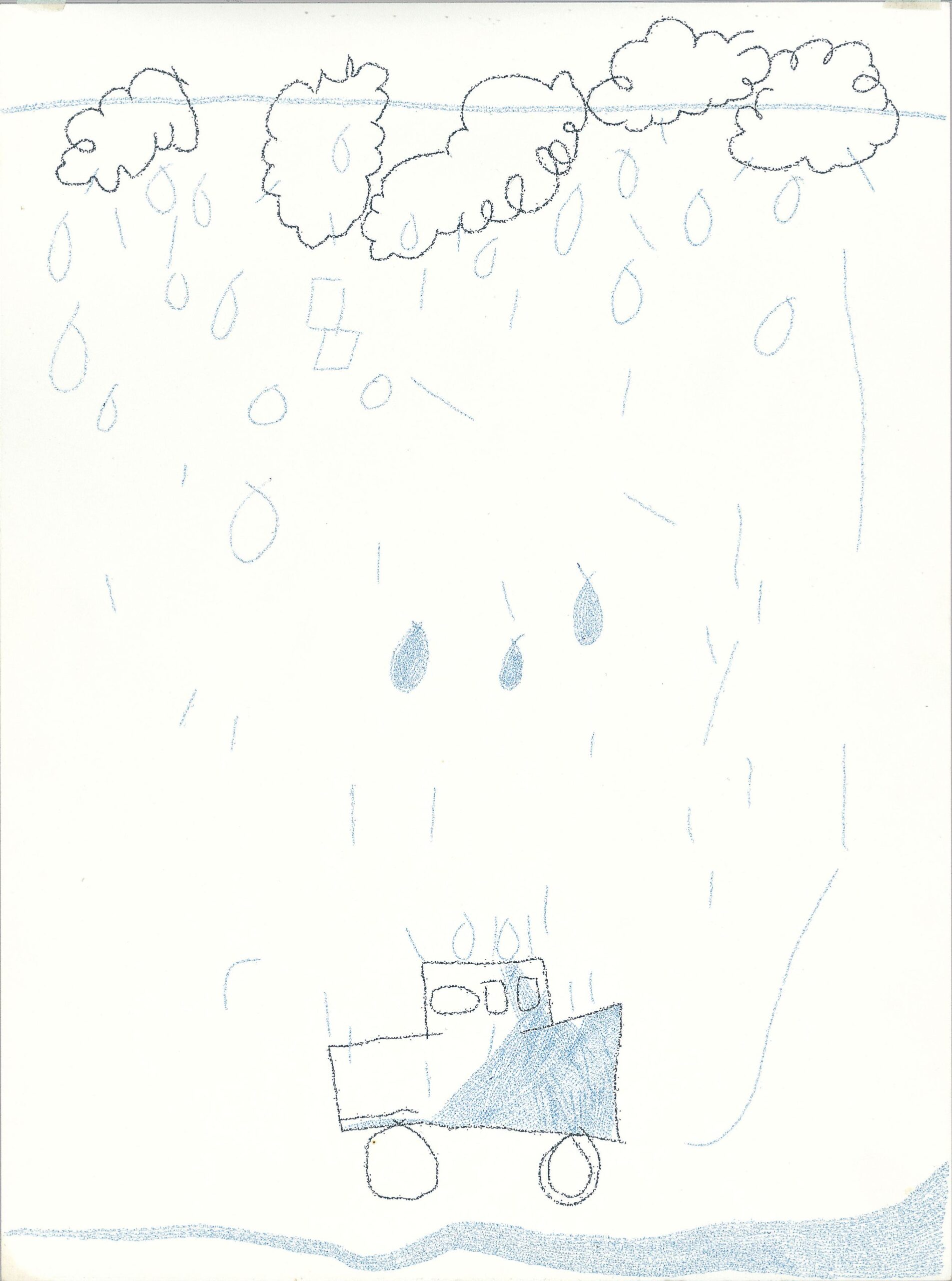
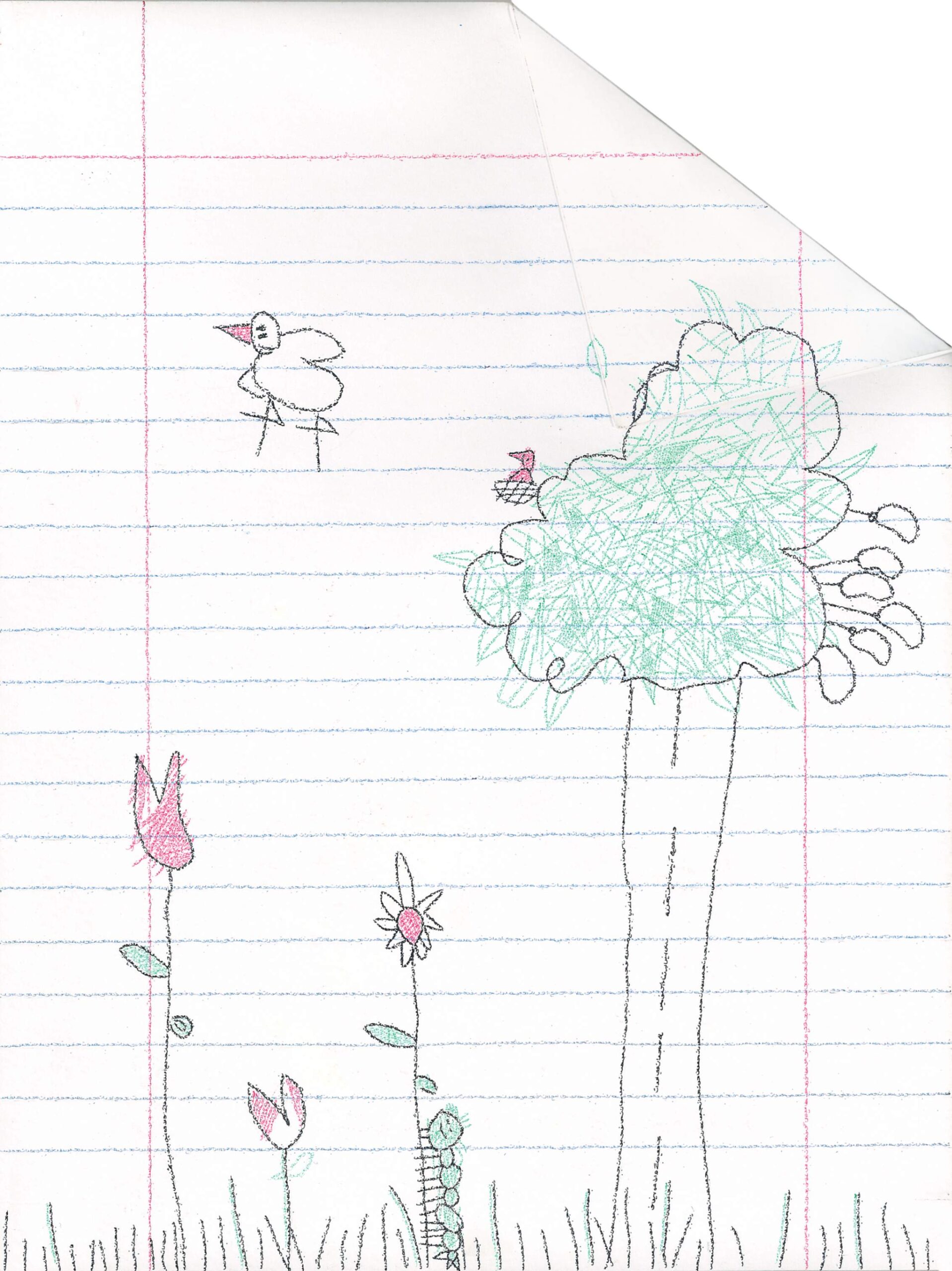
Drawing is a deceptively complex word. Most people drew in childhood, though often so subconsciously that it needs its own special term: doodling. Must mark-making be planned and controlled, or can a drawing be made with arbitrary marks achieved randomly through chance. Or if there’s no applied medium, such as ink or watercolour, graphite, charcoal or pastel, and the work is created using paper by piercing holes, folding, tearing or burning or, for that matter, stitching, can this still be called a drawing?
Sana Zaidi and Rehana Mangi challenge the complex interplay of cognitive, somatic and material conventions that define drawing today. They consider the tensions that exist in drawing between blankness and trace, its multifaceted identity and fundamentally relational character, and reflect on how drawing responds to the temporalities that structure our everyday life. It used to be commonplace to consider drawing as a daily practice. In everyday life, we afford drawing a place in the continuum of activities that go almost unnoticed, from telephone scribbles to the ubiquitous children’s drawings so often brought up as the paradigm of accidental meaning.